









































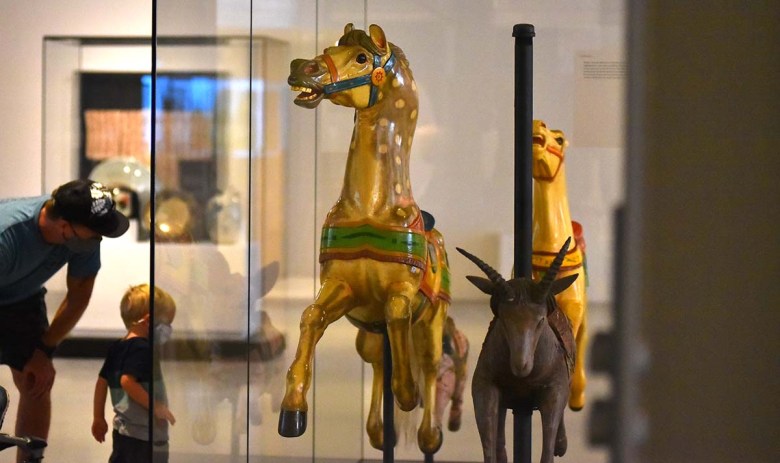
The Prebys Foundation has launched an initiative named “Healing Through the Arts and Nature,” distributing $5.2 million in grants to 59 nonprofits throughout San Diego. This effort aims to enhance mental health and well-being by integrating art and nature into therapeutic practices. Alongside this initiative, a new service called Art Pharmacy has commenced operations in the region, connecting individuals with local arts and cultural engagements to support their health.
Growing Recognition of Art Therapy
Art therapy has gained traction as a valuable tool for improving emotional well-being. According to Rady Children’s Hospital in San Diego, “Art therapy is a form of expressive therapy that uses art-making and creativity to increase emotional well-being.” This approach is rooted in the belief that the creative process can be both healing and life-enhancing for individuals facing various mental health challenges.
The historical context of art therapy can be illustrated through the life of the renowned painter Vincent van Gogh. In 1889, during a period of severe mental health struggles, Van Gogh voluntarily admitted himself to the Saint Paul-de-Mausole asylum in France. Remarkably, this time of personal turmoil became one of the most productive phases of his artistic career. Within just 70 days, he completed over 75 paintings and more than 100 sketches, capturing the beauty of the surrounding landscape.
While the term “art therapy” was not coined until 1942, Van Gogh’s experience at the asylum exemplifies the therapeutic power of art. The medical staff recognized that painting provided him with a sense of calm and an outlet for his emotions, even without a formal understanding of its therapeutic implications. Van Gogh’s own techniques, such as applying paint directly with his fingers, contributed to his healing process. His masterpiece, The Starry Night, was created during this time and remains a testament to the potential of art to facilitate emotional expression.
The Role of Art Therapists
Art therapy has evolved significantly since its early days, now recognized as a professional field that combines artistic creativity with psychological understanding. Art therapists are trained mental health professionals who utilize various materials—including paint, clay, and even natural elements like twigs and leaves—to help clients articulate feelings that may be difficult to express with words. This non-verbal approach often leads individuals to discover deep metaphors and insights that foster personal growth and healing.
Importantly, art therapy does not require artistic skill or prior experience. People from diverse backgrounds can engage in this therapeutic process, gaining emotional insights and enhancing their well-being. The focus lies in creative expression as a means of accessing and understanding one’s feelings.
John Eger, a professor emeritus in the School of Journalism and Media Studies at San Diego State University, emphasizes the transformative potential of art therapy, noting its growing acceptance in both clinical and community settings. Eger’s extensive background, including roles as a telecommunications advisor to former President Gerald R. Ford and as Senior Vice President of CBS Worldwide Enterprises, lends credibility to his perspective on the significance of integrating arts into health initiatives.
The Prebys Foundation’s initiative, along with the launch of Art Pharmacy, highlights a commitment to enhancing mental health through the arts. As communities in San Diego and the Imperial Valley embrace these innovative programs, the impact of art therapy as a vital component of health and well-being continues to rise.
















