









































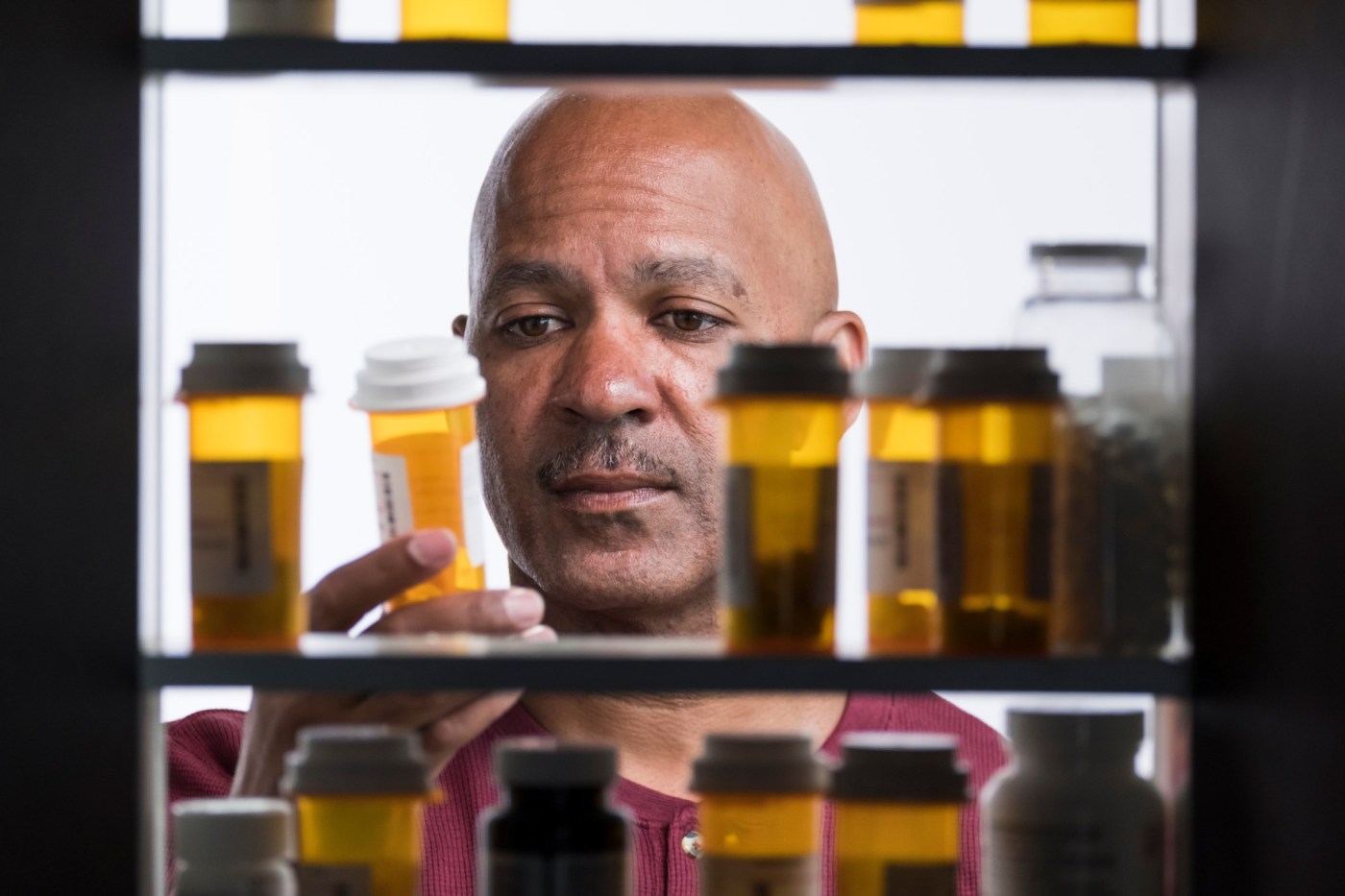
Many households contain a disorganized array of half-used creams, expired medications, and various health products tucked away in bathroom cabinets or forgotten drawers. Organizing and updating your medicine cabinet not only enhances home healthcare but also ensures the safe use of medications. Experts recommend taking stock of your supplies before making any purchases.
Dr. Sarah Nosal, president of the American Academy of Family Physicians, emphasizes the importance of purging unnecessary items. “Rather than stocking our medicine cabinet, we should purge it,” she advises. A thorough inventory begins with emptying the cabinet and sorting contents by expiration date. This process will clarify what items are still useful and what needs to be discarded.
What to Discard and How to Dispose of Medications
Items to remove include expired medications, loose pills, unidentified bottles, and leftover prescriptions. Specifically, unfinished antibiotics should be disposed of carefully, as taking them without medical guidance can lead to ineffective treatment and contribute to antibiotic resistance, according to Nosal.
Proper disposal methods are crucial. Many pharmacies and hospitals offer drug take-back programs, making it easier to discard old medicines responsibly. If such options are unavailable, consult the Food and Drug Administration for a “flush list” to determine which medications can be safely flushed. Most should be mixed with dirt or used coffee grounds, sealed in a plastic bag, and placed in the trash.
Essential Medications to Keep On Hand
After decluttering, consider stocking up on fundamental medications. It’s vital to remember that “over-the-counter” does not imply universal safety. Always consult a healthcare professional, particularly if you are pregnant or taking other prescriptions.
For wound care, a variety of adhesive bandages in different sizes is essential. Instead of hydrogen peroxide or rubbing alcohol, which may irritate the skin, keep petroleum jelly on hand for healing. Tweezers can be useful for removing splinters, while hydrocortisone cream can relieve bug bites and itching.
Pain management can be achieved with two types of medications: acetaminophen (found in Tylenol) and nonsteroidal anti-inflammatory drugs (like Advil and Aleve). Dr. Emily Hill Bowman from Nebraska Medicine suggests having both types available, as they function differently. Consider adding a topical anti-inflammatory, such as diclofenac gel, for joint pain.
Allergy relief is another important consideration. Antihistamines with ingredients like cetirizine and fexofenadine can address seasonal allergies and reactions from insect bites or pet dander. Bowman recommends looking into intranasal steroid sprays for nasal congestion but advises caution with popular options like Benadryl, which may pose cognitive health risks.
For digestive issues, maintaining hydration through coffee and water, alongside fiber-rich foods, is beneficial. Having a laxative for short-term relief or an antacid on hand for heartburn is also wise.
Cold and flu preparedness includes having a digital thermometer and the aforementioned pain relievers. Cough drops and saline nasal sprays are useful, as over-the-counter cough medicines often lack evidence for effectiveness. Instead of taking multi-symptom medications, focus on addressing specific symptoms directly, as Cantrell notes, “You don’t want to be hunting for mice with a shotgun.”
Parents should ensure child-appropriate formulations are available, adjusting doses according to their children’s age and weight.
Storing Your Medications Safely
Storing medications correctly is as crucial as having the right ones. Experts recommend keeping medicines in a cool, dry place, such as a dresser drawer or closet shelf, rather than the bathroom, where heat and humidity can degrade them. Medications should remain in their original containers to maintain child safety, protect against moisture, and ensure easy access to important information like dosing instructions and expiration dates.
Lastly, keeping medications secure not only protects privacy but also prevents theft. A well-organized and secure medicine cabinet can minimize last-minute trips to the pharmacy and enhance the overall safety of home healthcare.
By following these expert recommendations, individuals can cultivate a functional and safe medicine cabinet, ultimately making it easier to manage health needs at home.
















