









































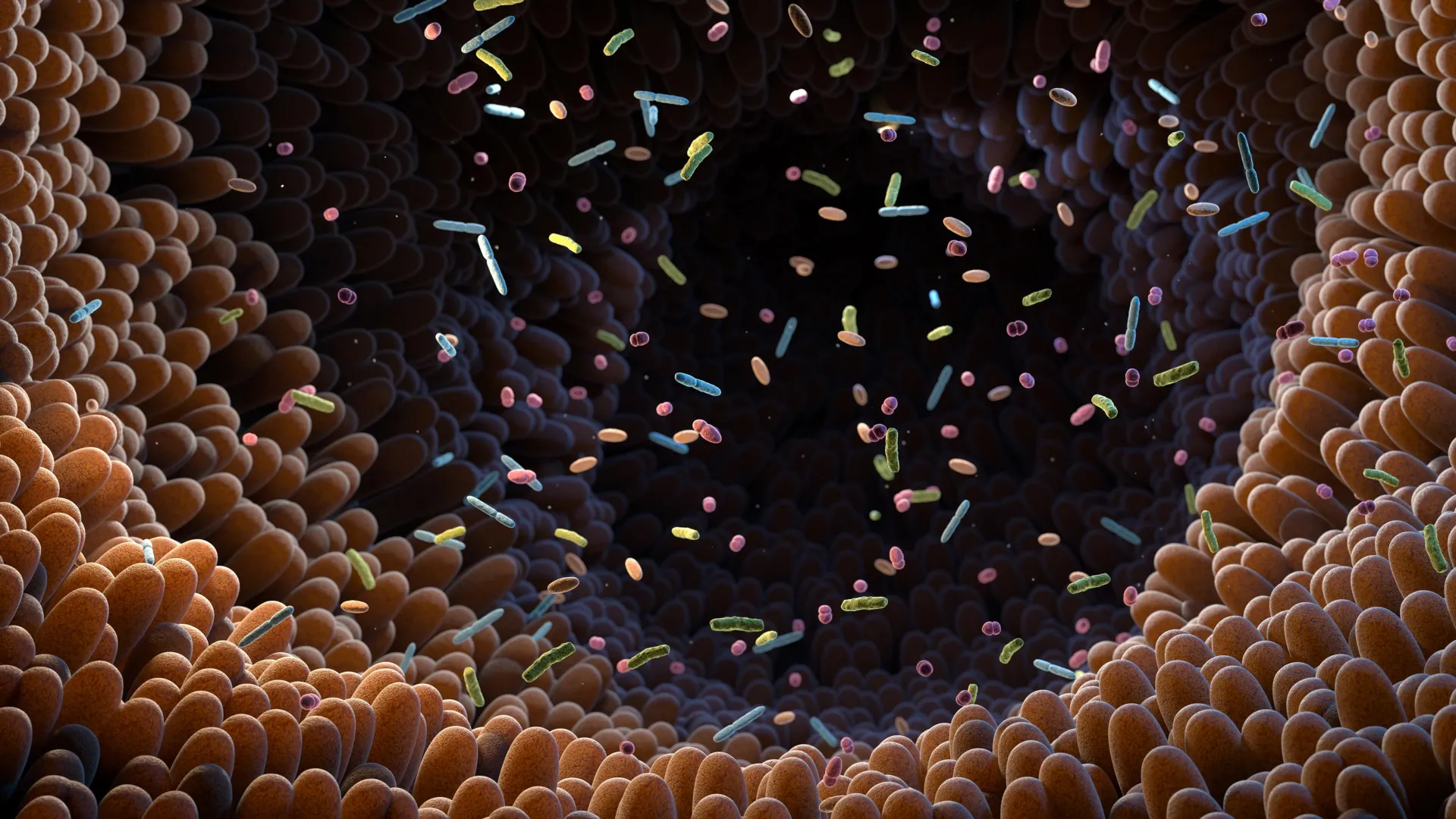
A significant breakthrough in gut health research has emerged from a large international study conducted by scientists at the University of Cambridge. On February 14, 2026, the team revealed the discovery of a previously underexplored group of gut bacteria, designated as CAG-170. This bacterium appears to have a strong association with health, as it was found at higher levels in individuals without chronic diseases.
The study involved analyzing gut microbiome samples from over 11,000 individuals across 39 countries. Researchers utilized advanced computational techniques to detect the genetic signature of CAG-170, which is challenging to study directly since most of these bacteria cannot be cultivated in the laboratory. The findings indicate a clear correlation: individuals with chronic conditions such as obesity, inflammatory bowel disease, and chronic fatigue syndrome exhibited lower levels of this beneficial bacterium.
Genetic analysis further revealed that CAG-170 is capable of producing substantial amounts of Vitamin B12 and contains enzymes that aid in breaking down carbohydrates, sugars, and fibers. Researchers suggest that the Vitamin B12 produced by CAG-170 likely supports the activity of other beneficial gut bacteria, contributing to the overall balance of the gut ecosystem.
Exploring the Role of CAG-170 in Gut Health
Dr. Alexandre Almeida, the lead researcher from the Department of Veterinary Medicine at the University of Cambridge, stated, “Our work has revealed that CAG-170 bacteria — part of the ‘hidden microbiome’ — appear to be key players in human health, likely by helping us to digest the main components of our food and keeping the whole microbiome running smoothly.” He emphasized that the study consistently showed lower levels of CAG-170 in individuals suffering from various chronic diseases.
This research builds upon Almeida’s prior efforts to create a detailed reference library of microbial genomes found in the human gut, known as the ‘Unified Human Gastrointestinal Genome catalogue’. This catalogue maps the genetic blueprints of various gut microbes and serves as a resource for future studies. Almeida’s previous work identified more than 4,600 bacterial species residing in the gut, with over 3,000 of these species previously undocumented, indicating a vast and largely unexplored microbiome.
Implications for Future Probiotic Development
The study conducted multiple analyses to confirm the link between CAG-170 and gut health. The team examined samples from individuals primarily residing in Europe, North America, and Asia, including both healthy individuals and those diagnosed with 13 different diseases, such as Crohn’s disease and Parkinson’s disease. Findings consistently highlighted CAG-170 as the group most strongly associated with good health.
The research also explored the condition known as dysbiosis, where the gut microbiome becomes imbalanced. Results indicated that lower levels of CAG-170 were linked to a higher likelihood of dysbiosis, which has been associated with long-term conditions like irritable bowel syndrome and even mental health issues such as anxiety and depression.
Researchers are optimistic that a better understanding of a healthy gut microbiome will pave the way for developing tailored probiotics aimed at supporting the growth of beneficial bacteria like CAG-170. Dr. Almeida noted, “The probiotic industry hasn’t really kept up with gut microbiome research. We’re discovering new groups of bacteria like CAG-170 with significant links to our health, and probiotics aimed at supporting them could provide considerable health benefits.”
The study published in the journal Cell Host & Microbe represents a crucial step in microbiome research. It underscores the need for innovative methods to cultivate and study bacteria that have yet to be grown in laboratories. The findings hold promise for future therapies and interventions aimed at restoring gut balance and enhancing overall health.
















