


































Republican lawmakers are facing increasing pressure as costs associated with the Affordable Care Act, commonly known as Obamacare, are projected to rise significantly. Without immediate action to address subsidies, over 20 million Americans could see their premiums and out-of-pocket expenses soar as early as January 2024.
A bipartisan solution could prevent this surge in health-care costs. However, many Republicans appear reluctant to engage meaningfully, opting instead to shift blame. The impending vote on this matter is expected later this week, and recent discussions indicate that a simple compromise could garner the necessary support in the Senate.
Potential Solutions and Legislative Challenges
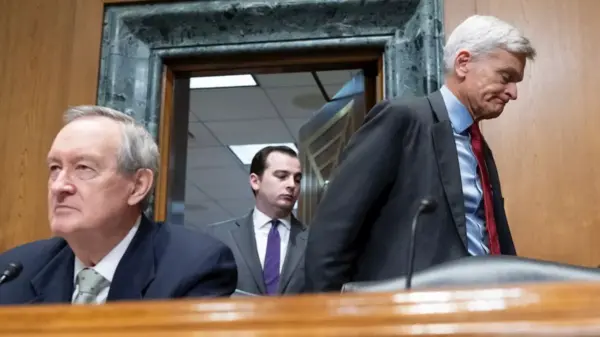
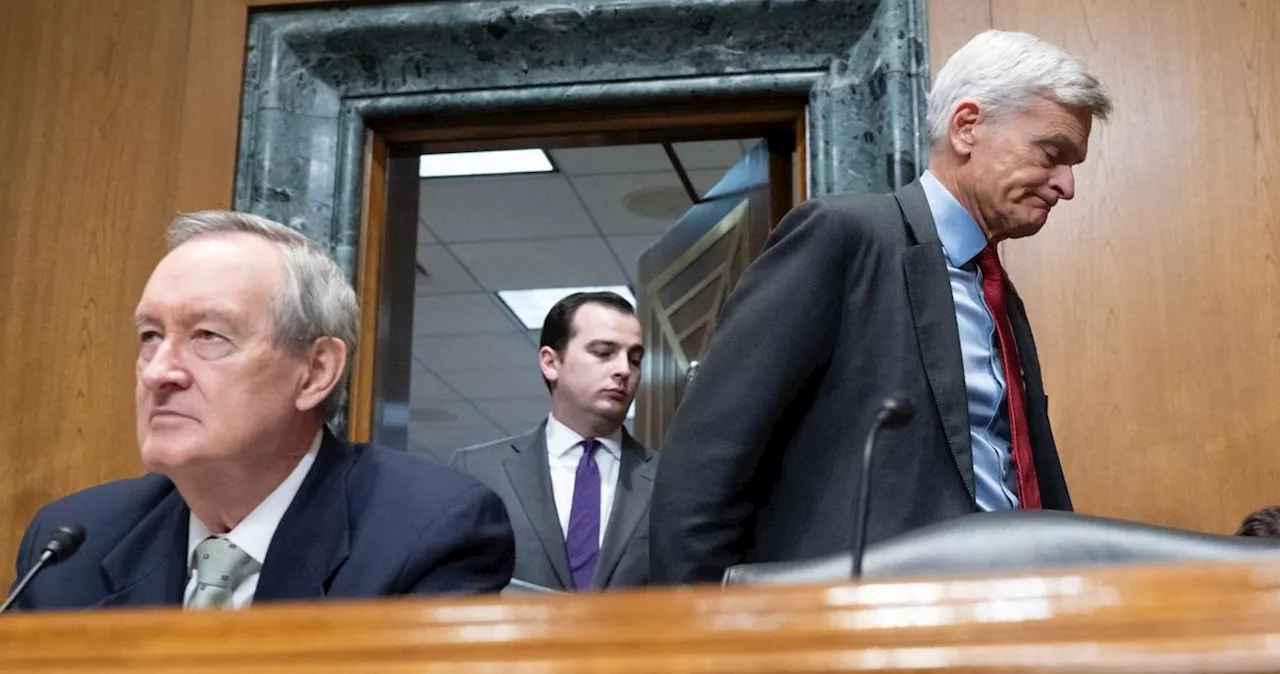
The original strategy proposed by Senator John Thune involved presenting both Democratic and Republican plans to address the subsidy issue, with the hope of finding common ground. Yet, the current trajectory suggests that Republicans may struggle to produce a viable proposal worthy of a vote. The latest Republican plan, being developed by Senators Mike Crapo and Bill Cassidy, leans heavily on traditional Republican approaches, such as enhancing health savings accounts and promoting small-business risk pools. Notably absent from this proposal is any extension of Obamacare subsidies.
In the House of Representatives, there is a possibility of a vote on a Republican-only bill addressing similar issues. Yet, there has been no commitment to support any specific legislative measure. Even if Republicans agree on a health-care reform initiative, it would likely require Democratic backing to pass the Senate, which remains unlikely without some compromise on the issue of subsidies.
Public Sentiment and Political Implications
Public sentiment surrounding Obamacare subsidies is notably favorable, with recent polls indicating that voters support extending these subsidies by nearly a three-to-one margin. Even among Republican voters, there is a slight majority in favor of such extensions. The Republican Party’s inability to present a coherent health-care strategy has become a source of criticism, as they have had over a decade to devise alternatives to the current system.
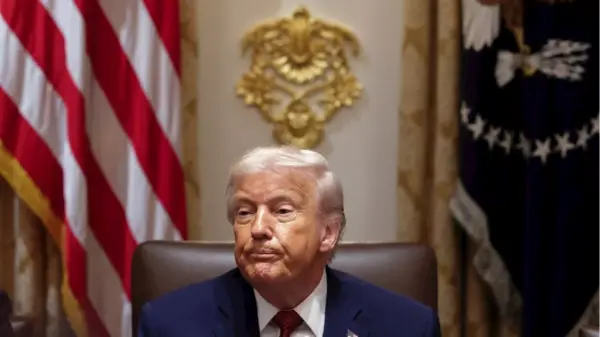
Former President Donald Trump has expressed his dissatisfaction with the current state of health care, claiming that Obamacare benefits insurance companies at the expense of individuals. He advocates for a system where funds are directed to individuals rather than insurance firms, a viewpoint reminiscent of pre-Obamacare health care dynamics.
As Congress approaches a potential government shutdown on January 30, 2024, the opportunity for Republicans to take decisive action on health-care costs may diminish. The current political landscape suggests that without a willingness to compromise, Republicans may miss the chance to address the rising costs impacting millions of Americans.
As the situation develops, the focus remains on whether Congress can navigate the complexities of health-care reform and find a solution that addresses the immediate needs of the American public.