









































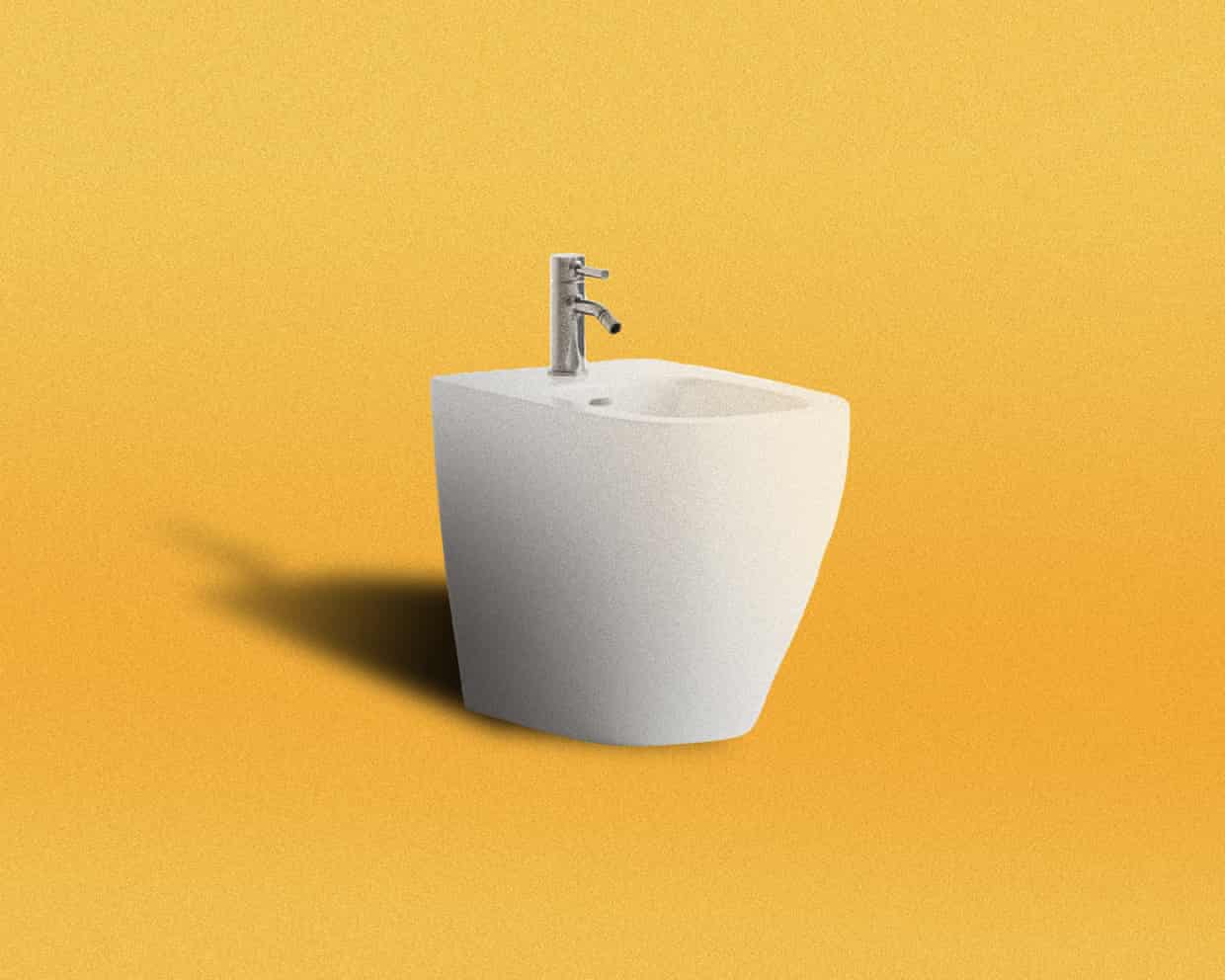
New York City Mayor Zohran Mamdani and his wife, Rama Duwaji, are set to make bidets a prominent feature in American bathrooms. The couple plans to install bidets at their official residence, Gracie Mansion, as part of their modern approach to living. This initiative may signal a cultural shift towards adopting practices common in many parts of the world, including Egypt, where washing after using the toilet is a norm.
Bidets, often referred to as bum guns or shattafs, are devices designed for post-toilet hygiene. In Egypt, these fixtures are ubiquitous, with homes and public facilities equipped to facilitate cleanliness. The term “bidet” originates from French, implying “small horse,” reflecting the way one straddles the device. The Arabic term “shattaf” translates to “to clean,” underscoring its primary function. Various adaptations of these sanitary devices are prevalent across Europe, the Middle East, East Asia, and some regions of South America.
A Shift in American Attitudes
The conversation around bidets in the United States has gained momentum, particularly in light of recent endorsements from public figures. Mamdani, who is not only the youngest mayor since 1892 but also the first Muslim and South Asian mayor of New York City, represents a generational shift in leadership. His wife, Duwaji, is noted as the youngest first lady in the city’s history, and together they are expected to influence public perceptions of personal hygiene.
Social media reactions have been mixed, with some opposing voices criticizing Mamdani’s progressive stances, including comments that label him as a communist. Yet, the enthusiasm surrounding their bidet installation reflects a growing acceptance of diverse bathroom practices. For many, the prospect of making cleanliness fashionable is a welcome change.
Mona Eltahawy, an Egyptian-American journalist and author, shared her thoughts on the importance of bidets. In a personal narrative, she recalled moving to London in 1975 from Cairo, where the absence of bidets was shocking. Her family adapted by using a watering can for hygiene, highlighting the cultural differences that exist in bathroom practices. Eltahawy’s experiences resonate with many immigrants who have faced similar adjustments in their hygiene habits when relocating to Western countries.
Health and Hygiene Benefits
The COVID-19 pandemic brought attention to personal hygiene, leading to increased bidet sales in the U.S. during the toilet paper shortages. Although consumer interest surged, the country remains largely unaccustomed to such devices. Eltahawy argues that adopting bidets could enhance overall hygiene and comfort, suggesting that Americans might benefit from re-evaluating their bathroom habits.
Advocates for bidets emphasize the environmental benefits of reducing toilet paper usage, which contributes to deforestation and waste. Bidets can offer a more sustainable alternative while promoting better hygiene practices. As awareness grows, the hope is that a shift in cultural norms will encourage wider acceptance of these devices.
As the trend towards incorporating bidets gains traction in New York City, it may inspire other regions to follow suit. With Mamdani and Duwaji at the forefront, the conversation around bathroom hygiene is poised for transformation. Eltahawy’s plea resonates with many: “Wash your ass! Install that bidet, bum gun, or shattaf. You’ll thank me later.” This call to action reflects the broader cultural dialogue on personal hygiene and the acceptance of diverse practices in everyday life.
Ultimately, the installation of bidets in Gracie Mansion may mark the beginning of a new era, where cleanliness is embraced and celebrated across the United States, shifting perspectives one bathroom at a time.
















