














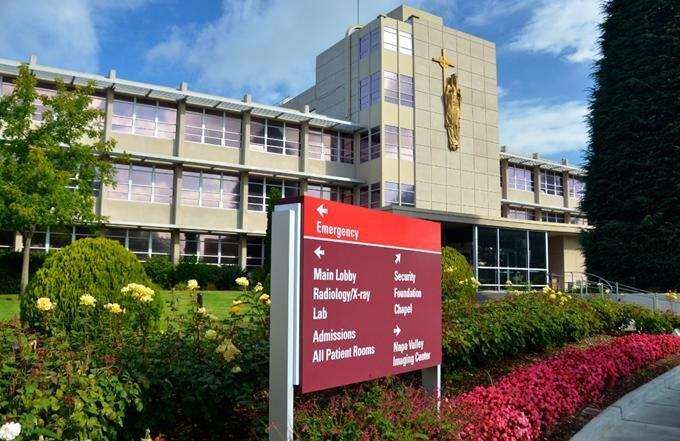
























Recent research from the Hospital for Special Surgery (HSS) in New York City underscores the benefits of osseointegration (OI) for individuals with amputations. This innovative surgical technique allows for a prosthetic limb to be anchored directly to the bone, offering an alternative to conventional socket prostheses. The findings from three distinct studies challenge existing assumptions about which patients might be most suitable for this approach.
Osseointegration has gained attention for its potential to enhance mobility and comfort for amputees. Traditionally, many believed that only certain demographics, such as younger patients or those with specific amputation levels, would significantly benefit from the procedure. However, the recent studies suggest a broader range of candidates could achieve positive outcomes through OI.
Key Findings and Implications of Osseointegration
One of the pivotal studies conducted by HSS involved a cohort of diverse patients, revealing that individuals with varying age ranges and backgrounds experienced substantial improvements in their quality of life post-surgery. The research indicated that OI patients reported increased satisfaction with their prosthetic devices, highlighting a preference for the direct bone attachment over conventional methods.
In another study, researchers focused on the functionality of prosthetic limbs post-osseointegration. Findings showed that patients enjoyed enhanced stability and mobility, allowing them to engage in physical activities with greater confidence. This is particularly relevant for athletes or individuals seeking to maintain an active lifestyle following an amputation.
The implications of these studies extend beyond individual experiences. With rising healthcare costs and the ongoing need for effective rehabilitation solutions, the success of osseointegration could influence how medical professionals approach amputee care. As healthcare systems worldwide look for innovative ways to improve patient outcomes, OI may become a more widely adopted practice.
Challenges and Considerations Ahead
Despite the promising results, there are challenges to consider. The initial surgical procedure requires significant expertise and resources, which may not be available in all healthcare settings. Additionally, long-term studies are needed to assess the durability and potential complications associated with osseointegration.
Moreover, the cost of osseointegration can be a barrier for many patients. As the medical community assesses the value of this technique, discussions about insurance coverage and accessibility will be crucial in determining its future use.
In conclusion, the research from the Hospital for Special Surgery sheds light on the transformative potential of osseointegration for amputees. As more studies emerge, they will help shape the conversation around this innovative approach, potentially redefining standards of care and improving the lives of countless individuals with limb loss.
















