









































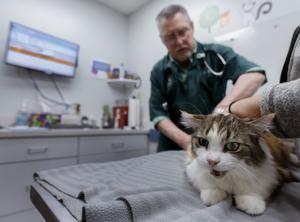
Pet vaccine hesitancy, while uncommon, has been noted by some veterinarians in the region. Despite the overwhelming consensus within the medical community regarding the safety of vaccines, concerns persist among a small segment of pet owners regarding the rabies vaccine and its supposed links to autism.
The discussion surrounding vaccine hesitancy among pet owners has gained some traction, particularly as misinformation spreads across various platforms. Local veterinary professionals emphasize that there is no scientific basis for the belief that pets can develop conditions like autism from receiving vaccines, including the rabies shot.
Understanding Vaccine Safety
Veterinarians assert that vaccines are crucial for preventing serious diseases. According to the World Organisation for Animal Health, rabies remains a major health concern worldwide, with thousands of human deaths attributed to rabies each year. The rabies vaccine is not only safe but also essential for protecting both pets and their owners from this deadly virus.
Dr. Sarah Thompson, a veterinarian at the Green Valley Veterinary Clinic, highlighted that “the benefits of vaccination far outweigh any perceived risks.” She noted that serious side effects from vaccines are extremely rare, and the veterinary community is committed to educating pet owners about the importance of immunizations.
Pet owners are encouraged to consult their veterinarians for accurate information regarding vaccines and to address any concerns they may have. Misunderstandings can often lead to hesitancy, which can, in turn, place both pets and public health at risk.
Community Engagement and Education
To combat misinformation, many veterinary clinics are actively engaging with pet owners through informational sessions and community outreach programs. These initiatives aim to clarify the facts surrounding vaccinations and dispel myths that may contribute to hesitancy.
As of 2023, the local veterinary community has reported a slight increase in inquiries about vaccine safety. While the majority of pet owners are compliant with vaccination schedules, a few remain skeptical. Community leaders stress the importance of having open dialogues with pet owners to ensure their pets receive the necessary vaccinations.
The local health department has also joined the conversation, providing resources and support to veterinarians in their efforts to educate the public. Officials emphasize that vaccinations are not only vital for pet health but also play a significant role in preventing zoonotic diseases—those that can be transmitted from animals to humans.
In conclusion, while pet vaccine hesitancy is rare in the area, it is essential for veterinarians to continue their outreach and education efforts. Ensuring that pet owners are informed about the safety and importance of vaccines will help protect both pets and the wider community from preventable diseases.
















