
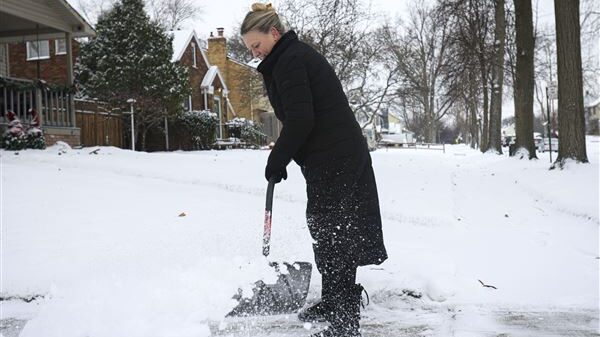





















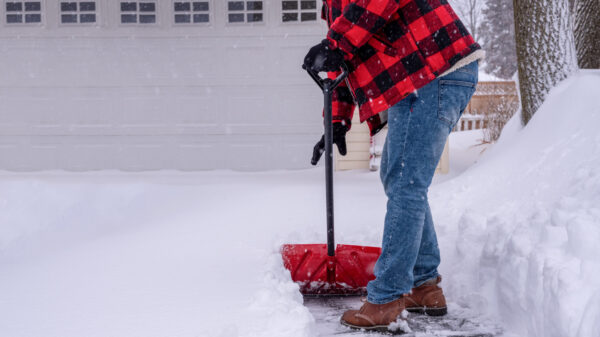







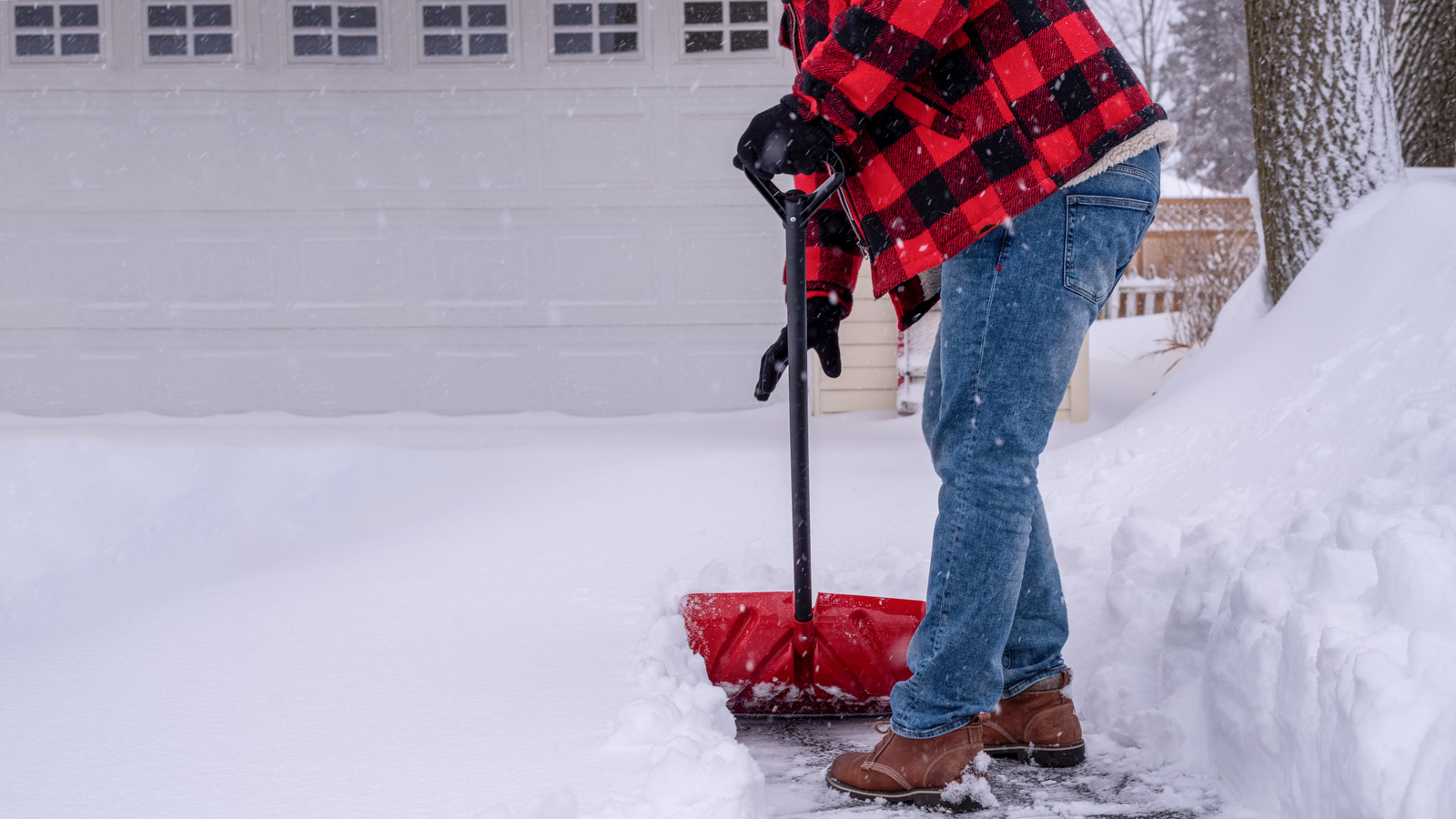
Heavy snowfall can bring beauty and challenges, but for many in the Midwest and Northeast, it also means the annual chore of shoveling snow. As winter settles in, the American Heart Association (AHA) has issued a cautionary note about the potential health risks associated with this common task. They warn that for some individuals, especially those who may not be physically fit, shoveling snow can lead to serious cardiac events.
In the United States, it is estimated that hundreds of people die each winter while engaged in snow removal activities. This task, often seen as a routine part of winter life, unexpectedly places significant stress on the heart. The combination of cold weather and the physical exertion involved can be particularly dangerous for those who are not accustomed to strenuous exercise.
Understanding the Risks
Shoveling snow can be a demanding activity, especially for individuals who may smoke, have diabetes, or are managing high cholesterol or obesity. Cold air causes blood vessels to constrict, which elevates blood pressure. This poses a challenge for the heart, which requires a steady supply of oxygen and blood flow to function effectively. The effort of lifting heavy snow mainly involves the arms, which increases the cardiovascular strain compared to exercises that engage the legs more fully.
Moreover, many people tend to hold their breath while lifting, further complicating the physiological demands on their bodies. The AHA emphasizes that if you have a history of heart conditions, prior heart attacks, or lead a sedentary lifestyle, it may be best to avoid shoveling altogether.
Staying Safe While Shoveling
For those who do not have the option of hiring a snow removal service or using a snowblower, there are strategies to make shoveling safer. The AHA recommends pushing the snow rather than lifting it, as this method is less strenuous. Using a snowblower, if available, can also significantly reduce the risk of heart-related issues. While pushing a snowblower is safer than shoveling, individuals should still be mindful of their body’s signals during the activity.
It is crucial to pace oneself, especially in harsh weather conditions. Extreme cold or strong winds can exacerbate the impact of cold air on the body. If any symptoms such as chest pain or irregular heart rhythms occur while shoveling, it is essential to stop immediately and seek medical assistance by calling 9-1-1.
As winter progresses, the AHA advises anyone in high-risk categories to consult with their physician before engaging in snow removal activities. Taking proactive measures can help ensure that this winter chore does not turn into a health crisis.