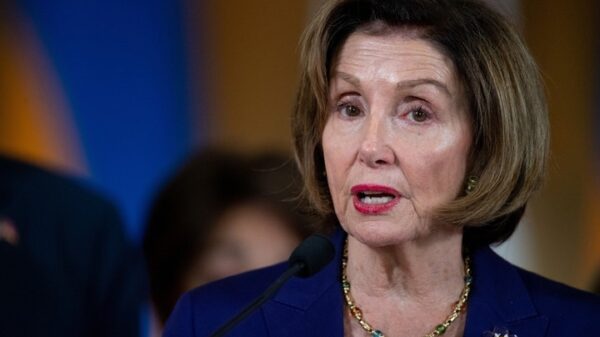







































The appointment of Dr. Tracy Beth Høeg as the acting director of the Food and Drug Administration’s (FDA) Center for Drug Evaluation and Research has raised significant concerns among senior officials within the agency. Following the unexpected resignation of Richard Pazdur, who held the position for just three weeks, Høeg’s elevation has been described by some as a seismic shift, causing alarm regarding the FDA’s reputation as a reliable authority in drug safety and approval.
Høeg, a sports medicine physician and epidemiologist, will oversee the office responsible for ensuring that both over-the-counter and prescription drugs are safe and effective. Critics within the FDA worry that her views on vaccine safety and efficacy could politicize an office traditionally focused on rigorous scientific evaluation. According to one source, “Putting Tracy Beth in charge is like dropping an atom bomb,” indicating widespread fear that her leadership may lead companies to seek regulatory environments abroad.
In a statement issued upon her appointment, Høeg emphasized her commitment to “transparency, honesty, and decisions based on rigorous science.” Yet, her history has raised eyebrows; in the fall of 2022, she advocated for restricting access to the COVID-19 vaccine for young men due to concerns over a rare side effect, myocarditis. Furthermore, she has been involved in controversial discussions surrounding vaccine policies during her time at the FDA.
Høeg’s recent contributions to the FDA include drafting a memo that claimed at least 10 children died “after and because of” receiving the COVID-19 vaccine. This assertion, obtained by CBS News, lacked supporting data, prompting criticism from public health experts. Following public release, a group of former FDA leaders denounced the proposed changes in the New England Journal of Medicine, arguing they undermine the FDA’s role in ensuring vaccine safety and effectiveness.
As Høeg steps into her new role, she inherits a troubled office, having become the fifth individual to lead it this year. Her predecessor, Pazdur, resigned after conflicts with FDA Commissioner Marty Makary, who reportedly began interfering with the office’s operations shortly after Pazdur’s appointment.
The challenges facing Høeg extend beyond internal discord. During a recent advisory meeting, she voiced concerns about declining trust in the U.S. healthcare system, linking the erosion of public confidence to vaccine mandates and political polarization. This sentiment aligns with her critical perspective on the U.S. childhood vaccination schedule, which she believes may be overly expansive compared to other developed nations.
In contrast, the American Academy of Pediatrics asserts that the U.S. recommendations are grounded in “robust evidence” and reflect necessary adjustments based on varying disease threats and demographics.
As Høeg prepares to lead the FDA’s drug evaluation efforts, many within the healthcare and pharmaceutical sectors are closely monitoring her actions. The potential for a shift in the agency’s approach to drug regulation and vaccine policy could have far-reaching implications, not only for the agency’s credibility but also for public health initiatives and vaccine accessibility in the United States.