





































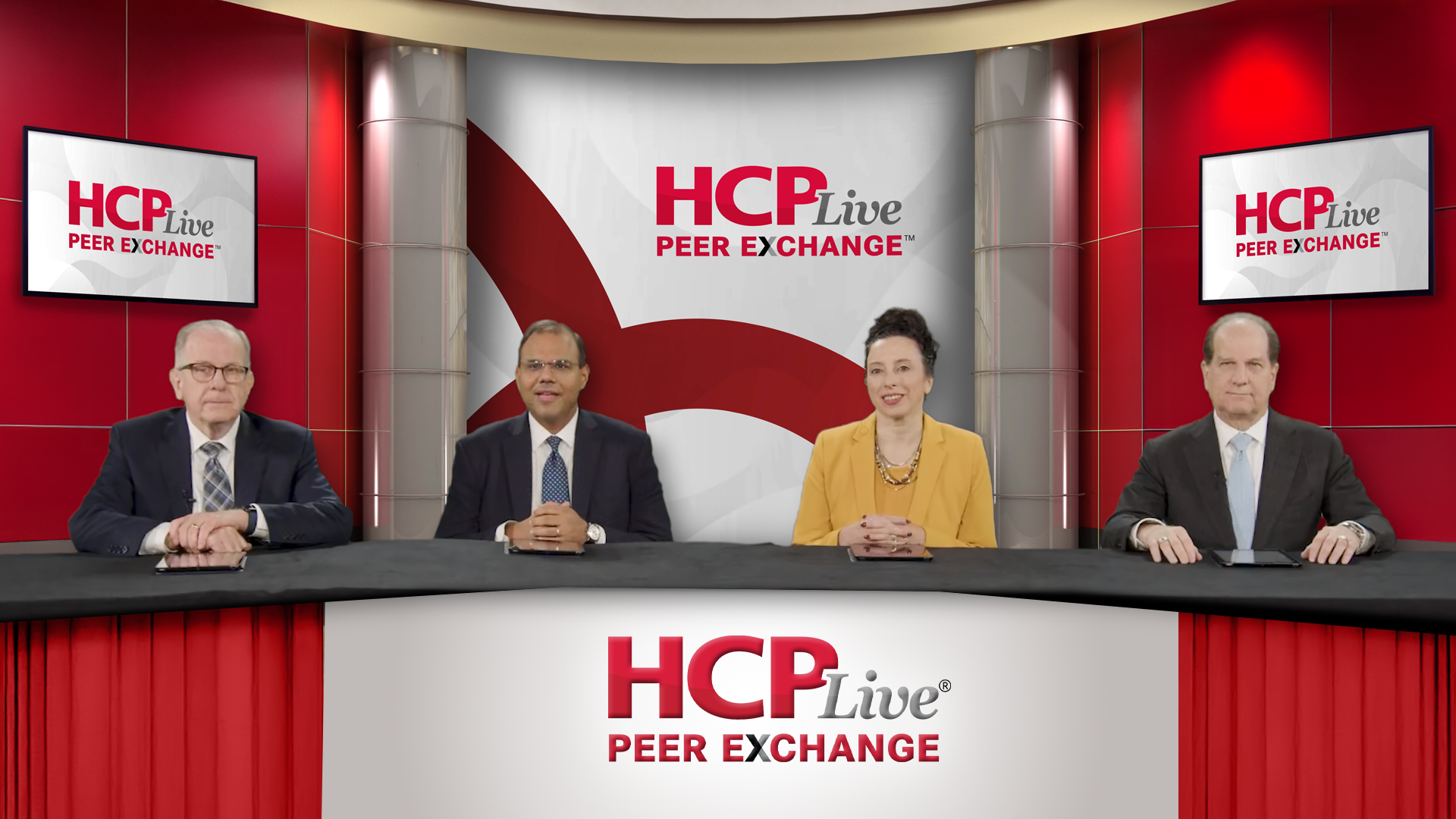
A recent panel discussion has highlighted significant barriers that hinder the utilization of PCSK9-targeting therapies in the management of atherosclerotic cardiovascular disease (ASCVD). Despite robust evidence demonstrating the therapies’ efficacy and safety, issues such as high costs, restrictive insurance policies, and delays in prior authorization continue to impede patient access.
Panelists emphasized that cost remains a primary obstacle. Many patients who meet the qualifications outlined in current guidelines experience substantial delays in approval or outright denials. These challenges create treatment gaps that contribute to frustration for both patients and healthcare providers. The experts noted that the lengthy approval processes not only affect patient outcomes but also place an increasing burden on healthcare teams, which spend considerable time managing paperwork and appeals.
Need for Enhanced Education and Simplified Processes
Even when access to PCSK9 therapies is granted, there are additional hurdles. A lack of awareness or familiarity with these treatments among some clinicians can lead to delays in therapy initiation. This knowledge gap further complicates the situation, as patients may be left waiting for optimal treatment options that could significantly lower their low-density lipoprotein cholesterol (LDL-C) levels.
The panelists argued for the necessity of broader education initiatives aimed at both healthcare professionals and patients. They advocate for simplified approval pathways that would facilitate easier access to these therapies. Additionally, improved affordability is essential to ensure that more patients can benefit from these proven treatments, which have been shown to reduce the risk of recurrent ASCVD events.
The discussion concluded with a call to action, underscoring the importance of addressing these administrative and systemic barriers. By overcoming these challenges, healthcare providers can better serve patients in need of effective LDL-C-lowering therapies, ultimately improving health outcomes in the population at large.