









































As self-care continues to evolve in 2026, the wellness landscape is shifting towards more holistic and sustainable approaches. This year, trends reflect a growing focus on nourishing foods, mindful practices, and a deeper connection to nature. Rather than embracing restrictive diets and intense workouts, individuals are now prioritizing their overall well-being through practices that enhance both physical and mental health.
The Rise of Fibermaxxing
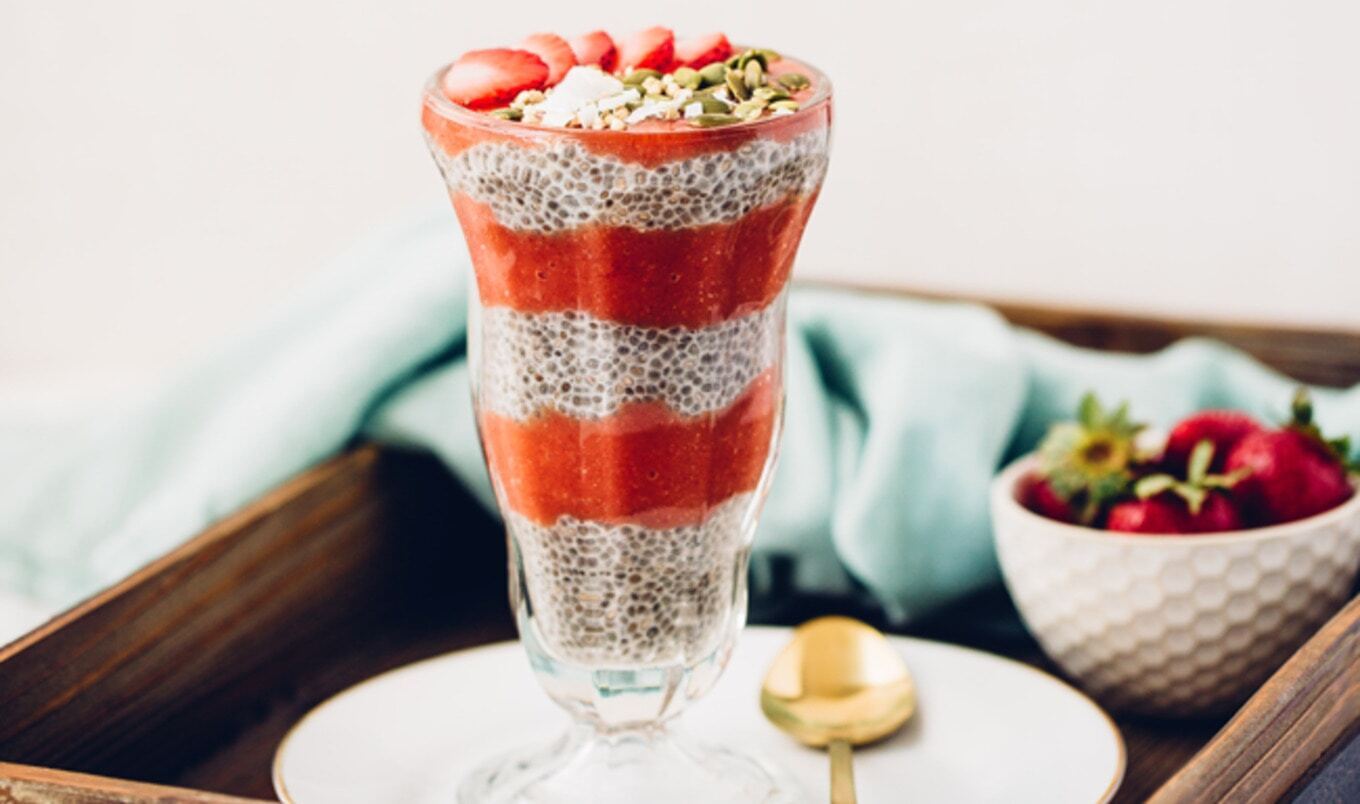
One of the standout trends in 2026 is the concept of fibermaxxing. This term refers to maximizing daily fiber intake through whole, plant-based foods rather than relying on supplements. Experts emphasize the importance of fiber for digestion, blood sugar balance, and gut health, with many advocating for a daily intake of 30 grams or more. Incorporating foods such as chia pudding, lentil soups, and overnight oats topped with berries can help individuals reach this goal.
Reviving Matcha Culture
Another notable trend is the resurgence of matcha as a preferred source of energy. Moving away from traditional coffee, many are turning to this green tea powder for a calm and focused alertness. With its high antioxidant content and gradual caffeine release, matcha offers a smoother alternative to jittery mornings. Individuals can enhance their matcha experience by using premium brands sourced from Japan, creating a refreshing beverage served over ice with oat milk and a hint of vanilla.
The notion of longevity is gaining traction as well. The focus has shifted from anti-aging to enhancing quality of life as one ages. This approach prioritizes strength, mental clarity, and sustained energy levels throughout life. Following the guidance of organizations such as the Physicians Committee for Responsible Medicine can provide valuable insights into nutrition’s role in promoting longevity.
Integrating Technology in Wellness
The integration of technology into health and fitness is becoming increasingly prevalent. Innovations such as AI-enhanced fitness trainers and personalized nutrition apps are redefining how individuals approach their health. These tools adapt to users’ habits and physical limitations, making wellness more accessible and tailored. Apps like FitnessAI and Alma offer data-driven insights into movement, sleep, and nutrition, helping users make informed choices.
Seasonal eating is also making a comeback, as people are encouraged to align their diets with what is naturally available throughout the year. This practice not only supports sustainability but also enhances nutrient diversity. By shopping at farmers’ markets and focusing on seasonal produce, individuals can reconnect with the rhythms of nature.
Nature’s Influence on Design and Well-Being
The trend of biophilic design is gaining momentum, emphasizing the incorporation of natural elements into home and work environments. This design philosophy aims to enhance calmness, focus, and creativity through the use of natural textures, plant life, and diffused light. Simple additions like statement plants or natural textiles can significantly impact emotional well-being, particularly for those working from home.
In the realm of wellness, sound-based wake-up routines are replacing harsh alarms. By using soothing melodies or nature-inspired chimes, individuals can start their days with reduced stress. Apps such as Headspace and curated playlists from Spotify allow users to ease into their mornings with a more mindful approach.
The Expansion of Ingestible Beauty
The beauty industry is evolving beyond topical treatments, with a growing emphasis on ingestible beauty. Vitamins and supplements that target hair and skin health are becoming more popular, featuring clinically backed ingredients and transparency about their benefits. Brands like HUM Nutrition and Sourse are leading the way in creating formulations that nourish from within, promoting an inner glow.
Additionally, the concept of a dopamine menu is emerging, where meal planning is designed to elevate mood and motivation. Foods rich in omega-3s, B vitamins, and tryptophan can naturally boost serotonin and dopamine levels. A vibrant breakfast plate featuring avocado toast with hemp seeds and citrus can set a positive tone for the day.
Finally, protein consumption is being redefined. Once primarily associated with fitness enthusiasts, protein is now recognized as essential for everyday energy, hormone health, and longevity. The focus has shifted to consistent intake throughout the day, with a range of options from plant-based powders to protein-rich snacks. Incorporating items like pea or hemp protein into smoothies or snacking on Aloha protein bars can help individuals meet their protein needs.
As these trends demonstrate, wellness in 2026 is about embracing a balanced lifestyle that prioritizes health, sustainability, and personal well-being. By adopting these practices, individuals can cultivate a more fulfilling approach to self-care that resonates with their lives.
















