








































Many individuals believe they are maintaining excellent oral hygiene through thorough brushing, flossing, and mouthwash routines. Despite these efforts, they often face discouraging news during dental check-ups, with issues such as receding gums and new cavities emerging. Surprisingly, these persistent challenges may not stem from inadequate cleaning habits but rather from the types of bacteria thriving in their mouths.
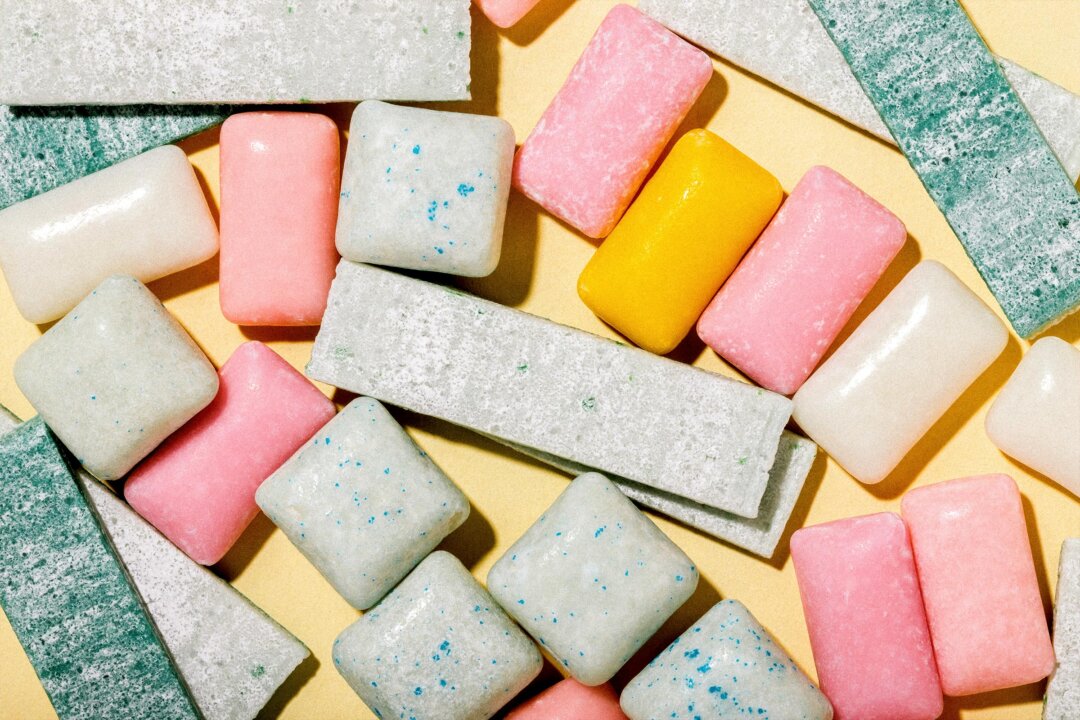
Recent research has highlighted the potential of xylitol, a sugar alcohol that mimics the sweetness of regular sugar, in transforming oral health. Found naturally in small amounts in various fruits and vegetables, xylitol is increasingly incorporated into sugar-free gums, mints, and other oral care products. Unlike conventional sugars, xylitol interacts differently with oral bacteria, leading to a healthier mouth environment.
The Role of Xylitol in Dental Health
Xylitol has garnered attention in dental studies for its unique properties. Unlike standard sugars that feed harmful bacteria, xylitol inhibits their growth while promoting the proliferation of beneficial bacteria. This shift in the oral microbiome can reduce the risk of cavities and gum disease significantly.
Clinical studies have shown that regular exposure to xylitol can lead to a notable decrease in dental caries. A study published in the Journal of Dental Research demonstrated that participants who chewed xylitol gum multiple times a day saw a reduction in decay rates compared to those who did not. This promising data suggests that integrating xylitol into daily oral health routines could enhance overall dental conditions.
Additionally, xylitol’s ability to maintain moisture in the mouth can combat chronic bad breath, a common concern for many. By reducing the number of harmful bacteria and supporting a balanced oral environment, individuals may find relief from this often-embarrassing issue.
Implementing Xylitol into Your Routine
Incorporating xylitol into an existing oral hygiene routine can be straightforward. Many individuals start by choosing xylitol-infused products such as toothpaste, mouthwash, or chewing gum. It is recommended to consume xylitol products multiple times throughout the day to achieve the best results.
Dentists and dental hygienists are increasingly advocating for the use of xylitol, particularly for patients prone to cavities or gum disease. Regular consultations with dental professionals can help individuals tailor their oral health practices to include effective xylitol-based solutions.
As research continues to explore the benefits of xylitol, it becomes clear that this sugar alcohol offers a promising avenue for improving oral health. With the right approach, individuals can enhance their dental care routines and potentially reduce the frequency of dental issues. By understanding and utilizing the properties of xylitol, people can take significant steps toward achieving better oral health outcomes.
















