









































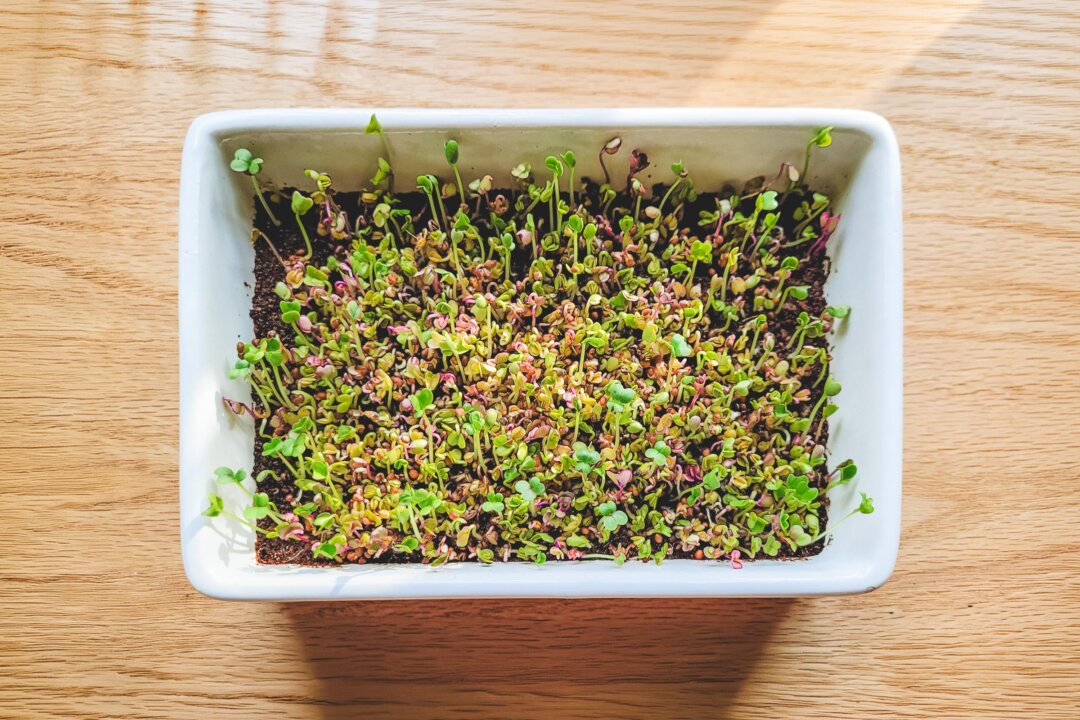
Microgreens and sprouts are gaining attention not just as garnishes but as nutrient-dense additions to meals. Research indicates that these young plants often contain higher concentrations of essential nutrients compared to their mature counterparts, making them a compelling choice for health-conscious consumers. Growing them at home allows individuals to enhance their meals with fresh flavors while maintaining control over their food sources.
The Nutritional Advantage
Microgreens and sprouts are celebrated for their impressive nutritional profiles. They are rich in vitamins, antioxidants, and various micronutrients that support overall health, including digestion and immune function. For instance, studies have shown that certain microgreens can provide up to 40 times more nutrients than mature vegetables. This makes them an efficient way to incorporate essential nutrients into everyday meals.
Incorporating a handful of microgreens into a salad or sandwich can elevate the dish’s flavor and health benefits. Their vibrant colors and crisp textures add visual appeal, transforming even the simplest meals into nutritional powerhouses.
Growing Microgreens and Sprouts at Home
Growing microgreens and sprouts is not only rewarding but also straightforward. For microgreens, the process typically takes between 7 to 21 days from planting to harvest, depending on the variety. Common types include arugula, basil, and radish, each offering unique flavors and nutrients.
Sprouts, on the other hand, are germinated seeds that can be ready for consumption in as little as 3 to 5 days. Varieties such as alfalfa, mung beans, and broccoli sprouts are popular choices. The key difference lies in their growing conditions: while microgreens require soil or a growing medium, sprouts are generally grown in water.
To cultivate these plants effectively, one needs to ensure adequate light, moisture, and temperature. A sunny windowsill is often ideal for microgreens, while sprouts can thrive in a dark environment until they are ready to be rinsed and eaten.
The benefits of growing microgreens and sprouts extend beyond health. It offers a sustainable way to access fresh produce, reducing reliance on store-bought options. For urban dwellers with limited space, these plants can be grown in small containers, making them a practical choice for anyone interested in gardening.
In conclusion, the increasing interest in microgreens and sprouts highlights a shift towards healthier eating habits. As more individuals seek to enhance their culinary experiences with nutrient-rich ingredients, the appeal of home-grown microgreens and sprouts is likely to grow. With minimal effort and space required, this trend offers an accessible way to boost the nutritional content of meals, making it a worthwhile endeavor for health enthusiasts and casual cooks alike.
















