









































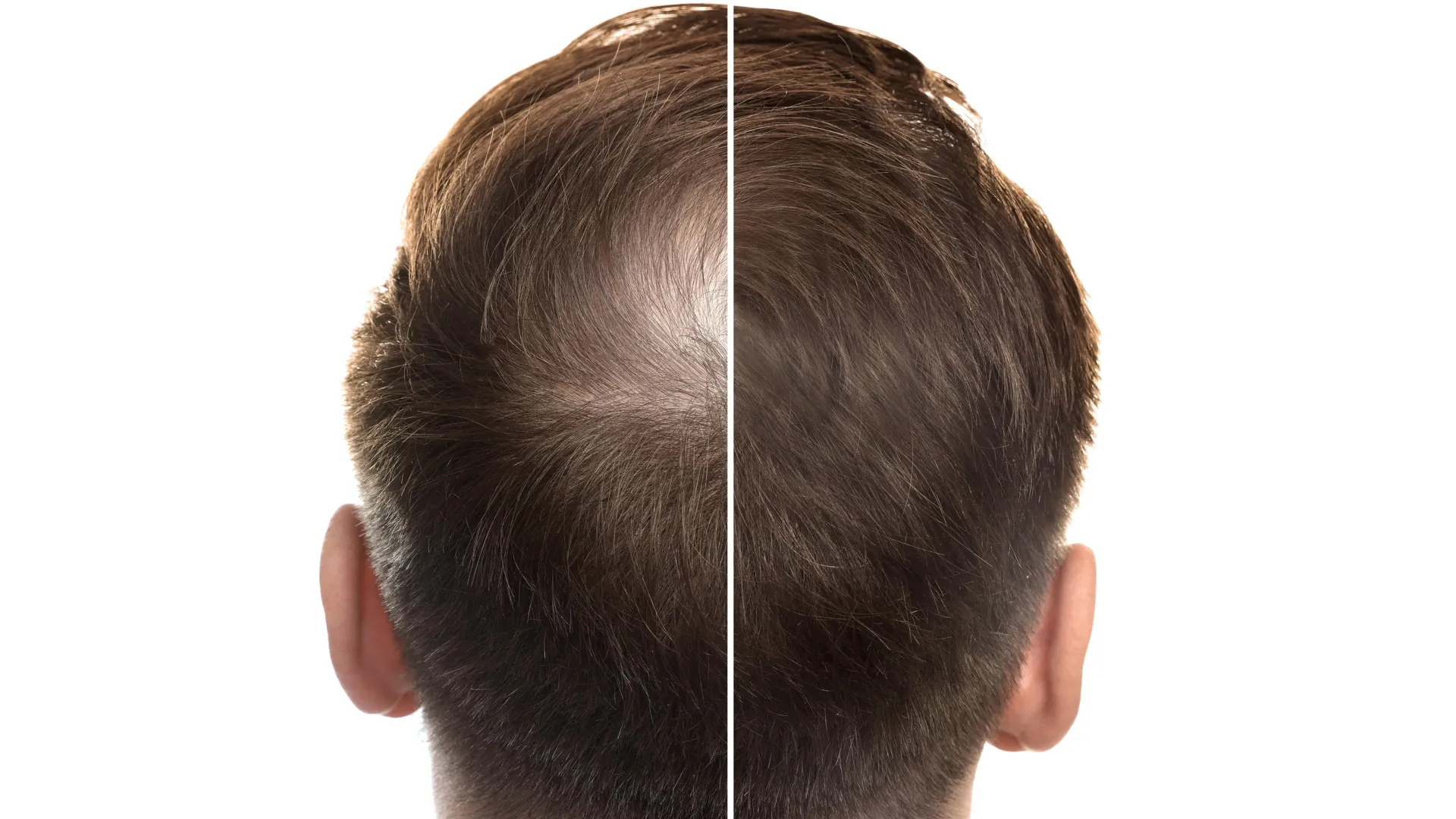
Research into traditional medicine has unveiled promising insights into hair regrowth. A recent review published on February 9, 2026, highlights the potential of Polygonum multiflorum, a root used in ancient Chinese medicine, as a viable alternative for treating androgenetic alopecia (AGA), the most common form of hair loss globally.
The herb, known for its historical use in restoring dark and healthy hair, is gaining attention for its multifaceted approach to combating hair loss. It appears to block hormones that contribute to hair follicle shrinkage, protect hair follicles from damage, stimulate natural regrowth, and improve blood circulation to the scalp.
Scientific Validation of Ancient Practices
The review conducted by a team led by Han Bixian, published in the Journal of Holistic Integrative Pharmacy, bridges centuries-old practices with modern scientific understanding. Bixian noted, “Our analysis bridges ancient wisdom and modern science. What surprised us was how consistently historical texts—dating back to the Tang Dynasty—described effects that align perfectly with today’s understanding of hair biology.”
Researchers examined a range of sources, including laboratory studies, clinical observations, and historical writings on herbal medicine. Their findings suggest that Polygonum multiflorum does more than merely slow hair thinning; it actively promotes hair regeneration. This broad mechanism of action could render it more effective than conventional treatments that typically target a single biological pathway.
The herb’s ability to reduce the impacts of dihydrotestosterone (DHT), a hormone associated with follicle shrinkage, is particularly notable. In addition to this, it protects hair follicle cells from premature death and activates critical signaling pathways, such as Wnt and Shh, which are essential for hair growth.
Safety and Future Research Directions
The review also emphasizes the safety profile of Polygonum multiflorum when processed correctly, a vital aspect of traditional preparation methods. This favorable safety profile makes it an attractive option for patients concerned about the side effects often associated with conventional hair loss medications, such as sexual dysfunction and scalp irritation.
Despite these promising findings, the authors stress the necessity for more rigorous clinical trials to validate these effects and explore optimal usage. The study exemplifies how scientifically investigating traditional remedies can pave the way for innovative treatment strategies for common conditions like AGA.
As interest grows in holistic and natural approaches to health, the findings related to Polygonum multiflorum could not only enhance understanding of hair loss treatments but also foster a broader appreciation for the intersection of ancient and modern medicine.
















