









































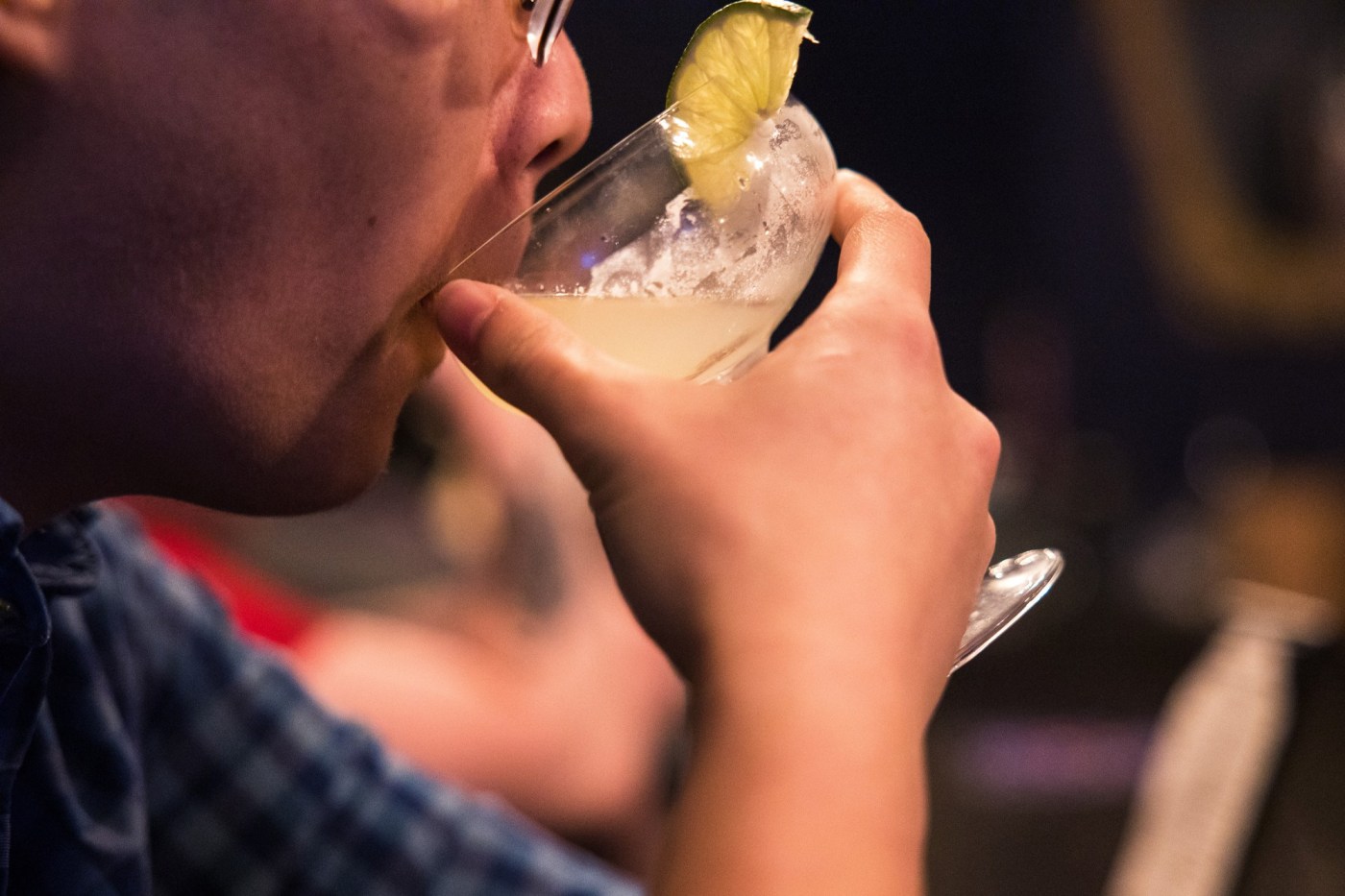
As the new year unfolds, a significant cultural shift is taking place in the United States regarding alcohol consumption. Increasingly, Americans are opting for sobriety or moderation, particularly through initiatives like Dry January, which encourages individuals to abstain from alcohol for the month. This trend reflects a broader reassessment of drinking habits, especially among younger generations.
A recent Gallup poll highlights this change, revealing that only 54% of adults in the U.S. reported consuming alcohol, marking the lowest level in nearly 90 years. This decline is partly attributed to the pandemic’s impact on alcohol consumption, prompting many to rethink their habits and consider the effects of drinking on their overall health.
The Dry January movement, which originated in the UK in 2013, has gained traction in the U.S. as more people view it as an opportunity to evaluate their relationship with alcohol. According to Marisa M. Silveri, director of the Neurodevelopmental Laboratory on Addictions and Mental Health at McLean Hospital, this initiative provides “cultural permission to pause.” It allows individuals to assess their drinking without stigma, promoting a normalization of sobriety and moderation.
The societal experiment with moderation is informed by growing evidence of the health risks associated with alcohol. Following a health advisory from then-Surgeon General Vivek Murthy that linked moderate drinking to cancer risks, many individuals reevaluated their consumption. This awareness has particularly resonated with younger adults; the Gallup poll indicates that approximately 66% of young adults now view moderate drinking as detrimental to their health, a significant increase from the previous decade.
The trend is not only influenced by health considerations but also by changing consumer behaviors. The rise of wearable technology provides insights into how alcohol affects sleep, while an expanding market for alcohol-free beverages offers appealing alternatives for those looking to cut back. Many young people are adopting “mindful drinking” practices, such as alternating between alcoholic and non-alcoholic drinks during social events.
Looking ahead, experts like Henry Kranzler, director of the Center for Studies of Addiction at the University of Pennsylvania, suggest that the current trajectory resembles the decades-long decline in cigarette smoking in the U.S. After the landmark 1964 report linking smoking to lung cancer, rates fell from 42% to below 12%. There is hope that the decline in alcohol consumption will follow a similar path, with fewer young adults engaging in heavy drinking potentially leading to lower risks in the future.
While the Dry January movement has sparked considerable discussion around alcohol consumption, it is not solely about abstaining. Participants often find joy in socializing without the need for alcohol, as illustrated by personal experiences. The decision to enjoy a special occasion with a glass of champagne can coexist with a commitment to moderation in the following weeks.
As this cultural shift continues, it is clear that Dry January and related initiatives are playing a crucial role in reshaping attitudes towards alcohol in American society. The focus is now on health, well-being, and the benefits of reevaluating personal habits, paving the way for a more mindful approach to drinking as we move further into 2024.
















