









































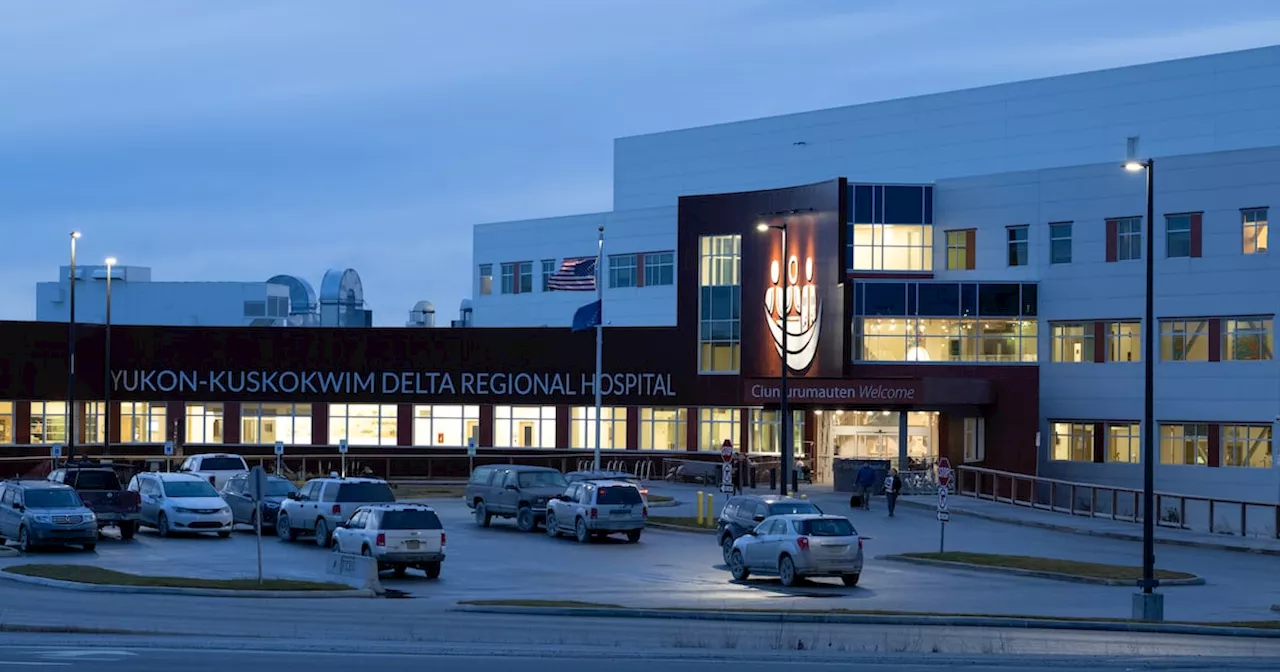
The Alaska Department of Health is initiating a funding initiative to allocate $272 million aimed at improving health care delivery in rural areas. This urgent effort must be completed by October 2023 to avoid losing the funds, which are part of a newly established federal program designed to enhance health care systems across the United States.
The federal program, introduced in July 2022, is intended to distribute $50 billion over five years among all states, with Alaska being a key recipient in the first phase. This initiative was championed by congressional Republicans with backing from Alaska’s congressional delegation, as part of a broader bill that also reduced federal Medicaid spending significantly.
Beginning on March 11, 2024, the Department of Health will accept letters of interest for the funding. The Alaska Community Foundation has been contracted to oversee the application process and will review submissions. Funding disbursement is expected to commence in April 2024, as confirmed by Alex McKay, president of the Alaska Community Foundation.
The tight timeline poses significant challenges, as all funds must be allocated by October 2023 and spent by October 2027. Any unspent funds could be reclaimed by the federal government, potentially reducing future allocations, according to state health officials.
Challenges in Fund Allocation
The Alaska health officials face restrictions imposed by the federal government, including a prohibition on constructing new health care facilities. This limitation has led to concerns among health care providers about how to effectively allocate the funds within the specified timeframe. Jared Kosin, director of the Alaska Hospital and Healthcare Association, emphasized the need to manage the allocation process efficiently, stating, “We have this massive opportunity in front of us in terms of dollars, but it’s full of challenges that we have to all be realistic about.”
During a recent hearing before Alaska’s legislative committees, members of an advisory council expressed apprehensions regarding the disbursement of the funds. They highlighted the need for more involvement from lawmakers in the decision-making process. Sen. Forrest Dunbar, chair of the Senate Health and Social Services Committee, noted that it would be easy to mismanage the allocated funds if oversight is not structured properly.
Concerns were also raised about the executive branch’s control over fund allocation, with Senate Majority Leader Cathy Giessel asserting that lawmakers should have a say in how the money is spent. Kosin echoed this sentiment, stressing the importance of legislative involvement given the significant financial stakes.
Potential Uses and Limitations of Funding
Despite the substantial funding available, the limitations on how it can be utilized have left many health care providers uncertain about potential projects. Federal rules prohibit using the funds to cover current Medicaid services, leading to confusion about whether innovative approaches to deliver Medicaid-eligible services could qualify for funding. Additionally, expenditures on telecommunications infrastructure, such as broadband installation, are also not allowed, raising questions about how to integrate technology into rural health care.
Health care leaders propose creative solutions, such as using drones to deliver medications to remote areas, updating health record systems, and replacing outdated hospital equipment. However, many acknowledge that these initiatives will not address the underlying issues contributing to Alaska’s high health care costs.
Kosin pointed out that addressing social determinants of health and socioeconomic factors is crucial for long-term improvements. He expressed disappointment that the program’s design restricts the potential use of funds for facility construction, which could have expanded services without incurring future state expenses.
While the $272 million may seem substantial, lawmakers have pointed out that Alaska’s health care needs are immense. The state spends approximately $3 billion annually on Medicaid, and the costs associated with constructing new health facilities can exceed hundreds of millions of dollars.
As the Department of Health prepares to allocate the funds, there remains a pressing need for clarity on spending guidelines. The initiative presents an opportunity to make impactful changes in rural health care, but careful planning and collaboration among stakeholders will be essential to navigate the complexities of this funding program.
















