









































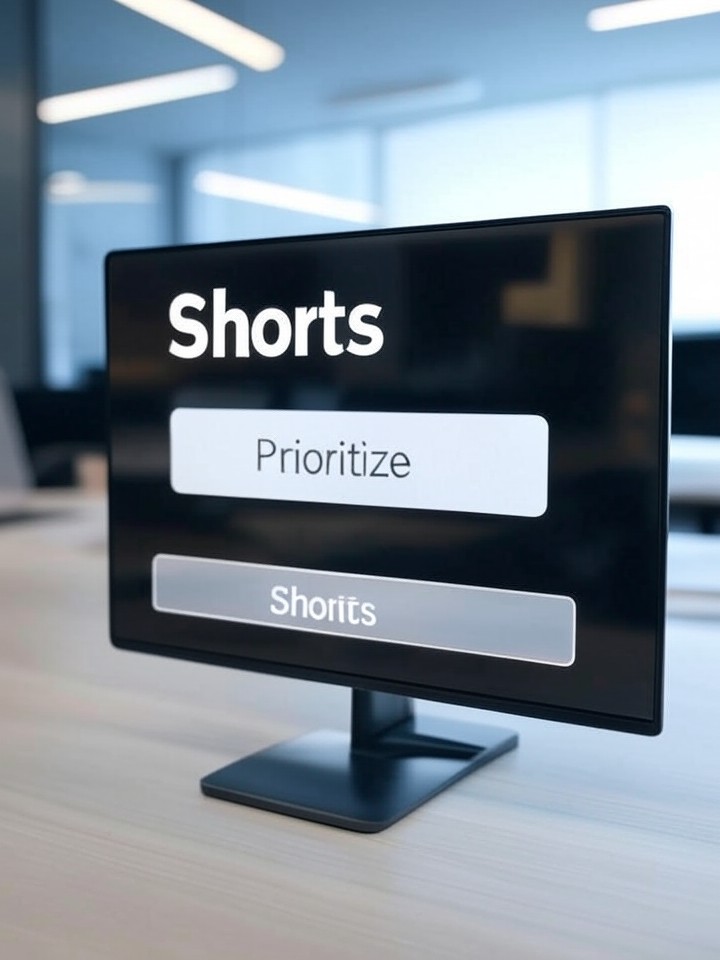
YouTube has implemented significant changes to its search functionalities as of early March 2026, aiming to improve users’ ability to discover relevant content amid a vast array of videos. The platform has introduced a dedicated Shorts filter, enabling users to specifically include or exclude short-form videos from their search results. This update addresses the needs of viewers who prefer longer content but often find their searches cluttered with brief clips.
The update also features a rebranding of the search sorting options, changing the “Sort by” menu to “Prioritize.” This alteration aims to streamline user choices, emphasizing options like “Most relevant” and “Upload date” while removing less-used filters such as “View count.” According to industry observers, this simplification could enhance user satisfaction by encouraging engagement with content that aligns more closely with individual search intents rather than merely popularity metrics.
Enhancing User Experience Through Streamlined Filters
The addition of the Shorts filter reflects a growing distinction between short-form and traditional long-form content. As noted in a post on the YouTube Community forum, this new functionality allows users to easily toggle between Shorts, long videos, live streams, and playlists. For creators specializing in extended content, this could potentially reduce competition from viral Shorts, increasing watch times and improving algorithmic performance.
Renaming the filter menu is more than a cosmetic change; it is a data-driven decision. A report from Business Standard highlights that the new “Prioritize” menu focuses on relevance and recency, moving away from view counts that may favor established channels over emerging creators. This shift could democratize content discovery, allowing smaller creators to gain visibility based on the quality of their work rather than their viral success.
YouTube’s ongoing algorithm enhancements support these changes. SocialBee reports that the platform’s algorithm now prioritizes viewer satisfaction signals such as watch time and engagement over raw view counts. By making search filters more user-friendly, YouTube is effectively encouraging users to interact in ways that generate positive data feedback, which can lead to better recommendations.
Implications for Creators and Marketers
The 2026 algorithm updates build on years of refinement, utilizing machine learning to better predict user preferences. According to VidIQ, factors such as click-through rates (CTR) and audience retention now significantly impact search results. With the new filters, users can avoid irrelevant content, which in turn informs the algorithm about the types of videos to promote more aggressively.
For content creators, adapting to these changes is crucial. Many industry figures have expressed on X their views on optimizing for the updated search features. A common strategy emerging is the focus on niche keywords and engaging thumbnails to take advantage of the “Most relevant” prioritization, as broader terms may be overshadowed by popular Shorts.
Furthermore, the removal of certain filters signifies YouTube’s commitment to quality over quantity. VeeFly reports that this overhaul seeks to enhance user experience by reducing decision fatigue. Creators producing evergreen content—such as timeless tutorials—may benefit from sustained traffic, while those relying on trending Shorts could face challenges if users increasingly filter them out.
The introduction of these features comes as video consumption trends evolve. YouTube’s new search capabilities allow it to carve out a stronger niche in educational and narrative-driven content, especially as competitors like TikTok dominate the short-form market. Some users have praised the ability to “filter out the noise” for more substantial viewing experiences.
While many anticipate positive outcomes, some creators express concerns. Analyses from Buffer reveal that focusing on Shorts through a dedicated filter may fragment audiences, potentially affecting the visibility of shorter content. This change compels creators to rethink monetization strategies that rely on ad impressions from quick videos.
As creators navigate these updates, they are encouraged to utilize YouTube’s analytics tools more effectively. According to 9to5Google, the platform’s Studio features now provide insights into how search patterns lead to views, helping refine titles and descriptions. Marketers are also engaging in discussions on X about incorporating these filters into their SEO strategies, emphasizing the need for content that aligns with user intent.
The broader implications of these updates extend to advertising as well. With more precise discovery, brands can target audiences more effectively, likely leading to higher conversion rates for sponsored content—especially in niches where long-form content builds trust.
Looking forward, these search updates reflect YouTube’s commitment to personalization within a crowded digital landscape. The Indian Express notes that the simplified interface may lower barriers to entry for new users, potentially expanding YouTube’s global audience. In regions with varying internet speeds, the ability to prioritize long-form or Shorts content could optimize the viewing experience.
As YouTube continues to evolve, industry insiders speculate about future integrations with AI-driven search features. The 2026 updates lay the groundwork for more personalized user experiences, suggesting that search mechanisms will develop into predictive tools. Creators are advised to diversify their output, blending Shorts with long-form content to navigate varying user preferences successfully.
In summary, YouTube’s efforts to enhance search features not only improve content discovery but also redefine success metrics within its platform. As engagement metrics become increasingly vital, the divide between casual viewing and in-depth exploration may reshape how content is produced and consumed across the globe.











