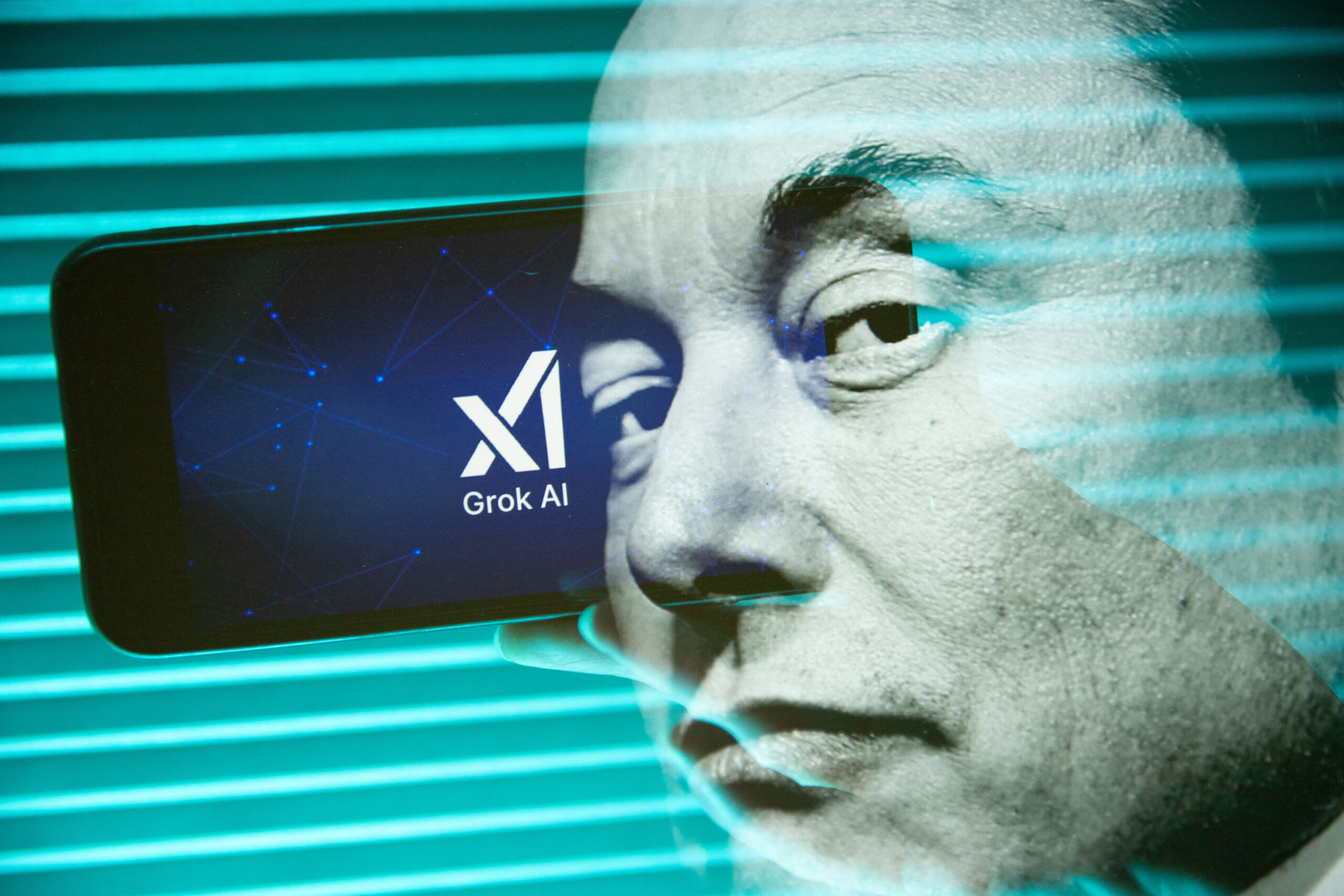
Elon Musk’s platform, X, has decided to restrict its Grok image editing tool from modifying photos of real individuals in revealing attire, such as bikinis. This decision follows significant backlash globally concerning the potential misuse of the tool to create sexualized images, particularly those involving minors.
In an announcement, X stated that it has implemented “technological measures to prevent the Grok account from allowing the editing of images of real people in revealing clothing.” The platform clarified that this restriction will apply to all users, including paid subscribers. The change comes after California’s Attorney General revealed that the state is investigating the proliferation of sexualized AI deepfakes generated by the Grok model.
Pressure from Regulators and Public Outcry
Prosecutors and regulators in both France and the UK are also scrutinizing Grok’s capabilities amid concerns about its potential to produce harmful content. Initially, X had limited the controversial “undress feature” of Grok to paying subscribers only. However, after the intensifying backlash, the platform decided to extend this restriction to all users.
“Additionally, image creation and the ability to edit images via the Grok account on the X platform are now only available to paid subscribers,” the platform stated. This change aims to enhance accountability for those who might misuse the tool in violation of legal and policy standards.
X has also taken further steps to geoblock the generation of images featuring real people in revealing clothing in regions where such content is illegal. This policy aims to mitigate legal risks and address growing concerns about the ethical implications of AI-generated images.
Legal Ramifications and Ongoing Investigations
In the UK, where Grok has faced fierce criticism, including from Prime Minister Keir Starmer, the communications regulator Ofcom is actively investigating X under the new Online Safety Act. If X is found to be in breach of the law, Ofcom could impose fines reaching up to 10% of the company’s global revenue or £18 million (approximately $24 million), whichever amount is greater.
This series of actions reflects a broader trend in the tech industry to address the ethical implications of artificial intelligence, particularly concerning the creation of potentially exploitative content. As regulatory scrutiny increases, companies like X will need to navigate a complex landscape of legal and ethical considerations related to AI technologies.