









































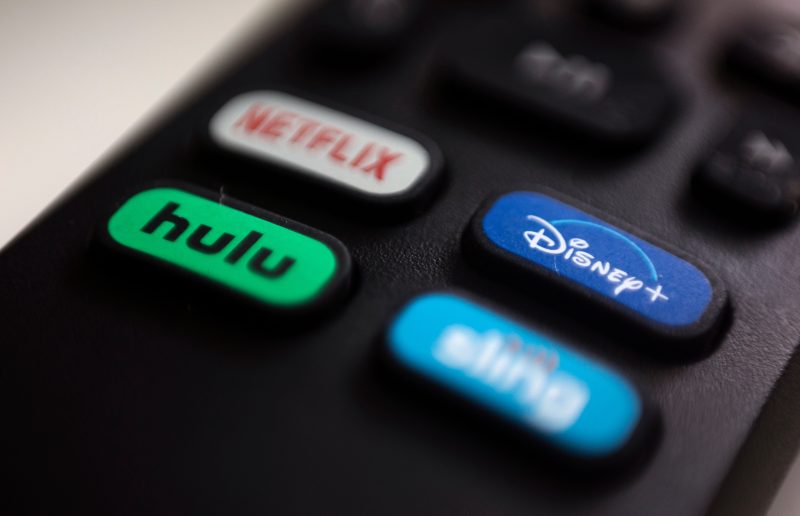
The rising costs associated with streaming services for videos and video games have led to a phenomenon dubbed “streamflation.” Consumers have begun to see noticeable increases in their credit card bills since August 2023, reflecting the heightened prices of popular platforms.
As more people turn to digital entertainment, companies like Netflix, Disney+, and Amazon Prime Video have adjusted their subscription fees. These price hikes have sparked discussions among consumers about their willingness to pay more for streaming content.
Understanding the Trend of Streamflation
“Streamflation” refers to the inflationary trend affecting streaming services, where subscription prices rise in response to increased operational costs, competition, and content production demands. For instance, in early 2023, Netflix raised its prices by approximately 10%, leading to a similar response from other major providers. Consumers now face subscription fees that can exceed $15 per month for standard plans.
In addition to subscription fees, many platforms are introducing new tiers, including ad-supported models. These changes aim to attract budget-conscious viewers while potentially increasing revenue streams for the companies involved. For example, Hulu has long offered a lower-cost ad-supported tier, which has gained popularity among users looking to minimize expenses.
Impact on Consumers and Market Dynamics
The ongoing adjustments in streaming prices have prompted concerns among consumers regarding their entertainment budgets. According to a recent survey, nearly 40% of respondents indicated that they would consider canceling one or more subscriptions if prices continued to rise.
This shift may also lead to a more competitive market, as companies strive to retain subscribers. The introduction of bundled services could become more prevalent, offering consumers a way to access multiple platforms at a reduced rate. For example, platforms may combine services, allowing users to subscribe to Disney+ and Hulu together for a discounted price.
As streaming platforms adapt to changing consumer preferences and economic conditions, the landscape of digital entertainment continues to evolve. The question remains: how will these price changes affect the industry in the long term? The concept of streamflation serves as a reminder of the delicate balance between consumer demand and corporate profitability.
In conclusion, while the rise in streaming prices may seem alarming to consumers, it reflects broader trends in the entertainment industry. Understanding streamflation is essential for consumers looking to navigate this changing landscape and make informed decisions regarding their subscriptions.
















