









































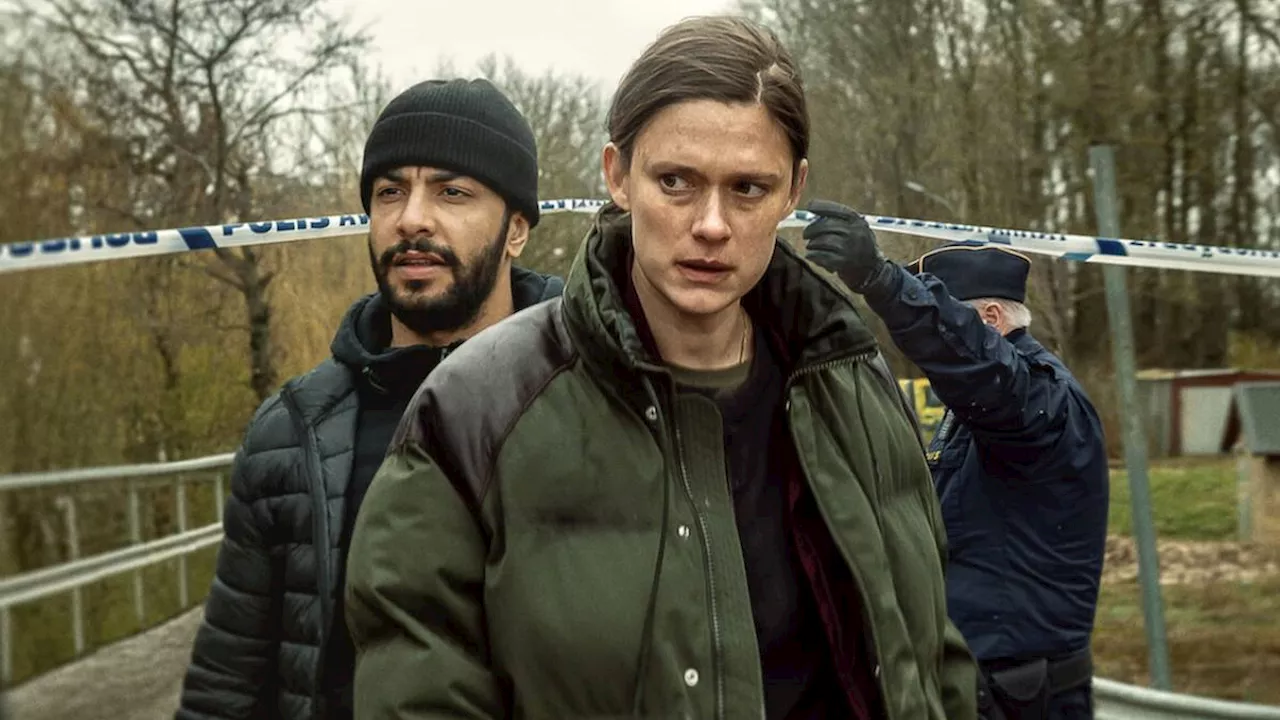
Netflix’s latest miniseries, Land of Sin, is a compelling addition to the Nordic noir genre that promises to engage fans of crime thrillers. Scheduled for release in 2026, the five-episode series is set in southern Sweden and showcases the distinctive visual and thematic elements that have come to define this style of storytelling.
Creator and director Peter Grönlund crafts a narrative that explores the complexities of morality and community rather than adhering to traditional hero-villain dynamics. Instead of clear-cut characters, the story presents individuals on both sides of the law, revealing the intricate web of relationships and societal pressures that complicate their lives.
Synopsis of ‘Land of Sin’
The story begins with the discovery of a local teenager, Silas, whose death is initially ruled as drowning. However, signs of assault suggest a darker reality. His father, Ivar, who is known for his troubled past, insists that police officer Dani Anttila investigate the case. Dani, struggling with her own personal issues and guilt, feels a deep connection to the case due to her relationship with Silas and her son, Oliver, who battles addiction.
As the investigation unfolds, Dani’s determination to uncover the truth intensifies, even as her emotional turmoil complicates her role. She is joined by her new partner, Malik, a rookie officer who is quick to prove his competence despite Dani’s initial skepticism. The narrative delves into the community’s hidden traumas and the secrets that threaten to unravel the lives of those involved.
Thematic Depth and Character Complexity
“Land of Sin pushes beyond the dismissive stereotypes applied to working-class communities,”
Grönlund noted, emphasizing the series’ focus on the human experience. The characters are portrayed with depth, showcasing their vulnerabilities and moral ambiguities. Dani’s portrayal draws comparisons to iconic figures in Nordic noir, such as Sarah Lund from the Danish series Forbrydelsen. Her raw, unfiltered performance captures the essence of a detective burdened by her past and present.
The cinematography enhances the storytelling, utilizing a mix of wide shots and intimate close-ups to convey the emotional weight of the characters’ experiences. Dani’s stoic demeanor often masks deep-seated pain, making her journey toward justice both compelling and relatable.
The series also reflects on broader socioeconomic issues, challenging viewers to confront the realities faced by those in struggling communities. It highlights how even the most flawed characters can exhibit loyalty and tenderness, complicating the viewer’s perception of right and wrong.
Despite its heavy themes, Land of Sin offers a nuanced conclusion that moves beyond despair. The narrative explores themes of redemption, healing, and the possibility of breaking destructive cycles, culminating in a resolution that resonates with emotional authenticity.
As anticipation builds for its release, Land of Sin stands out as a promising entry into the crime drama landscape. With its focus on character-driven storytelling and its commitment to exploring the human condition, it is poised to attract a wide audience and reaffirm the allure of Nordic noir on the global stage.
















