





























The entertainment landscape in 2025 is marked by an overwhelming surge of remakes, with major studios increasingly prioritizing established intellectual properties over original storytelling. This trend, while proving financially lucrative, raises questions about the industry’s creative direction. Upcoming remakes across various genres have ignited both excitement and skepticism among audiences, reflecting the complexities of this ongoing phenomenon.
Financial Success or Creative Stagnation?
Producers like Neal H. Moritz and Toby Asher are at the forefront of this trend, particularly with projects under Paramount Pictures. Their strategy appears focused on aggressively leveraging and expanding existing franchises, a move that seems to promise substantial box office returns. While the financial success of remakes cannot be denied, critics argue that this reliance signals a reluctance to invest in new, innovative ideas.
Among the anticipated remakes is a live-action adaptation of a beloved animated series being developed by Netflix. This project has sparked considerable concern among fans of the original, especially given the mixed reception of previous live-action adaptations. The studio has seen success with some anime remakes, yet the critical failures of past attempts raise doubts about the viability of translating animated stories into live action. The sentiment is echoed in the broader industry, where many view the trend with skepticism.
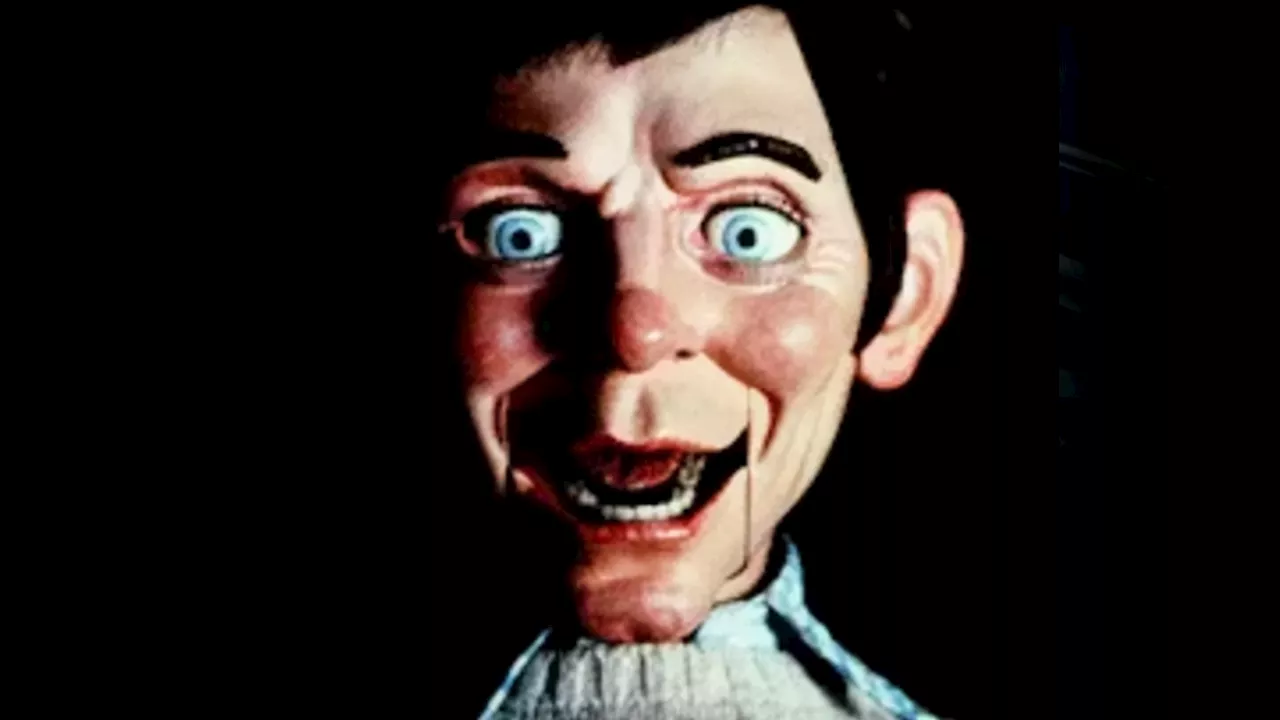
Another high-profile remake generating buzz is based on a film featuring Anthony Hopkins as a mentally unstable ventriloquist. The original story, which takes a dark turn as the ventriloquist falls in love, is set to receive a new interpretation. With Sam Raimi producing, fans of the horror genre are hopeful that his unique style will breathe new life into this story.
Star Power and Audience Expectations
The remake landscape of 2025 also includes an adaptation directed by Joseph Kosinski, known for his visually stunning films. Stars Michael B. Jordan and Austin Butler are reportedly in talks to lead the cast, generating considerable excitement among fans and industry insiders alike. This pairing of two popular actors could elevate the film’s profile, though it remains to be seen whether it will meet audience expectations.
The momentum surrounding these remakes underscores a significant trend within the industry. While some remakes hold the potential for fresh interpretations, others are viewed as unnecessary retreads of stories that have already been told. The critical failures of past adaptations, particularly those that failed to capture the essence of their source material, serve as cautionary tales for studios willing to invest in familiar narratives.
As 2025 progresses, the conversation surrounding remakes is likely to evolve. Audiences are increasingly vocal about their preferences, and the balance between financial success and creative integrity will continue to be a focal point for studios navigating this complex landscape. The year has already demonstrated that while remakes can be a profitable model, the question of their artistic value remains unresolved.
In conclusion, the entertainment industry in 2025 stands at a crossroads, where the allure of financial gain must be weighed against the imperative for originality. As fans eagerly await these upcoming projects, the challenge for studios will be to deliver remakes that not only succeed at the box office but also resonate with audiences seeking new narratives.