




































The latest adaptation of the iconic horror story, **”Dracula,”** directed by **Luc Besson**, takes a bold departure from traditional vampire lore, prioritizing romance over terror. This film, based on **Bram Stoker’s** 1897 novel, repositions the infamous count as a lovesick character, driven more by heartache than a thirst for blood. While the film’s release in the United States has dropped its original European subtitle, its central theme remains clear: a tragic love story entwined with vampiric elements.
Set in the mid-15th century, the narrative introduces **Vlad the Impaler**, portrayed as a passionate prince who finds love in **Elisabeta**. Their idyllic honeymoon is brutally interrupted when **Ottoman forces** kill Elisabeta, igniting Vlad’s fury and leading him to renounce God. In a twist of fate, this heartbreak grants him immortality, which he spends the next four centuries searching for Elisabeta’s reincarnation.
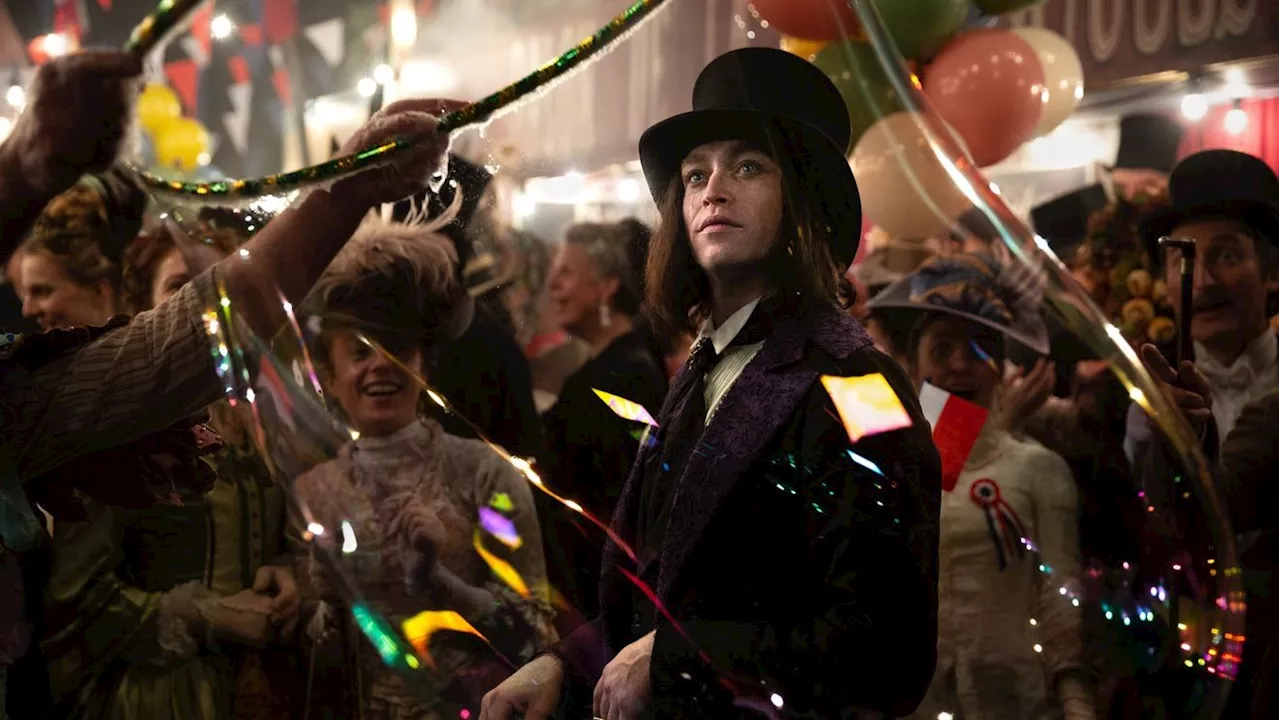
Besson’s interpretation diverges significantly from Stoker’s original work, omitting the Gothic horror elements that defined the Victorian novel. Instead, he draws inspiration from other cinematic portrayals, particularly from **Francis Ford Coppola’s** 1992 film, which also explored the theme of reincarnation. The film borrows visual cues from **Gary Oldman**’s portrayal of Dracula, featuring striking similarities in costume and makeup. Vlad’s transformation from a gaunt, aged vampire to a charming figure in a top hat and suit echoes this earlier adaptation, although Besson’s take lacks the gravitas of Coppola’s narrative.
In a notable departure, Besson introduces a peculiar twist to Dracula’s powers. Rather than relying on traditional mind control, Vlad employs a concocted perfume designed to attract women in hopes of finding his beloved. This gimmick, while intended to add flavor to the narrative, might not resonate with purists of the vampire genre. When he finally encounters **Mina**, portrayed as the reincarnated Elisabeta, he chooses not to use this method to win her affection, opting instead for a more direct approach.
The film takes Vlad to **Paris**, where he seeks to reclaim his lost love. Forgetting the typical constraints of vampire lore, such as the need for a coffin and Transylvanian soil for travel, Besson’s Dracula arrives in the city with an air of entitlement. His pursuit of Mina leads him to unleash one of his minions to facilitate their romantic connection—a move that arguably undermines the film’s tension and stakes.
Notably, **Christoph Waltz** appears as a Vatican priest, providing a pseudo-narrative role as Dracula’s pursuer. His character offers commentary on the historical context of Dracula’s existence, although the stakes feel diminished as the church’s efforts to stop him lack conviction.
Despite some shortcomings, particularly in the film’s CGI effects, **Besson’s** portrayal of Dracula as a heartbroken figure allows viewers to connect with the character on a more emotional level. His quest for love, rather than a desire to create an army of the undead, reshapes the familiar narrative into one of yearning and redemption.
While the film’s romantic focus may alienate some fans of the horror genre, it undeniably presents a fresh interpretation of a classic story. Had it been titled something akin to “Casanova,” the reception might have been less scrutinized. Ultimately, Besson’s version of **”Dracula”** serves as a reminder that even the darkest tales can be reimagined through the lens of love and loss.
















