


































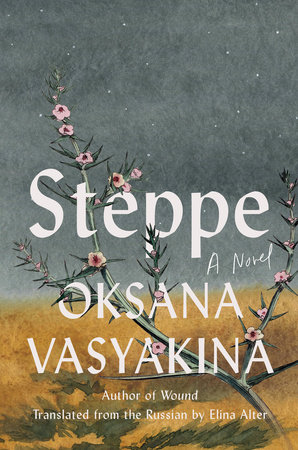
The steppe, a vast expanse of land characterized by rolling hills and sparse vegetation, serves as both a backdrop and a central character in the life of many who traverse its open spaces. In a recent narrative by Oksana Vasyakina, the complexities of life amid this landscape are vividly portrayed, revealing the intricate relationship between man, his profession, and the unforgiving nature of the environment.
Vasyakina’s depiction begins with the stark beauty of the steppe, likening it to a sinewy piece of yellow meat, veined with dark-orange lines resembling serpents. This imagery captures not only the physical appearance of the land but also hints at the life that thrives within it. Grasses in shades of gray and blue, alongside various insects and snakes, illustrate the steppe’s rich ecosystem, contradicting the notion that it is merely barren.
While driving along the steppe, the author reflects on the wisdom imparted by his father, a truck driver who navigated this challenging terrain with cargo ranging from steel pipes to chickens. Vasyakina recounts a harrowing experience on the road to Volgograd, where his father, burdened by fatigue, fell asleep at the wheel. In a shocking turn of events, his truck collided with a speeding vehicle driven by two intoxicated traffic officers, resulting in their deaths. For his father, this incident felt like a twisted form of justice, revealing a complex moral landscape shaped by the harsh realities of life on the steppe.
Life as a Long-Distance Trucker
The life of a long-distance trucker is fraught with challenges, especially when transporting perishable goods. Vasyakina paints a vivid picture of the struggles faced when transporting chickens that inevitably perish in the heat, creating a grim scene of limp carcasses and foul odors. In contrast, transporting pipes, while tedious, provides a sense of security; they are heavy and less likely to be stolen. His father’s preference for this cargo illustrates a desire for simplicity amid the chaos of his profession.
Once a flourishing agricultural area, the steppe now resembles a desolate wasteland, punctuated only by remnants of abandoned irrigation systems. Vasyakina reflects on the past when the land was meticulously cultivated, yielding bountiful harvests of tomatoes, pumpkins, and wheat. However, as time passed and communal farms disintegrated, the once-thriving land fell into disrepair, leaving behind rusting pipes that became targets for theft.
The narrative takes a turn when Vasyakina reveals how individuals exploit the abandoned resources of the steppe. Small-time entrepreneurs hire trucks to transport stolen pipes, a practice that underscores the desperation and moral ambiguity that pervades the area. His father experiences this firsthand when he is instructed to transport a load of pipes to Moscow, only to return them to their original location due to a bureaucratic oversight. For him, the lack of concern for the absurdity of this cycle is overshadowed by the assurance of payment.
Enduring the Steppe
As the days stretch into an unending wait for cargo, Vasyakina captures the essence of life on the steppe. Time becomes elastic, and the mundane tasks of eating and living take on new significance. The author recalls moments spent in the truck, waiting for contacts who never arrive, transforming the experience into a lesson about patience and existence.
The landscape itself is both beautiful and unforgiving. Days are spent in the relentless sun, where the vastness of the steppe feels overwhelming. Nights bring a different kind of challenge, with the darkness filled with the sounds of chirping insects and the oppressive heat that lingers. The steppe, in all its starkness, demands acknowledgment and acceptance, inviting those who traverse it to confront their own mortality.
Vasyakina’s father embodies the spirit of the steppe, finding solace in its boundless space. For him, the steppe is home—an expansive realm that offers a sense of freedom, albeit one tinged with sorrow and solitude. His relationship with the land reflects a deeper longing for connection and belonging in a world that often feels indifferent.
The narrative culminates in a poignant moment of loss when Vasyakina’s father, while reveling in the beauty of spring, loses his hard-earned money to the very steppe he adores. This incident symbolizes the eternal struggle between man and nature—a reminder that, despite the vastness of the landscape, one can feel both liberated and trapped within its confines.
Through Vasyakina’s lens, the steppe emerges not just as a physical space but as a profound entity influencing the lives of those who navigate its territory. The story resonates with themes of resilience, moral complexity, and the intricate dance between humanity and the natural world. In this way, life on the steppe is not merely about survival; it is about understanding one’s place in a vast and often unyielding landscape.
















