









































The longevity of successful film franchises stands as a significant achievement in modern cinema. While many films enjoy brief popularity, a select few have sustained their appeal for decades, continually capturing audience interest and generating substantial revenue. This article examines the factors contributing to the enduring success of notable franchises and their ability to adapt to changing cultural landscapes.
One of the most iconic examples is the franchise that began in 1981 with Sam Raimi’s low-budget horror film, featuring the character Ash Williams. Blending visceral gore with campy humor, the franchise maintained its relevance through various adaptations, including a successful television series that transitioned the narrative into an urban setting. This series not only expanded the franchise’s reach but also grossed over $147 million at the global box office, showcasing its commercial viability.
The Alien franchise, which introduced audiences to the industrial horror of the Nostromo and the formidable character Ellen Ripley, exemplifies a successful evolution. Initially launched in 1979, the franchise has navigated through tonal shifts, from the action-driven sequel directed by James Cameron in 1986 to philosophical prequels in the 2010s. The upcoming release of a new television series in 2024, created by Noah Hawley, promises to further explore the franchise’s legacy by delving into the creature’s origins.
Similarly, the Star Wars franchise has thrived for over four decades, transforming into a vast interconnected universe encompassing films, animation, and live-action television. Following the conclusion of the primary theatrical narrative, the franchise leveraged the launch of Disney+ to expand its storytelling through series like The Mandalorian, which introduced new characters and stabilized the brand’s popularity during a transition away from cinemas. The next installment, set for release on May 22, 2026, is expected to anchor a new wave of theatrical projects.
The Rocky franchise, introduced in 1976, has also evolved significantly. Originating as a gritty character study featuring Sylvester Stallone as Rocky Balboa, the franchise has effectively shifted focus to Adonis Creed, the son of Rocky’s former rival. This transition has allowed the series to explore contemporary themes while retaining its foundational spirit. The latest installment, released in 2023, received critical acclaim and achieved record-breaking box office returns.
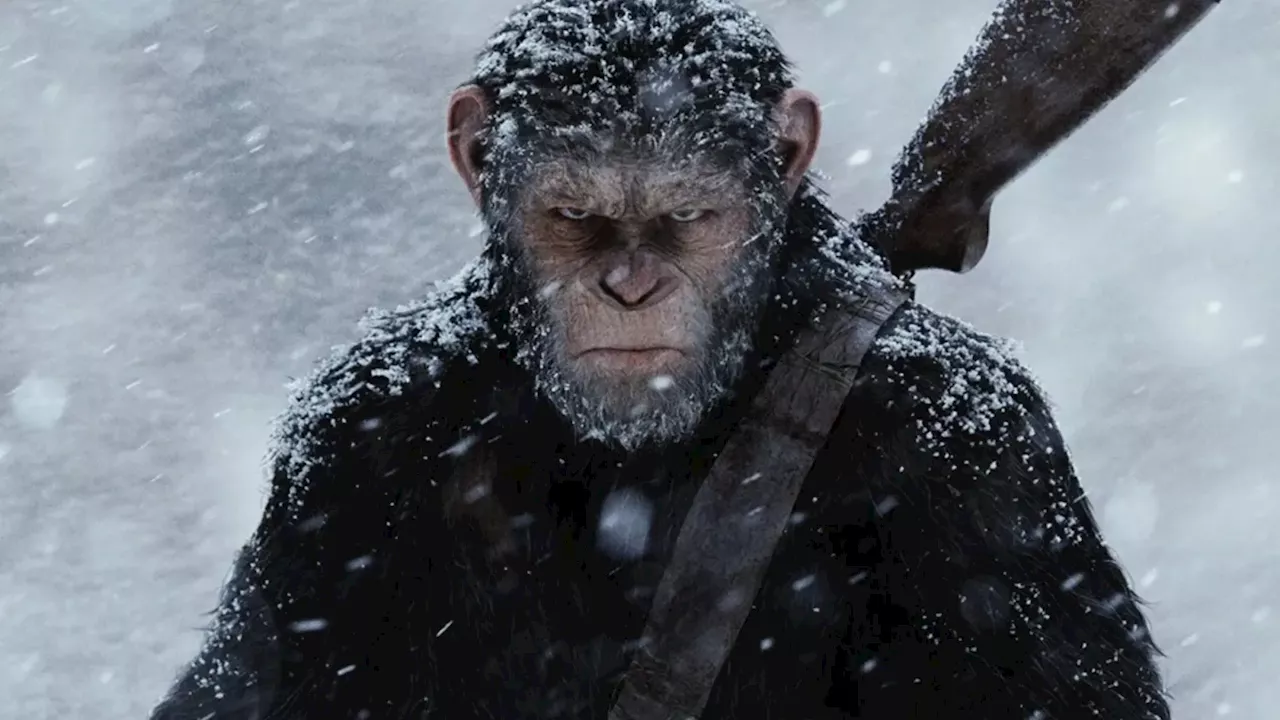
In the realm of science fiction, the Planet of the Apes franchise has maintained its relevance by utilizing sophisticated social allegory and visual technology. The original series laid a philosophical foundation, while the recent films have continued to explore the evolution of ape society. The success of the 2024 release highlighted the audience’s investment in the narrative, even without the original character of Caesar.
The James Bond franchise remains a prominent example of longevity, having produced 25 official films since its inception in 1962. The series has adapted by periodically introducing new actors and updating its geopolitical context. Following Amazon’s acquisition of MGM, the franchise is set for a significant reboot, with Steven Knight penning the screenplay for the upcoming 26th installment. The studio aims to release the film by 2028, intending to modernize the franchise while respecting its storied legacy.
The Godzilla franchise, which debuted in 1954, holds the record for the longest-running continuous film series, producing 38 films across various continuities. Transitioning from a metaphor for nuclear devastation to a global pop-culture icon, the franchise has thrived with both domestic and international productions. The recent film, which won an Academy Award, demonstrated its capacity to deliver sophisticated narratives while appealing to diverse audiences.
These franchises highlight the dynamic nature of modern cinema, showcasing how successful storytelling can evolve over time. As they adapt to new cultural contexts and technological advancements, the ability of these films to resonate with both original and new audiences underscores their lasting impact on the cinematic landscape. The question remains: which franchise has best navigated the challenges of modernization while maintaining its core identity? The ongoing developments in this realm will certainly continue to capture public interest.
















