









































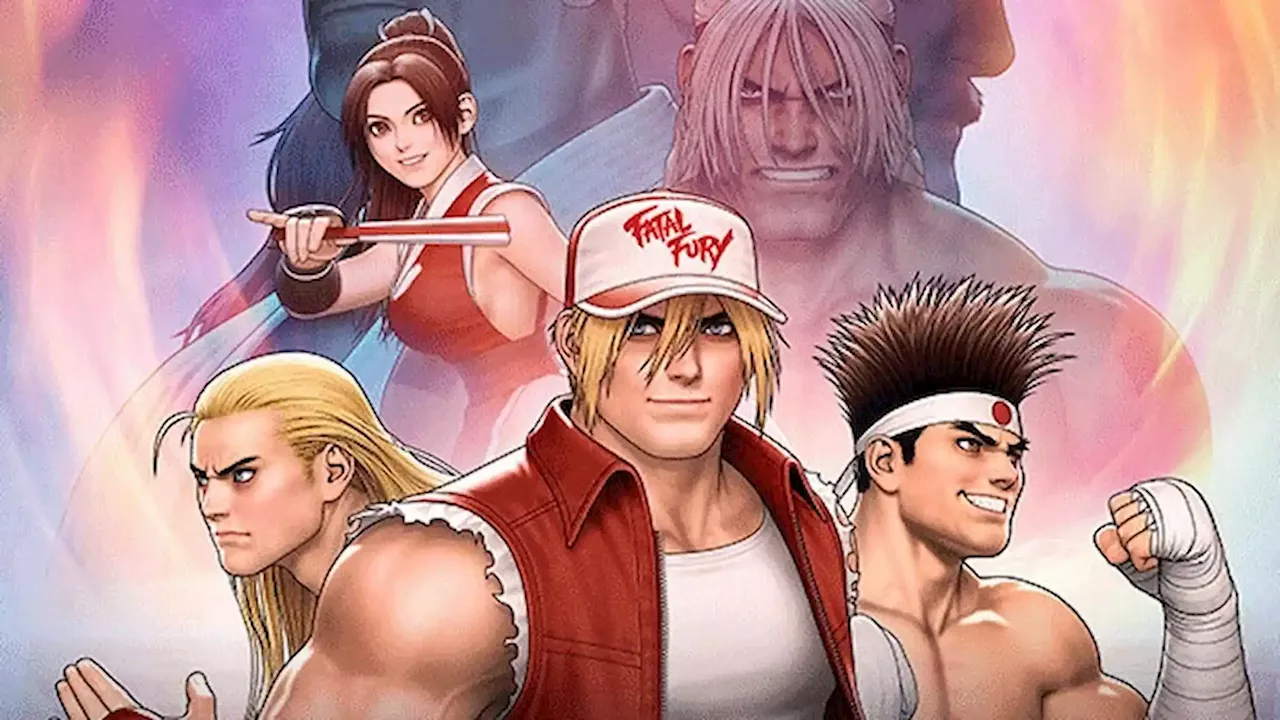
A highly anticipated fighting game has faced significant backlash following its launch, primarily due to a series of controversial decisions that alienated its dedicated fanbase. These missteps, which include the introduction of questionable character inclusions and reliance on AI-generated content, have severely tarnished the game’s reputation and driven many players away.
The game’s return, positioned as a revival of a beloved franchise, initially sparked excitement among fans. Promising to deliver classic characters and visually captivating gameplay, the launch was met with high expectations. Yet, as negative feedback began to surface, enthusiasm waned, resulting in many potential buyers hesitating to purchase the title upon its release.
One of the pivotal issues stemmed from the acquisition of SNK by interests in Saudi Arabia. Despite assurances from the company that its vision remained unchanged, decisions made post-acquisition raised concerns among fans about the future direction of the game. Connectivity issues during beta testing marred the online experience, making it difficult for players to enjoy matches. Coupled with performance problems and a limited character roster, these issues fostered distrust within the community.
The frustration intensified with the announcement of controversial character inclusions, such as a football superstar and a DJ. This choice marked a departure from the traditional guest characters typically seen in fighting games, leading many core fans to feel alienated. Although the gameplay mechanics associated with these new characters were intriguing, their presence overshadowed the anticipated return of classic SNK characters.
The situation deteriorated further with the announcement of a second season of downloadable content (DLC). Instead of focusing on winning back disgruntled fans, the DLC was promoted via a trailer that featured AI-generated art. This decision sparked outrage, especially given the rich artistic history of SNK. Many viewed the use of inferior AI-generated visuals as a disregard for the franchise’s legacy, particularly after a renowned animator had previously contributed to the DLC. This choice has only solidified the game’s negative reputation, making it increasingly challenging for the title to regain the trust of its community.
The ongoing struggles of this fighting game underscore the delicate balance required to maintain a dedicated audience. While consistent content updates, balance patches, and engaging new features are vital for the genre’s success, poor decision-making can quickly alienate loyal fans. The case of this title serves as a cautionary tale highlighting how even well-loved franchises can falter amidst missteps, particularly when influenced by external ownership and creative choices.
As the situation unfolds, the future of the game hangs in the balance. Whether SNK can address these concerns and rebuild its relationship with the community remains uncertain. For now, the fighting game landscape is witnessing the repercussions of decisions that have left many fans disappointed and disillusioned.
















