









































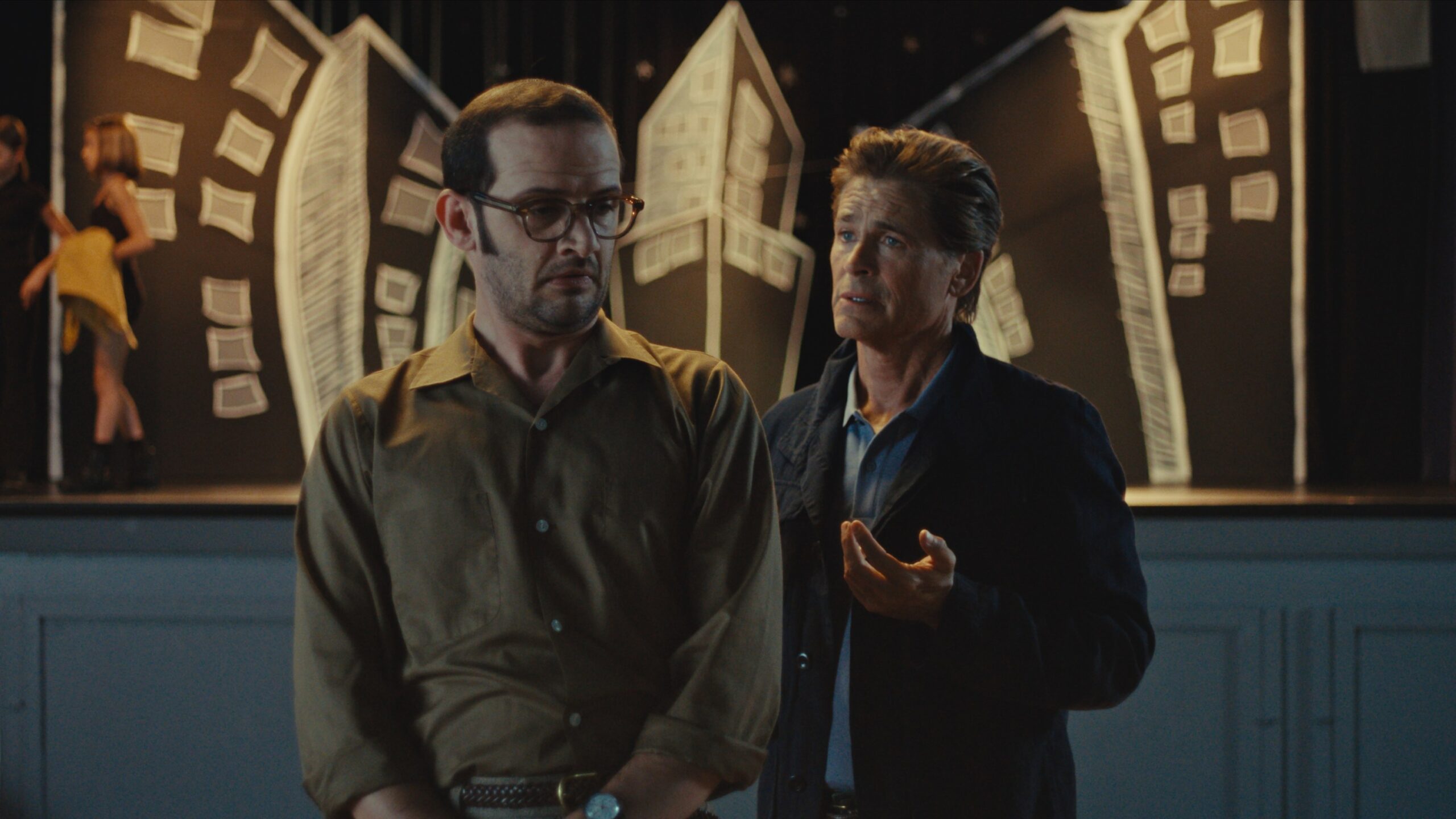
A new film titled The Musical, directed by Giselle Bonilla, premiered at the 2026 Sundance Film Festival, blending dark humor with a provocative narrative. The story follows middle school teacher Doug, played by Will Brill, who, feeling resentful after his ex-girlfriend (portrayed by Gillian Jacobs) begins dating their boss, embarks on a controversial scheme. Doug secretly prepares his students to perform a musical about the events of September 11 under the pretense of staging West Side Story.
The film captures the entitled bitterness reminiscent of Election, juxtaposed with the chaotic spirit of School of Rock. Through Doug’s misguided actions, Bonilla explores themes of male resentment and its destructive consequences. The character is notably designed to evoke comparisons to former political advisor Stephen Miller, emphasizing a narrative steeped in critique of white male privilege.
Doug’s character, a frustrated playwright turned middle school teacher, embodies a sense of self-pity. He frequently reflects on his perceived failures, stating, “I bet Eugene O’Neill never had to work at a middle school.” This internal monologue is underscored by a jazzy saxophone, framing him as a jilted anti-hero. Yet, his perspective remains limited, often relegating other characters, such as Abigail, to mere plot devices through his lens.
The film introduces Principal Brady, played by Rob Lowe, as an antagonist who embodies the qualities Doug despises. Brady’s self-serving nature and superficial charm serve to amplify Doug’s motivations, yet the film offers little exploration into the complexities of these relationships.
Doug’s treatment of his students raises ethical questions about his influence as an educator. He manipulates their minds, turning his frustrations into “teachable moments.” For instance, he advises a Latina student upset by casting choices, stating, “The thing about life is that sometimes you win, but sometimes you have to watch your enemy steal what could have been yours.” This misguided mentorship suggests a troubling dynamic between teacher and student, as Doug views them as tools for his own vendetta rather than individuals to be nurtured.
Despite its shortcomings, The Musical demonstrates Bonilla’s skill in navigating the film’s tonal complexities. The comedic elements, particularly in the original musical sequence titled Heroes, evoke laughter, even if the humor often feels stale or overly familiar. The use of taboo topics like 9/11 raises eyebrows, yet the film fails to clarify its significance and ultimately neglects deeper character insights.
While Doug’s narrative is steeped in resentment, the film ultimately critiques this mindset, suggesting that such attitudes are prevalent in contemporary society. Doug’s statement, “Everybody talks about the power of love, but nobody talks about the power of spite,” reflects a broader commentary on societal frustrations, but the film struggles to elevate this message beyond its surface-level observations.
In summary, The Musical emerges as a thought-provoking yet imperfect exploration of bitterness and entitlement. It captures the essence of discontent in a world where past grievances resonate loudly. As it seeks U.S. distribution, audiences may find value in its audacious approach, even if its execution leaves room for improvement.
















