
























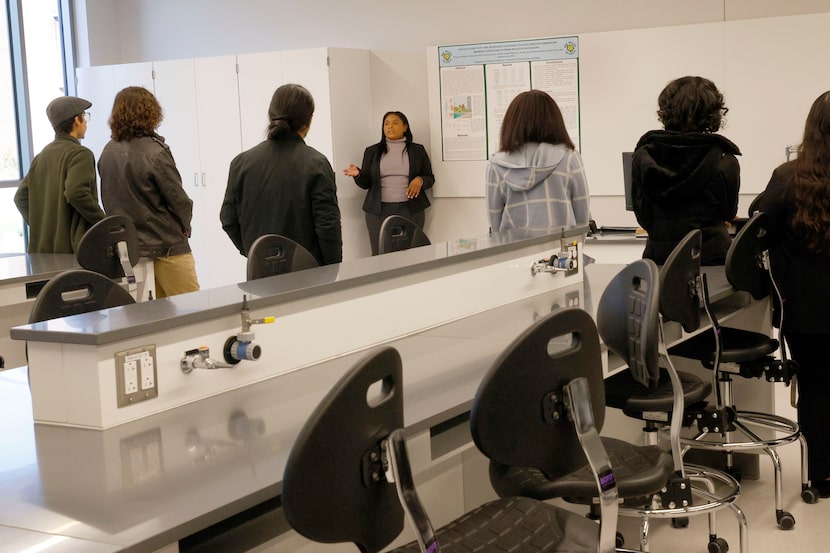
The University of North Texas at Dallas (UNT Dallas) is set to open a new STEM center aimed at addressing the critical shortage of healthcare workers in Texas while also providing local residents with pathways to well-paying jobs. The $100 million facility will begin offering classes in March 2024, featuring accelerated programs in pharmacy and a dual degree in public health and nursing in collaboration with UNT Health. Local leaders view this initiative as a significant investment in both the healthcare sector and the economic development of southern Dallas.
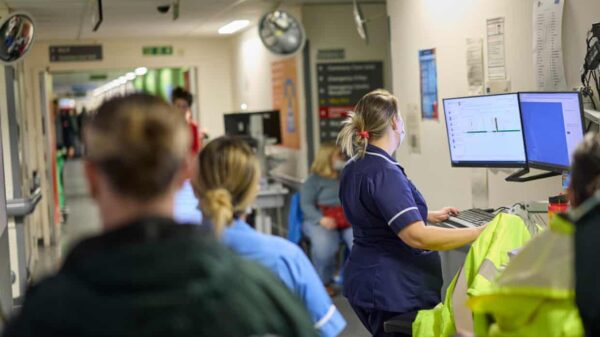
The new center will provide an accelerated pathway for students, enabling them to join the workforce more quickly and affordably. With a projected shortage of over 15,000 nurses in North Texas by 2032, according to state data, the demand for healthcare professionals is urgent. The initiative comes at a time when healthcare systems across Texas are struggling to meet the needs of an aging population.
Warren Von Eschenbach, President of UNT Dallas, emphasized the university’s commitment to serving the community. He noted that the expansion aims to prepare more local students for high-demand jobs in healthcare, particularly in southern Dallas, where residents experience higher rates of chronic diseases and lower life expectancy compared to other areas in the county.
Addressing Workforce Shortages and Economic Disparities
The majority of healthcare facilities are concentrated in the northern half of Dallas, leaving southern neighborhoods underserved. The new STEM center is part of a broader strategy by local officials to tackle racial disparities in the workforce and lift families out of poverty.
Lynn McBee, Dallas’ workforce director, described the STEM center as a means to cultivate “homegrown talent,” an initiative she has championed since taking office in 2022. With approximately 3,500 students enrolled, 70% of whom are first-generation college attendees, UNT Dallas serves as a vital educational resource in the region. About 93% of its students hail from the Dallas-Fort Worth area, underscoring the university’s local impact.
“It’s exciting to see more people gaining access to high-demand careers that offer sustainable living wages,” McBee stated. “We need our higher education institutions to help fill these workforce shortages.”
The new facility will add 18 classrooms and 12 laboratories to the campus, along with more faculty offices and over $1 million in new equipment. These enhancements will provide students with improved hands-on training opportunities, crucial for success in competitive healthcare fields.
Community Impact and Future Growth
Students like Samantha Cadena, a junior studying biology and chemistry, express enthusiasm for the new center. “It really makes me feel seen,” she said, referring to the additional resources that will enhance her learning experience as she prepares for physician assistant school. Cadena intends to return to Oak Cliff after her studies to assist Spanish-speaking patients in navigating the healthcare system.
Local leaders are optimistic that this expansion will stimulate economic growth in a historically underserved region. At a recent ceremony, state Senator Royce West expressed his vision for UNT Dallas, aiming for an enrollment of 30,000 students in the future, positioning the university as one of Dallas’ largest employers.
To further bolster its offerings, UNT Dallas plans to add student housing, athletic facilities, and a business school building. Peter Brodsky, CEO of the Shops at Redbird, highlighted the potential for new developments in the area, which could create a thriving community around the university.
Looking ahead, partnerships between UNT Dallas’ science programs and local biotechnology firms could pave the way for students to enter the growing life sciences industry in Dallas. McBee noted that students equipped with research and laboratory experience will find themselves well-prepared for roles in this expanding sector.
The university’s expansion reflects a critical investment in the workforce, education, and economic vitality of southern Dallas, addressing both immediate healthcare needs and long-term community growth.