







































Significant changes are on the horizon for graduate nursing students in the United States as the Trump administration moves to redefine the classification of nursing degrees. Starting in July 2026, new loan caps will limit the amount of federal financial aid available to nursing graduates, a shift that has prompted urgent calls for action from the University of Rochester’s nursing faculty.
The proposed adjustments include designating nursing as a non-professional degree, which would impose a borrowing limit of $20,500 annually for graduate students, significantly lower than the previous model that allowed students to borrow up to the full cost of attendance. This move, part of the administration’s broader educational reforms under the “Big, Beautiful Bill,” aims to curtail what officials describe as “unsustainable student loan borrowing.”
Alison Henry, chief nurse anesthetist at Strong Memorial and Golisano Children’s Hospital, expressed concern over these changes. “Capping how much a student can borrow could deter potential students from pursuing this vital profession,” she stated. Henry will oversee a new nurse anesthesia degree program set to launch in 2027 and emphasized the growing need for specialized nurses as the population ages.
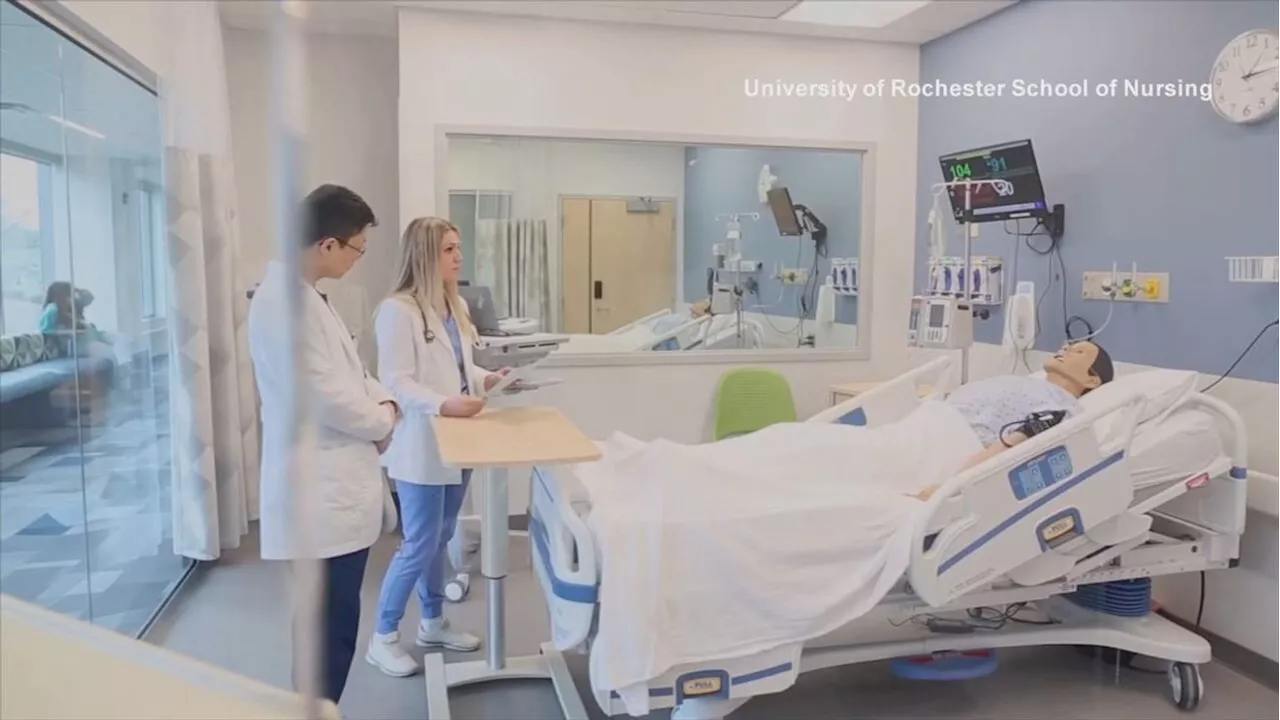
The University of Rochester’s School of Nursing houses approximately 900 students, most of whom are enrolled in master’s and doctoral programs. According to Kitko, a nursing faculty member, the intensity of these programs leaves little opportunity for students to earn income while studying. “These loans are essential for covering housing and living expenses during their education,” she noted.
The administration’s initiative also aims to cap Parent PLUS Loans and eliminate the Grad Plus Program, which has been a significant source of funding for many graduate students. Critics argue that these changes could result in a workforce shortage in critical medical fields, including nursing, physical therapy, and occupational therapy. “The economic backbone of our region relies heavily on medical professions, with nursing being integral,” Kitko added.
Both Henry and Kitko are urging community members to advocate for nursing as a professional degree. They are encouraging the public to contact their congressional representatives to push for higher loan caps for nursing students. “This is necessary for the future health outcomes of our community here in Rochester,” Henry emphasized.
As the demand for skilled healthcare professionals continues to grow, the implications of these proposed loan caps could resonate beyond the University of Rochester. With the nursing profession already facing workforce shortages, stakeholders are calling for immediate attention to ensure that future generations of nurses can access the education and resources they need to succeed.