






































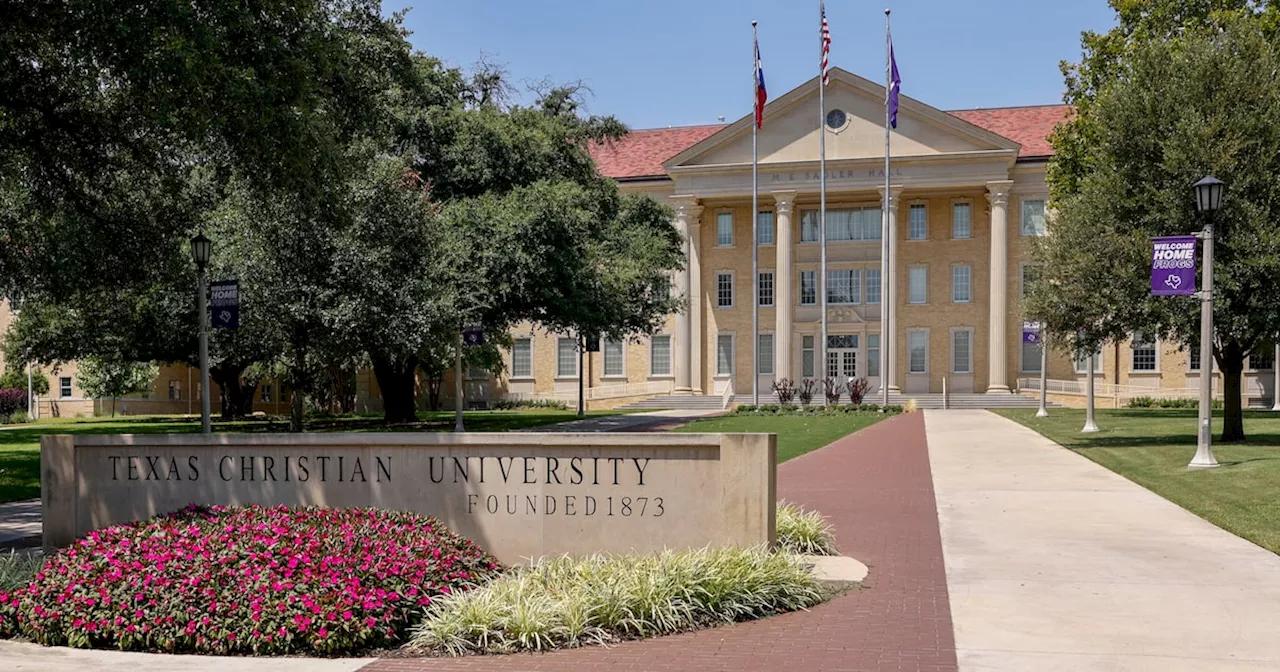
Texas Christian University (TCU) has announced the consolidation of its departments for comparative race and ethnic studies and women and gender studies into the English department. This change, effective next year, is attributed to financial considerations and low enrollment numbers in the affected programs. While university officials maintain that the decision is purely based on data, some faculty members suggest it may reflect broader political pressures concerning race and gender education.
TCU’s Provost, Floyd Wormley Jr., communicated in an October email that the university must ensure “institutional fiscal sustainability” and optimize the use of faculty resources. Enrollment in both programs has consistently lagged behind other academic fields. The comparative race and ethnic studies department was established in 2017, while the women and gender studies department has faced challenges in finding its place within TCU’s organizational structure.
Professors express concern that the consolidation aligns with a national trend where some lawmakers advocate for reducing perceived liberal bias on campuses. Brandon Manning, an associate professor of English and affiliate faculty member in the impacted departments, highlighted that one of his students, who identifies as Black, conveyed feelings of neglect regarding the university’s commitment to Black students. Manning stated, “While the classes are there, the sense of erasure feels ever present.” He emphasized the importance of having an intellectual home for students, suggesting that without dedicated departments, the visibility and accessibility of these fields would diminish.
University spokesperson Greg Staley clarified that the decision is not influenced by external pressures but is based on an extensive review of class sizes and course demand conducted over the past two years. TCU is also merging its Spanish and modern languages departments along with its geology and environmental sciences departments as part of a broader effort to streamline operations.
Critics argue that the financial justification lacks substance, especially as TCU is currently in a growth phase. Manning noted, “We’ve had moments where we’ve been like, ‘Okay, we need to be a little bit more frugal,’ but that is not the moment that the institution is presently in.” This perspective resonates with concerns regarding a potential shift in the university’s academic priorities.
The impact of these changes is not isolated to TCU. Institutions across North Texas have felt the influence of political shifts, particularly during the administration of former President Donald Trump, which saw the dismantling of various diversity and inclusion initiatives. Some local universities have opted against program consolidations, with Southern Methodist University confirming it has no current plans to merge academic programs.
Despite the restructuring, Staley reassured that TCU remains committed to offering courses in race and gender studies. The university aims to adapt to changing educational landscapes while maintaining the integrity of its academic offerings. Yet, the lack of consultation with faculty prior to the consolidation announcement has raised eyebrows among educators, traditionally accustomed to collaborative decision-making processes.
As TCU navigates this transition, the broader implications for race and gender studies in higher education remain a topic of intense discussion. Manning articulated a sentiment shared by many: “It’s indicative of where we are at this moment: the real assault on higher education over the past year.” The outcome of these consolidations will likely influence the university’s academic landscape and its engagement with critical social issues moving forward.