









































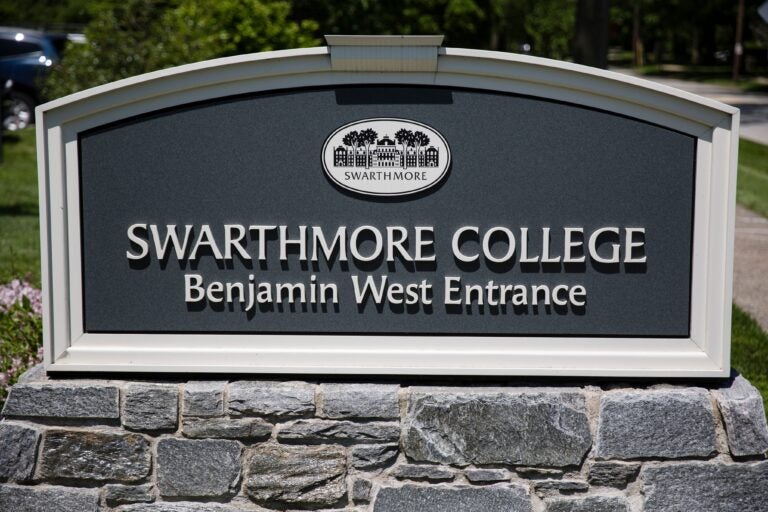
Eight students at Swarthmore College are facing potential expulsion for distributing protest materials deemed by the administration as “violent” and “intimidating.” The materials criticize members of the college’s board of managers for their ties to Israel, using imagery and rhetoric that the college claims “threatened, intimidated, and/or promoted potential violence on campus.”
In letters sent to the students by Erin Kaplan, associate dean and director of student conduct, several “charges” were outlined, suggesting violations of the student Code of Conduct. Allegations include “bullying and intimidation,” “endangerment or infliction of physical harm,” and “unauthorized use of college resources and services.” While not all students were charged with every violation, some faced accusations of distributing flyers featuring what the administration categorized as threatening imagery.
The letters indicate that students found “responsible” could face sanctions including expulsion. An independent panel composed of peers, faculty, and students will review and adjudicate their cases. One student, referred to as Taylor, expressed shock at the college’s actions, asserting that the administration is misrepresenting the content and intent of the materials. “It’s not advocating for violent action,” Taylor explained, emphasizing the focus on understanding the potential risks of peaceful resistance.
Andy Hirsch, Swarthmore’s vice president for communications and marketing, highlighted the college’s commitment to free expression, stating that no students are facing charges for their views. He described expulsion as “extremely rare” and reserved for the most severe violations. The college’s stance, however, has drawn criticism from students and supporters of free speech.
Content of the Controversial Materials
The literature in question, referred to as a “zine” by the students, features a collage of photos of the board members with a firearm scope’s crosshairs superimposed over them. The title reads “Public enemy No. 1: The Swarthmore board of managers.” The subsequent page includes a headline stating, “Why you should hate the board,” accusing members of investing in companies contradicting the college’s values related to diversity, equity, inclusion, and environmentalism.
The zine specifically names seven board members, including current chair Harold Kalkstein and incoming chair Harold Gustavo Schwed, alleging that their financial ties benefit companies involved with Israel. The portrayal of these individuals with exaggerated features, such as devil’s horns, has raised concerns about the potential for perceived threats.
Taylor clarified that the crosshairs were not intended to target individuals, but rather as a general statement opposing the board’s actions. They likened the imagery to that used in popular culture, suggesting that it represents a critique of the board’s alignment with interests contrary to the college community.
Debate Over Free Speech and Conduct Standards
Legal experts have weighed in on the implications of the college’s actions. Craig Green, a law professor at Temple University, noted that the threshold for inciting violence under the Constitution is notably high. Referencing the 1969 U.S. Supreme Court case Brandenburg v. Ohio, he explained that the standard requires language to be likely to incite “imminent lawless action.” He asserted that the materials distributed by the students do not meet this criterion.
Swarthmore’s Code of Conduct prohibits bullying and intimidation, defined as acts intended to cause physical or substantial emotional harm. However, Green argued that the students’ actions do not constitute bullying or intimidation, especially given the context of their activism. The college’s response to the materials and ensuing charges has raised questions about the balance between maintaining campus safety and upholding free speech.
Some students also faced charges related to previous directives from the administration, alleging a failure to comply after earlier incidents of distributing materials and unauthorized use of college resources for printing.
Swarthmore College, with a history rooted in Quaker values and nonviolent activism, has seen its reputation for supporting social justice challenged by these recent events. Students like Alex have voiced concerns that the institution is misrepresenting its commitment to activism and dissent. Alex pointed out that the school’s actions appear to be an attempt to silence student voices rather than engage in constructive dialogue.
As the independent panel prepares to review the cases, the outcome remains uncertain. Hirsch indicated that while the charges are considered “major,” the potential sanctions may include only a written warning if the panel deems the students responsible.
The situation at Swarthmore highlights the ongoing tension between institutional policies and the rights of students to express dissenting opinions. In an era where activism is increasingly prevalent on college campuses, the implications of this case could resonate beyond Swarthmore, influencing discussions about free speech and the limits of institutional conduct codes across educational institutions.
















