









































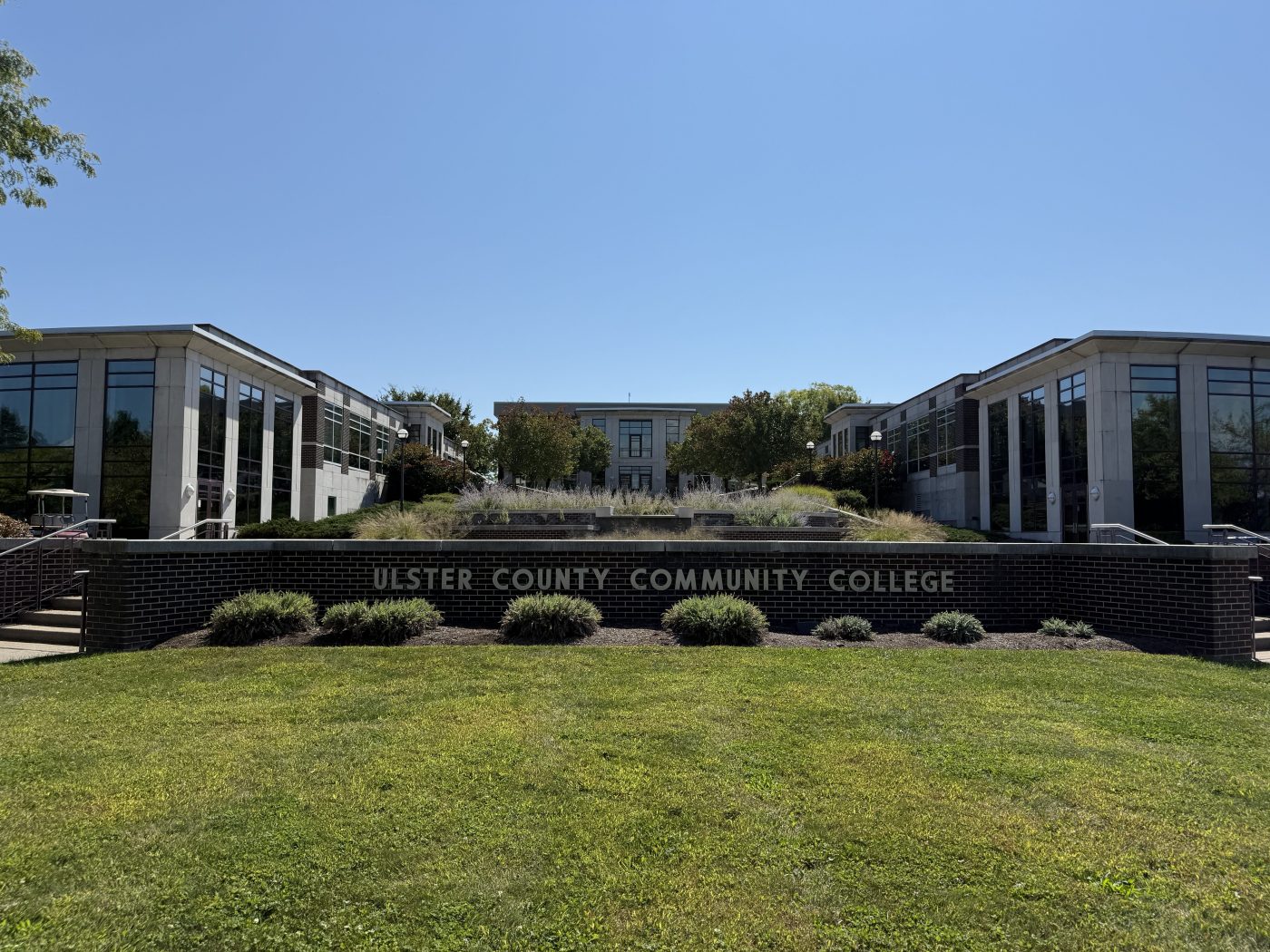
Officials from SUNY Ulster and Ulster County are set to begin discussions in the coming weeks to devise a strategic plan for the future of the community college. The process will involve the formation of the “Reimagining SUNY Ulster Committee,” which aims to address the current challenges facing the college, particularly concerning underutilized space and declining enrollment.
Deputy Ulster County Executive Jamie Capuano announced that appointments to the 11-member committee should be finalized by the end of the week. The committee will consist of five appointees from the county executive, five representatives from the college community, and Marbletown Supervisor Richard Parete. The group has been tasked by County Executive Jen Metzger with developing recommendations for optimizing unused college space while enhancing educational and workforce development opportunities at both the Stone Ridge campus and its satellite location in Kingston.
In her budget address for 2026, Metzger revealed plans to place a hold on more than $115 million in proposed capital projects for the college. She emphasized the need for a comprehensive reevaluation of the campus, stating that the physical space at the Stone Ridge campus is largely underutilized due to a significant decline in enrollment and a shift towards remote learning. Notably, the capital funding freeze does not affect approximately $38 million earmarked for renovations of the college’s 32,000-square-foot gymnasium.
Capuano, who will lead the committee, clarified that discussions will not include the closure of either campus or reductions in staffing levels. “We are committed to ensuring that all facilities remain operational,” she stated. “The committee will engage in meaningful discussions about how to best utilize campus resources and taxpayer dollars.”
Among the potential initiatives the committee may explore are expanding the children’s center, enhancing community access to the campus theater, and evaluating the use of the gymnasium and sports fields. Capuano noted that there will also be considerations regarding the campus cafeteria and its potential to better serve the community.
Assistant Deputy County Executive Amberly Campbell added, “The goal is to assess the space requirements, enrollment trends, community needs, and job sector demands to create a resource that benefits the entire region.”
Capuano indicated that the committee is expected to complete its recommendations within three months, aiming to create a vision that aligns with the current and future needs of the college and its surrounding community. The outcome of these discussions could have significant implications for the future of SUNY Ulster and its role in local education and workforce development.
















