









































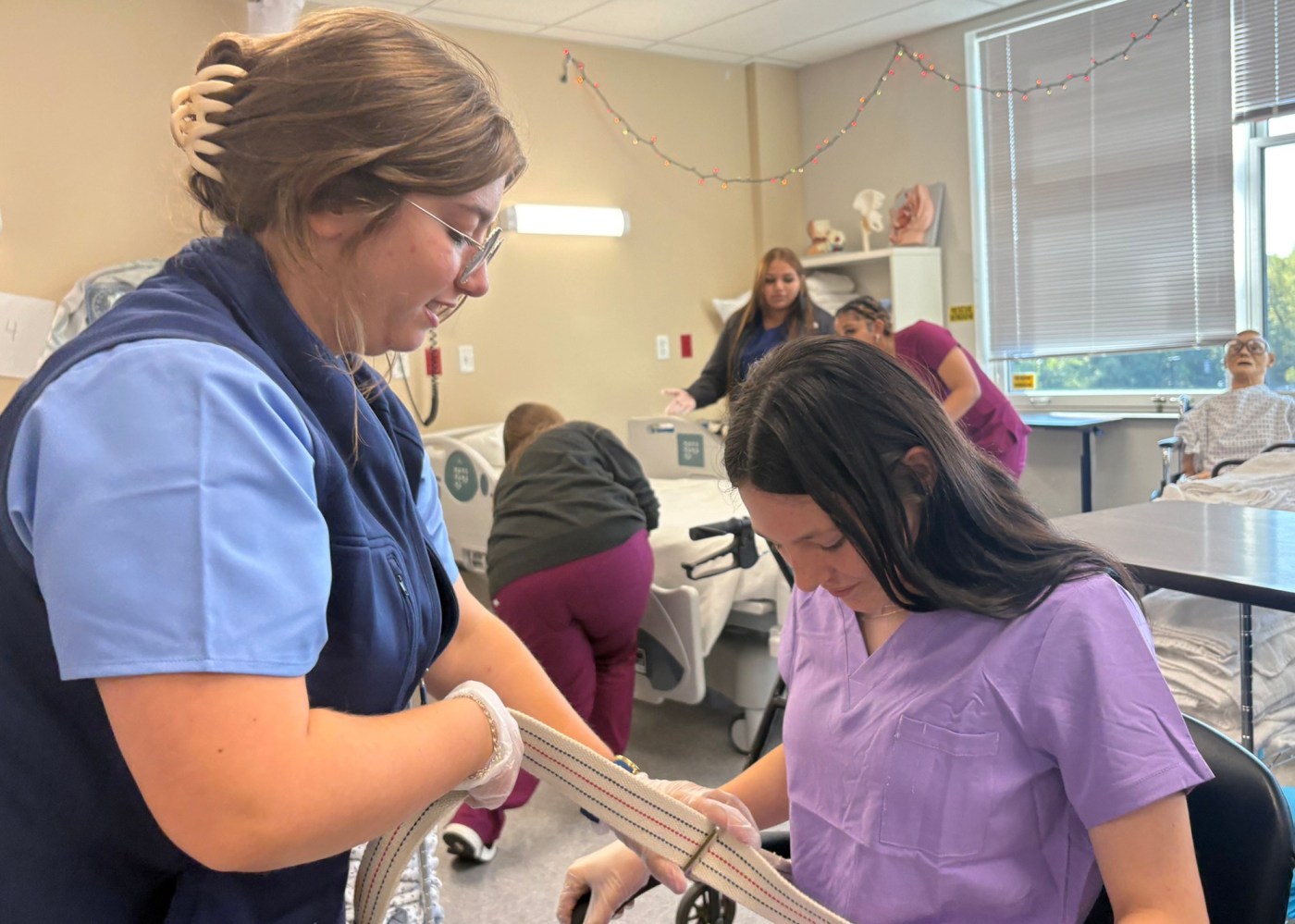
In the Capital Region, a growing trend among students pursuing career and technical education reflects a familial legacy in various trades. Many students at Capital Region BOCES express a desire to follow in the footsteps of family members who have established careers in industries such as Electrical Trades, Welding and Metal Fabrication, Health Careers, Plumbing, and Network Technology. This development aims to address the significant skilled worker shortage in the United States, which labor statistics indicate could exceed 4 million workers across multiple sectors.
The decision to enter these fields is often rooted in personal stories and experiences. Students frequently cite family members as primary inspirations, indicating that the skilled trades are not just career paths but also familial traditions. For instance, a student from the Electrical Trades program noted that their father, a long-time electrician, encouraged them to consider the profession, highlighting job stability and the satisfaction of working with their hands.
Addressing the Skilled Worker Shortage
The shortage of skilled workers is a pressing concern for various industries in the U.S. As the economy continues to grow, the demand for qualified professionals in technical fields has surged. According to the U.S. Bureau of Labor Statistics, many sectors are struggling to fill positions, which has resulted in longer wait times for services and increased labor costs.
Programs like those offered at Capital Region BOCES are pivotal in bridging this gap. They provide students not only with the technical skills needed for their chosen fields but also connect them with local businesses eager to hire. The hands-on training and real-world experience gained in these programs make graduates highly desirable in the job market.
In addition, the relationship between education and local economies cannot be overstated. As students graduate and enter the workforce, they contribute to local communities by filling vital roles that support economic growth. This cycle of education and employment fosters a sustainable model for addressing the skilled labor shortage.
The commitment to family traditions in these trades also cultivates a sense of pride and continuity. Many students recognize that their choice of career not only impacts their lives but also honors the legacy of their relatives. One student shared that their grandmother worked as a plumber for over 30 years, inspiring them to pursue the same path and highlighting the importance of representation in these industries.
Future Prospects and Community Impact
As the students at Capital Region BOCES continue to train in essential skills, they are not only preparing for their futures but also playing a crucial role in revitalizing the workforce. The intersection of family influence and educational opportunity creates a robust framework for addressing the skilled worker shortage while strengthening community ties.
With the demand for skilled tradespeople expected to rise, the efforts of these students and their families represent a proactive response to a national challenge. By fostering a new generation of workers equipped to meet industry needs, they are setting the stage for a more resilient and capable workforce in the years to come.
As the number of graduates entering the labor market increases, so too will the potential for innovation and growth within the trades. This trend underscores the importance of supporting educational programs that prepare students not only for jobs but also for fulfilling careers that benefit both individuals and society at large.
















