









































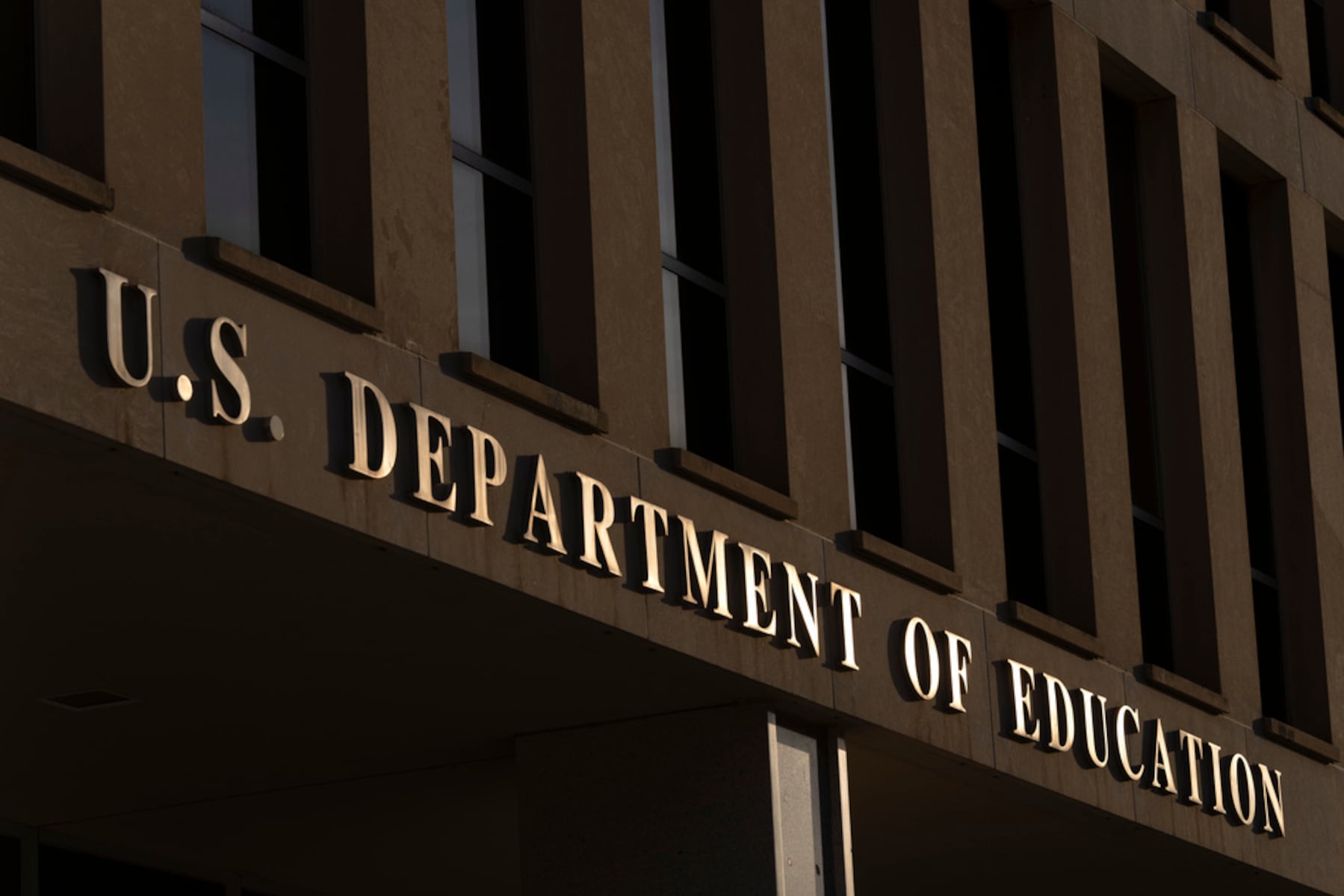
The U.S. Department of Education has proposed significant cuts to the RISE (Reimagining & Improving Student Education) program, which may severely impact support for students pursuing careers in nursing and education. These fields are vital to the workforce and historically attract women, minorities, and lower-income citizens, serving as essential pathways to the American Dream.
The RISE program has been instrumental in providing financial assistance and resources to students, especially those from underserved communities. According to analysis from PennLive, the proposed reductions could lead to a decline in the number of individuals entering these crucial professions. This potential decrease is particularly concerning given the ongoing shortage of qualified nurses and educators across the United States.
Impact on Future Workforce
The implications of these cuts extend beyond individual students. The nursing and education sectors are foundational to the country’s future. As the population ages and educational demands evolve, having a well-trained workforce is essential for societal well-being. Data from the Bureau of Labor Statistics indicates that the demand for registered nurses is expected to grow by 9% from 2020 to 2030, a rate faster than the average for all occupations. Similarly, the need for teachers remains high, particularly in low-income areas where educational resources are strained.
Eliminating or reducing support for these fields could exacerbate existing disparities. Many individuals from minority backgrounds rely on programs like RISE to help finance their education. Without such support, they may struggle to afford the necessary training and qualifications to enter these professions.
Community Voices and Concerns
Community leaders and educators have expressed alarm over these proposed cuts. Local organizations advocate for preserving the RISE program, emphasizing its role in fostering diversity and inclusion within the nursing and teaching workforces. As noted by several advocates, “Cuts to RISE threaten not only individual aspirations but also the broader goal of equity in education and healthcare.”
The criticism of the proposed reductions highlights a growing concern about the prioritization of funding within the Department of Education. Stakeholders argue that investing in education and essential services is critical for long-term economic growth and social stability.
As discussions continue regarding the future of the RISE program, the educational community remains vigilant. The potential impact of these cuts could reshape the landscape of nursing and education careers, ultimately affecting the quality of care and instruction available to future generations.
In response to the outcry, the Department of Education has yet to provide a detailed explanation of the reasoning behind the cuts or outline any plans to mitigate their impact. As the situation develops, many are calling for a reevaluation of the funding priorities to ensure that essential support for students remains intact.
















