








































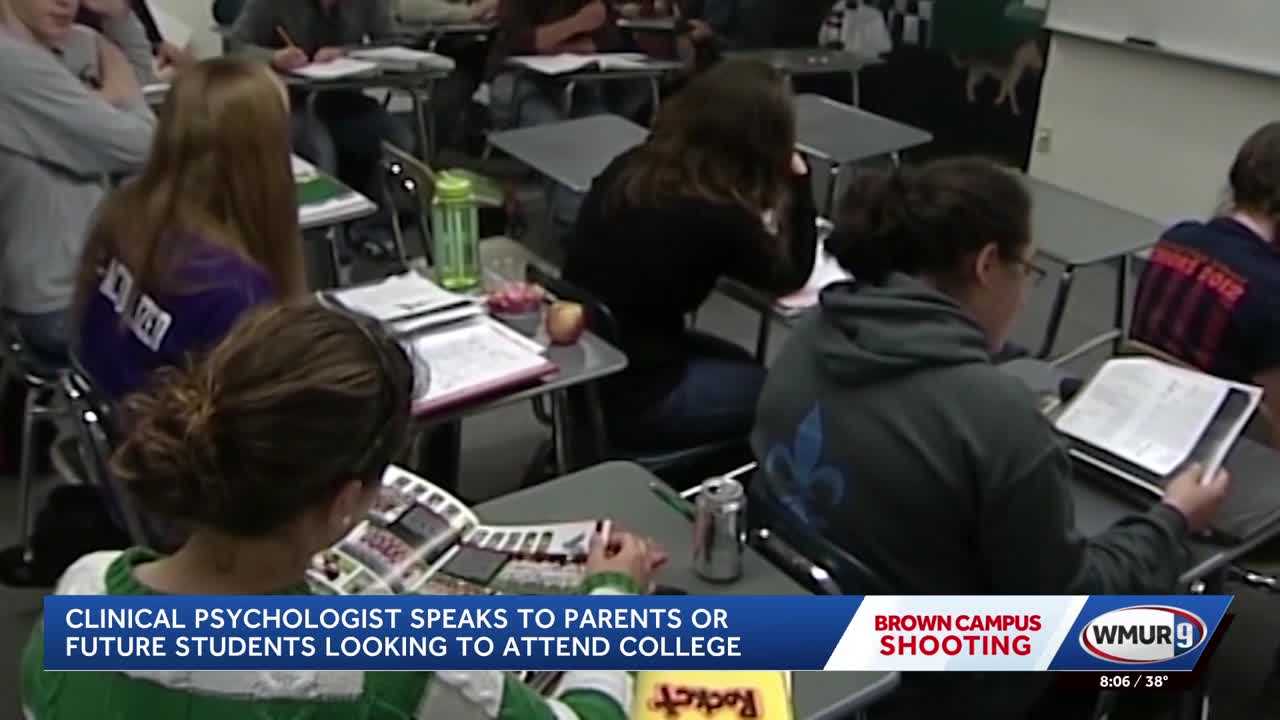
Concerns about safety in educational institutions have intensified following the recent shooting incident at Brown University. This tragic event has heightened anxiety among parents and prospective college students, reflecting a broader trend of increasing violence on school campuses. According to the American Academy of Pediatrics, school shootings have surged sharply in recent years, prompting discussions on mental health and safety in academic environments.
In light of these developments, news organizations have turned to experts for insights. A clinical psychologist recently shared valuable perspectives on how these incidents may affect the college aspirations of students. The psychologist emphasized that the emotional toll of such events can lead to heightened anxiety and fear among young adults contemplating their educational futures.
Impact on Student Mental Health
The fear surrounding school safety is not unfounded. In a study conducted by the American Academy of Pediatrics, it was noted that exposure to news about school shootings can lead to increased levels of stress and anxiety among adolescents. The psychologist highlighted that students may experience feelings of vulnerability, especially when considering a college environment that is often perceived as safe and nurturing.
Parents, too, are feeling the weight of these concerns. Many are now questioning whether it is safe for their children to attend college, particularly in light of rising statistics related to school violence. The psychologist noted that open communication between parents and children is crucial in addressing these fears. “It’s important for parents to create a space where their children can express their worries,” the psychologist stated.
Strategies for Navigating Safety Concerns
To support students and alleviate their fears, families can employ several strategies. The psychologist suggested that parents encourage their children to research the safety measures implemented by prospective colleges. Many institutions are enhancing their security protocols, which can provide reassurance to both students and their families.
Additionally, fostering resilience in students is vital. The psychologist recommended that parents and educators focus on building coping skills to help young adults navigate their emotions in the face of uncertainty. Engaging in conversations about safety, while also discussing the importance of pursuing education, can help students feel more empowered.
As conversations around school safety continue, both parents and students must find ways to balance their concerns with the pursuit of higher education. By fostering open dialogue and encouraging proactive measures, families can work together to ensure a supportive environment for students as they prepare for college.