









































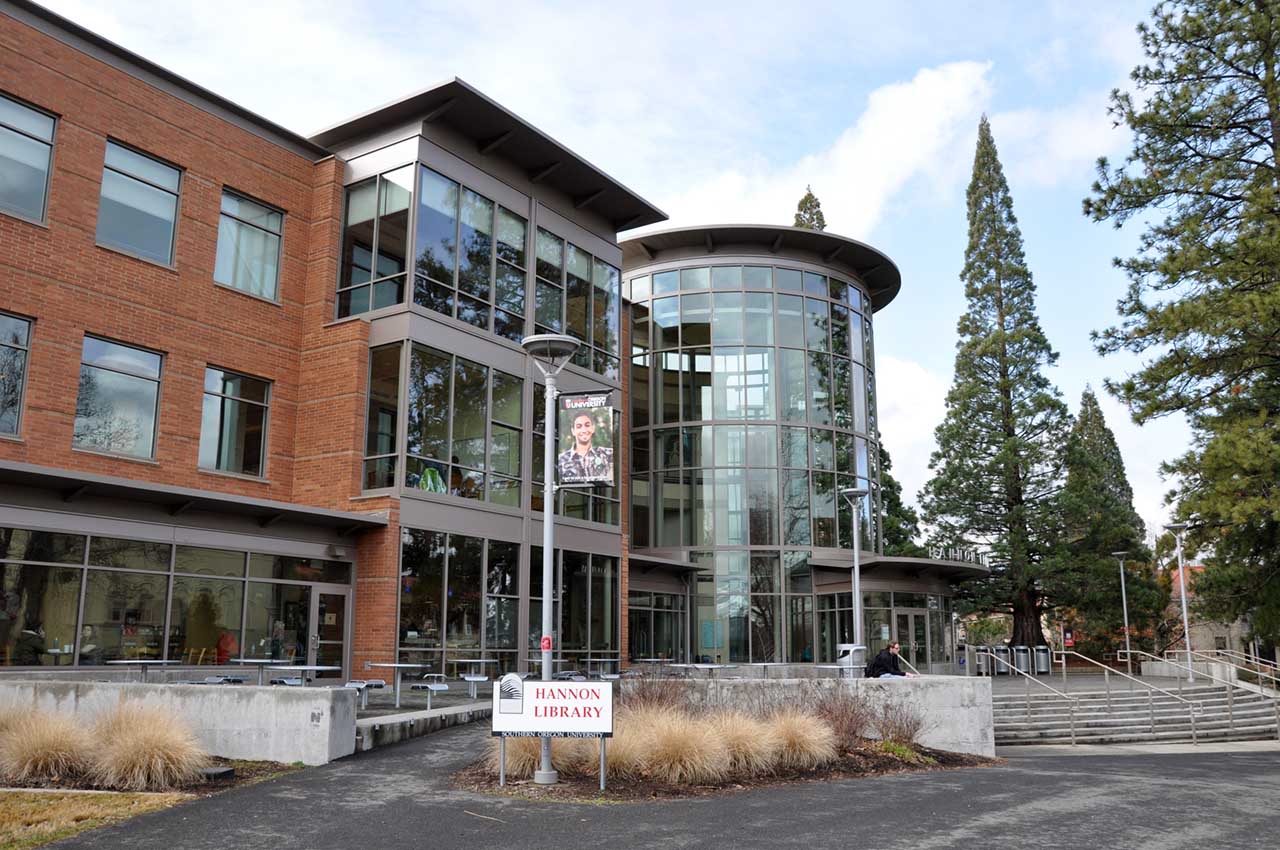
Oregon lawmakers have allocated a crucial funding package of $15 million to Southern Oregon University (SOU) to stabilize its financial situation. This decision comes as part of a broader effort to address the challenges facing higher education institutions in the state. The funding is intended to provide interim relief while SOU develops a long-term financial sustainability plan.
The university, located in Ashland, will utilize the funds to manage cash flow issues through June 2027. SOU President Rick Bailey stated that this financial support, through House Bill 5124, is essential for maintaining operations during a critical period. In order to qualify for the funding, SOU must submit a detailed fiscal plan to the state by April 30, 2026. This plan should demonstrate how the university intends to maintain financial stability and achieve a balanced budget for the 2027-29 biennium.
Funding Requirements and Future Plans
The conditions for receiving the funding are comprehensive. SOU is required to present a long-term fiscal plan to the Higher Education Coordinating Commission (HECC) by the specified deadline. This plan must include strategies for achieving structural balance and outline a review of programs that are significant to the local community and the state.
Additionally, SOU must provide updated financial modeling to show it can meet its obligations through the specified time frame. Starting in May 2026, the university will also submit monthly financial statements and cash flow forecasts to relevant state agencies, including the Legislative Fiscal Office and the Department of Administrative Services. A quarterly operational summary will be required to keep state officials informed about the university’s financial status and potential risks.
President Bailey expressed a commitment to working with consultants and campus stakeholders to identify sustainable services and programs that align with regional needs. He emphasized the hope that SOU can continue as an independent university amid ongoing financial pressures.
Challenges and Legislative Actions
This funding package comes after a series of significant cuts made by the SOU Board of Trustees last September, which included the elimination of 23 programs and the layoff of 18 employees. The board cited the necessity of reducing operations as SOU can no longer function as a comprehensive university. President Bailey described this situation as the largest challenge the institution has faced in nearly a century.
On Thursday, the Board of Trustees approved a Resiliency Plan that entails over $10 million in cuts over the next four years. This plan includes the reduction of 67 positions and the termination of 10 major programs, among others. Whether these drastic measures will still be implemented in light of the recent financial support from lawmakers remains uncertain.
In conjunction with the funding for SOU, the Oregon Legislature passed House Bill 4124, mandating a comprehensive study of the future of higher education in the state. This initiative will examine the long-term financial sustainability of the state’s seven public universities and 17 community colleges. An initial draft report is expected by October 2026, with a final report due by April 2027.
As SOU navigates this critical juncture, the university’s administration is focused on developing a viable path forward that ensures its continued operation and relevance in the higher education landscape.
















