









































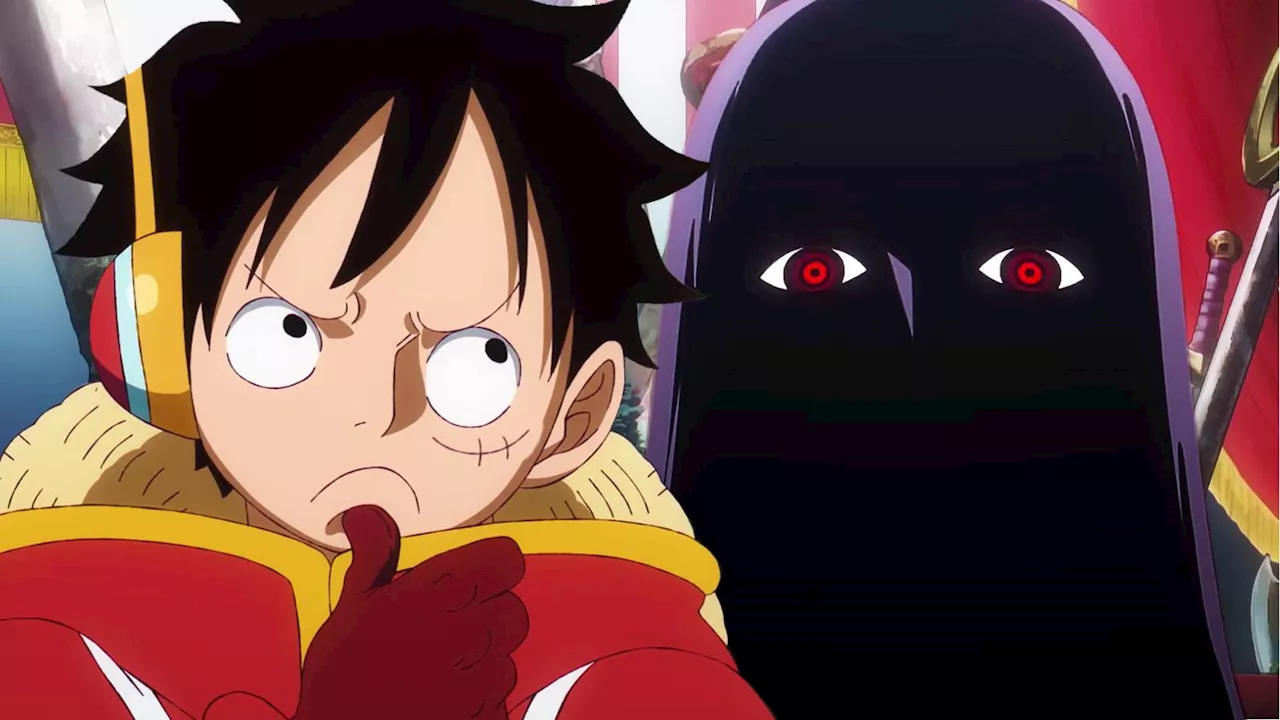
As the world of *One Piece* evolves, the character of Imu has emerged as a pivotal figure within the series. Introduced in Chapter #906, Imu is framed as the final antagonist, a role that has garnered significant attention, particularly during the Elbaph and Egghead arcs. Despite these developments, many fans find it challenging to view Imu as a compelling villain, raising questions about his effectiveness as the ultimate antagonist in a series celebrated for its memorable characters.
The recent arcs have illuminated Imu’s role and abilities, positioning him as a formidable adversary who has confronted the Straw Hat Pirates directly. Notably, he has descended from the Holy Land, showcasing his power through actions such as the destruction of Lulusia Kingdom and his controversial plans involving the enslaving of Giants. Despite these acts, many fans struggle to connect with Imu on a personal level. His villainy, while significant, lacks the emotional weight that has characterized the series’ most memorable antagonists.
Imu’s characterization has also contributed to this disconnect. Much of his persona remains shrouded in mystery, which has resulted in a lack of depth that is essential for a compelling villain. The series has revealed little about Imu’s motivations or personality traits, making it difficult for audiences to fully grasp his threat. Unlike other villains, such as Doflamingo, whose charisma and complex motivations have solidified his status as a fan favorite, Imu’s portrayal feels rather one-dimensional.
Comparing Imu to Iconic Villains
The contrast becomes particularly evident when examining characters like Doflamingo and Kaido. Doflamingo, known for his charm and malevolence, stands out as one of *One Piece*’s most engaging antagonists. His ability to elicit both disdain and admiration has made him a memorable figure within the series. Even with the brutality displayed by Kaido, there exists a level of empathy that fans have developed for him, stemming from his tragic backstory. In contrast, Imu lacks such intricacies, leaving fans wanting more from his character.
This deficiency is further amplified by the overarching narrative surrounding the D Clan, which is meant to paint Imu and the World Government as clear-cut villains. Yet, the audience’s limited understanding of the D Clan diminishes the impact of this storyline. It raises the question: how can viewers truly despise a villain when the context behind their actions remains vague? The emotional stakes are simply not as high, making it difficult for fans to engage with Imu as a character.
As *One Piece* progresses, there remains potential for Imu’s character to develop further, especially with ongoing confrontations against the Straw Hats. The series has a history of deepening character backgrounds over time, and it is possible that Imu could evolve into a more dynamic villain. However, as it stands, he is currently overshadowed by the complex and charismatic antagonists who have come before him.
Looking Ahead
While the narrative surrounding Imu is still unfolding, the call for a more nuanced portrayal is evident among fans. As *One Piece* continues to captivate audiences across the globe, it also faces the challenge of delivering a final villain that resonates as deeply as its iconic predecessors. With the ongoing battles and revelations, the stage is set for Imu to potentially rise to the occasion, but whether he can achieve that remains uncertain.
In a series brimming with rich storytelling and complex characters, the expectation for a compelling final antagonist is high. As fans await further developments, the hope is that Imu will gain the depth and charisma necessary to elevate his status within the *One Piece* universe.
















