


































New York City public schools reported a significant decline in enrollment this fall, with approximately 22,000 fewer students attending compared to the previous year. This marks the first major drop since the school system began stabilizing after the disruptions caused by the COVID-19 pandemic, reflecting a 2.4% decrease citywide. The last notable decline of this magnitude occurred during the 2021-22 school year, when enrollment fell by 3.8%.
Chancellor Melissa Aviles-Ramos linked this decline to rising concerns over affordability and immigration challenges. Many young families have been leaving New York City due to the high costs associated with raising children, while simultaneously, an influx of new students during recent immigration surges has begun to slow significantly. Aviles-Ramos noted that the ongoing crackdown on immigration policies initiated during the administration of former President Donald Trump has contributed to this change.
“When families are thriving and they can afford to live in New York City, then they select the public schools in their neighborhoods,” Aviles-Ramos stated in a recent interview. She expressed optimism that the new administration under Mayor-elect Zohran Mamdani, with its focus on affordability, could help reverse the trend. Additionally, she highlighted the need for support for immigrant families to help them feel safe and secure in their school environments.
Challenges of Declining Enrollment
The reasons behind this decline extend beyond affordability. Factors such as declining birth rates and the demand for more rigorous academic programs also play a role. School budgets in New York City are primarily funded based on student enrollment, meaning that schools with fewer students receive less funding. As a result, principals may struggle to offer a diverse range of classes and extracurricular activities.
Since the pandemic, both Mayor Eric Adams and former Mayor Bill de Blasio have attempted strategies to stabilize funding for schools despite lower enrollment numbers. These policies, however, have been implemented inconsistently, leaving many schools vulnerable to financial strain. Without a substantial increase in enrollment, some institutions may face mergers or even closures.
Research indicates that the affordability crisis is a pressing issue, particularly for families with young children. Many parents have reported moving out of the city, driven by the high cost of living. A survey revealed that 40% of families who withdrew their children from public schools cited relocation as a primary reason, often linking it to housing needs alongside educational concerns.
Impact of Immigration Policies
While some families have exited the city, a new wave of students had previously enrolled in local schools, initially helping to maintain overall enrollment figures. During the height of the migrant crisis, Aviles-Ramos’s predecessor, David Banks, referred to the influx of migrant families as a “godsend” during a period of declining enrollment.
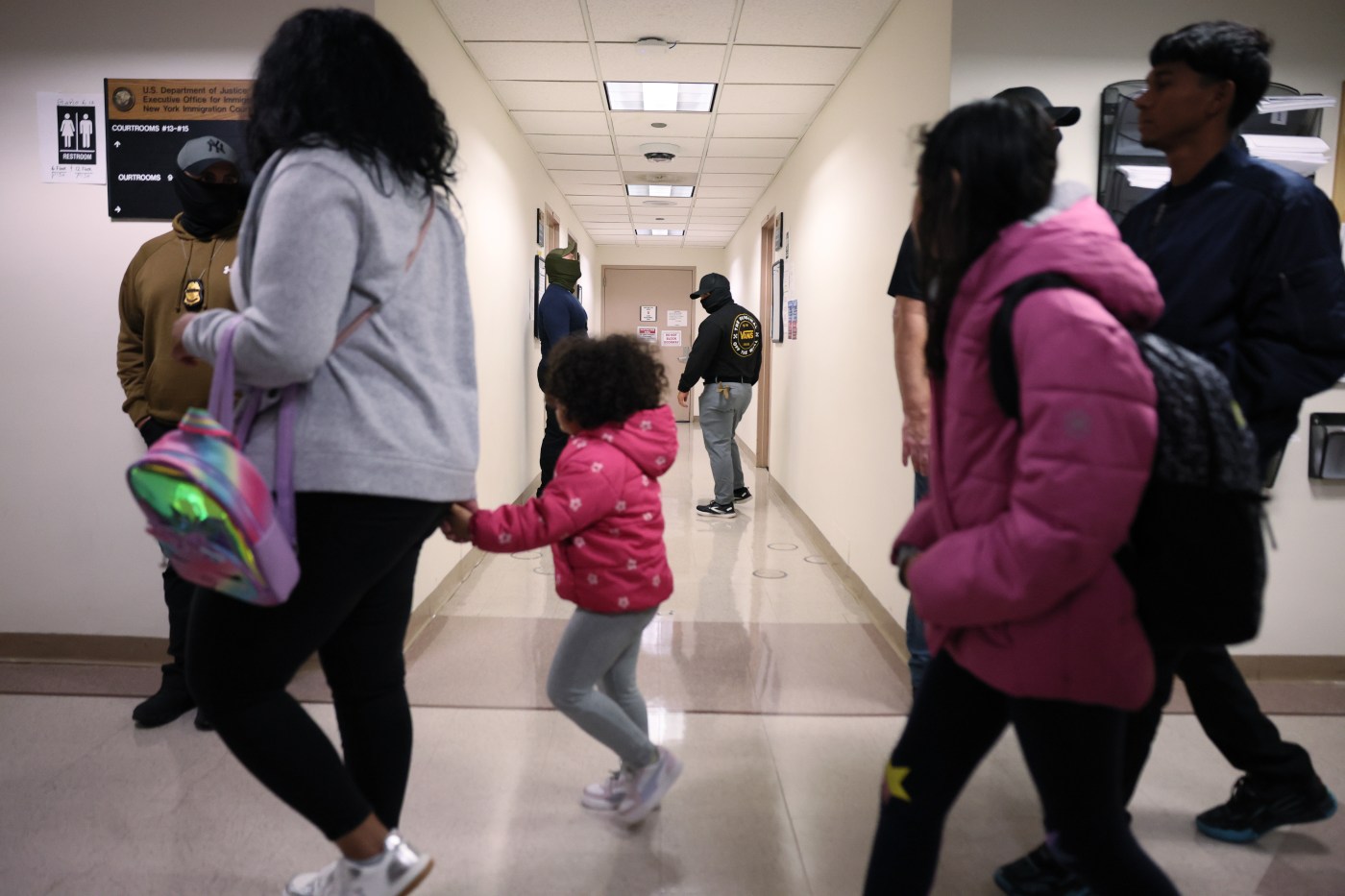
However, the situation has evolved. The pace of migration has decreased, particularly following tightened border policies during Trump’s presidency. According to data from the Deportation Data Project at the University of California, Berkeley, federal officials have arrested over 140 children in the New York City area as part of broader immigration enforcement actions.
Anecdotal evidence suggests that some immigrant families have chosen to leave New York City as well. Aviles-Ramos, who previously oversaw the public schools’ response to the migrant crisis, indicated that many families seeking asylum are no longer remaining in the city. “The increase that we had a couple of years after COVID was due to an influx of families seeking asylum, and we know that many of those families are leaving New York City,” she explained.
Enrollment has dropped significantly, particularly in schools that were more likely to serve migrant students. A recent analysis by Chalkbeat found that enrollment in these schools fell by 11% this year, compared to the citywide average of 2%.
Despite these challenges, public schools are actively working to support immigrant families. Initiatives such as a buddy system connecting immigrant students with their peers, staff teams known as “Dream Squads,” and outreach by alumni, referred to as “Immigrant Ambassadors,” aim to foster a sense of belonging. Aviles-Ramos noted that school staff are going beyond their typical responsibilities, checking for the presence of Immigration and Customs Enforcement (ICE) around schools and providing additional support to alleviate families’ anxieties.
“If there were an opportunity to expand things like that,” she said, “we would probably see an increase in attendance.” As New York City navigates these complex challenges, the future of its public school system remains uncertain, heavily influenced by broader socio-economic conditions and immigration policies.