





























The Minnesota Historical Society has launched a new exhibit, “The Stories We Keep: 25 Objects from MNHS,” which opened to the public on August 15, 2024. This inaugural showcase in the History Center’s new Collections Gallery features a curated selection of 25 artifacts, each representing a unique aspect of Minnesota’s rich history.
The exhibit aims to highlight the organization’s extensive collections, which encompass more than 250,000 objects, including manuscripts, oral histories, and audio-visual materials. According to Christine Jones, senior director of experience development at the Minnesota Historical Society, this initiative is part of a broader effort to enhance access to their collections and engage the public in Minnesota’s diverse narratives.
Highlights from the Exhibit
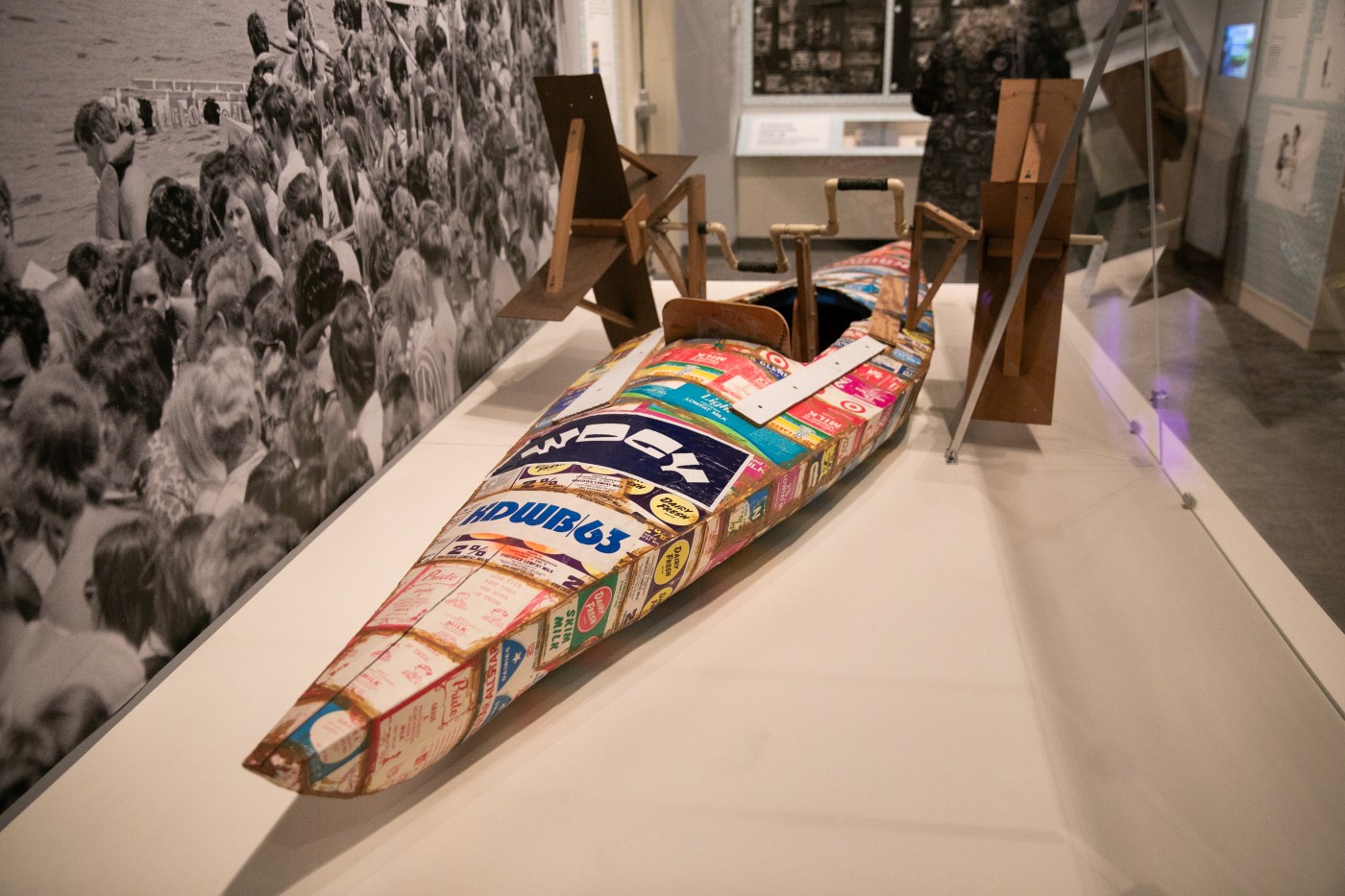
Among the items on display is a kayak made entirely from milk cartons, created for the first Minneapolis Aquatennial milk carton boat race in 1971. This unique piece raced annually until 1977, when its creator, David Garron, stored it in his garage. Years later, Garron’s son revived the kayak for the 2001 race, where it won. The kayak features logos and slogans that reflect Minnesota’s dairy history, including the phrase “Every body needs milk.”
Another notable object is a letter penned by F. Scott Fitzgerald to the St. Paul Public Library in 1919. In this correspondence, Fitzgerald, then an emerging writer, responded to a request for information about his works. At the time, he had only one book, “This Side of Paradise,” which was published the following year. The letter provides insight into Fitzgerald’s early career and the local recognition he received.
The exhibit also includes a colorful Dakota-language hymnal cover adorned with beaded designs. While the creator remains unknown, the cover incorporates elements from Ojibwe and Cree beadwork styles. Curators suggest that it was likely crafted during church-sponsored gatherings, where Native women came together to foster community ties.
Exploring Cultural Legacies
Another significant artifact is a binder of fabric samples belonging to Marliss Jensen, a master dyer who collaborated with Prince on his iconic costumes. This binder showcases the process of finding the perfect shades for Prince’s outfits, particularly for “Purple Rain.” Jensen’s work emphasizes the local connections that contributed to Prince’s legendary stage presence.
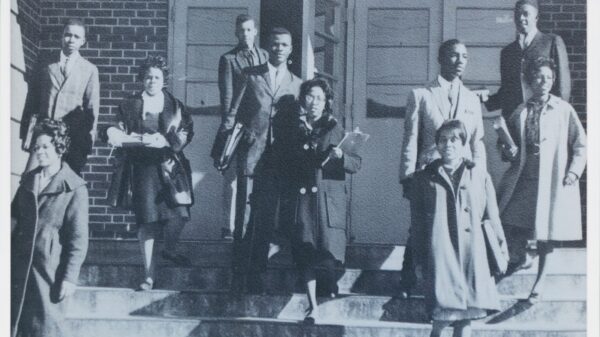
Photographer Earl McGee is also featured with a collection of images capturing life in St. Paul’s Rondo neighborhood during the 1960s. His photographs reflect the vibrancy of the community as well as the challenges it faced during a period of significant change. McGee documented various events, from civic meetings to youth sports, providing a personal lens on the neighborhood’s history.
The exhibit is a testament to the Minnesota Historical Society’s commitment to preserving and sharing the stories of its diverse populations. For more information about “The Stories We Keep” and to view the collection, visit the Minnesota Historical Society’s official website.