






































A bipartisan group of lawmakers is urging the United States Department of Education to include nursing among the list of programs designated as “professional.” This call follows the exclusion of nursing from a newly defined category that encompasses fields such as medicine, law, and theology. By being classified as a professional program, nursing students would have access to higher federal loan limits, making it easier to finance their education.
Under proposed regulations by the Trump administration, students enrolled in graduate programs recognized as professional could borrow up to $200,000 for their degrees, with an annual cap of $50,000. In contrast, other graduate programs face borrowing limits of $100,000 total and $20,500 per year. This change has raised concerns, particularly for nursing programs that often incur significant expenses.
In a letter sent on March 15, 2024, lawmakers highlighted that the $100,000 cap on federal loans for nursing graduate programs could hinder students’ ability to afford high-demand specialties, such as nurse anesthetists. These programs can exceed $200,000 in total costs. Lawmakers argued that the current loan limits would especially affect students in year-round nurse practitioner programs, which frequently charge more than the capped amounts.
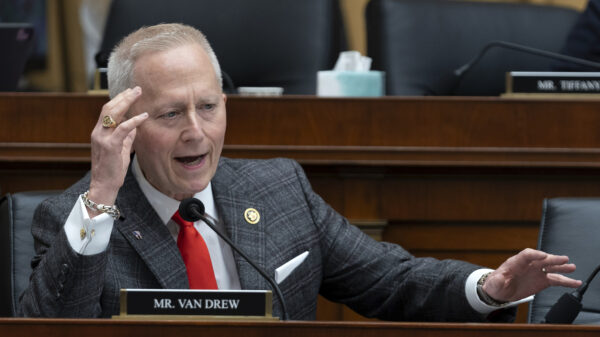
The letter, signed by over 140 lawmakers, including twelve Republicans, was led by notable figures such as Sen. Jeff Merkley (D-Ore.) and Sen. Roger Wicker (R-Miss.). Representative Ritchie Torres (D-N.Y.) also expressed similar concerns in a separate correspondence. Torres emphasized that excluding nursing from the professional designation would force students to seek riskier private loans or face insurmountable tuition fees. He stated, “A restrictive interpretation would undermine our healthcare and education systems, weaken our workforce, and close doors for low-income, first-generation, and immigrant students.”
The Trump administration defended the new loan caps, asserting they are intended to incentivize colleges to reduce tuition costs. The Education Department based its definition of professional programs on a 1965 law concerning student financial aid. While this law provides examples of professional fields, it does not constitute an exhaustive list. The Trump administration has narrowed the definition to include only certain disciplines, such as pharmacy, dentistry, and clinical psychology, while leaving out nursing and other vital professions, including physical therapy and social work.
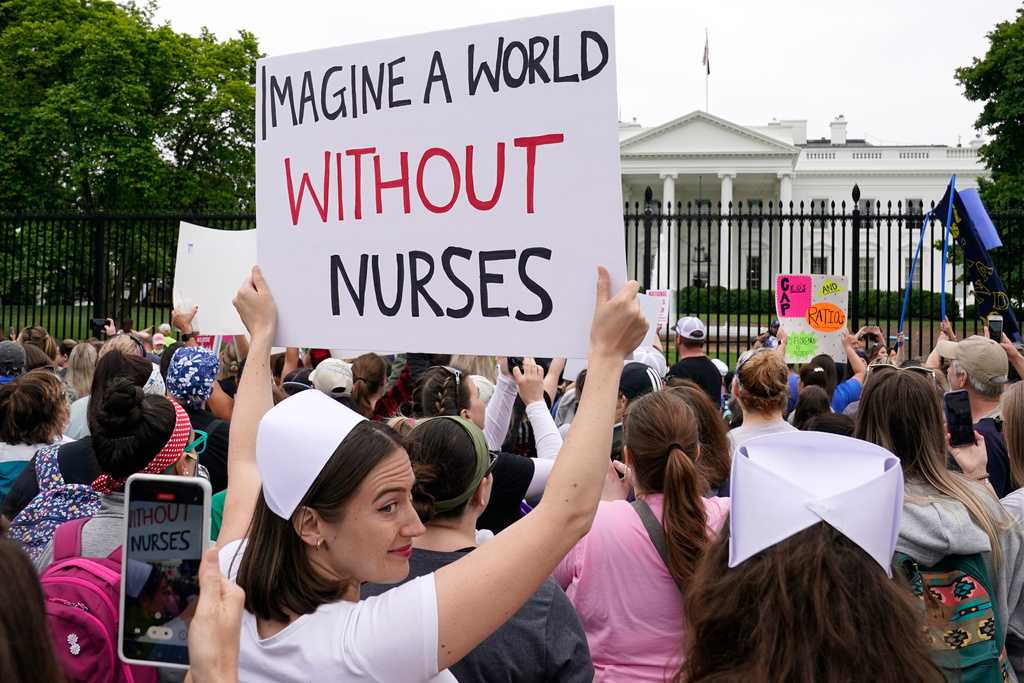
The exclusion of nursing from the professional programs list has sparked significant backlash from nursing organizations and industry leaders. Many argue that the current policy fails to recognize the essential role nurses play in delivering healthcare, particularly in underserved regions. Certified nurse anesthetists, for instance, provide critical services in rural areas where higher-cost physicians may not practice.
The Education Department has indicated that the proposed regulations are still subject to change as part of an ongoing federal rulemaking process. As lawmakers continue to advocate for the inclusion of nursing in the professional programs list, the outcome of this initiative could have lasting implications for the future of nursing education and the healthcare workforce in the United States.