





































Illinois public schools are receiving accolades for their performance, with over 80% rated as “commendable” or “exemplary” in the latest Illinois School Report Card. However, this celebration may mask significant underlying issues, particularly in rural areas where many schools fall short in critical subjects like mathematics. The criteria for achieving a “commendable” status require only that a school graduates 67% of its students and performs better than the lowest 5% of schools in the state.
The disparity between reported success and actual student performance raises concerns about the interpretation of these ratings. As noted by retired radio host Garrison Keillor, the situation parallels the fictional Lake Wobegon, where all children are said to be above average. Parents in Illinois might find themselves misled by these commendations, assuming that their children are excelling when, in fact, they may not be receiving adequate educational support.
The Illinois Report Card presents a misleading picture, with families believing that their schools are performing well. This misconception can lead to complacency in addressing the educational challenges their children face. Nationally, Illinois schools rank just above average in achievement, yet they lag significantly in international comparisons. According to the Program for International Student Assessment (PISA), U.S. students averaged 465 points in math in 2022, which is below the average for developed nations. In contrast, students from countries such as South Korea, Singapore, Taiwan, and Japan scored between 527 and 575 points.
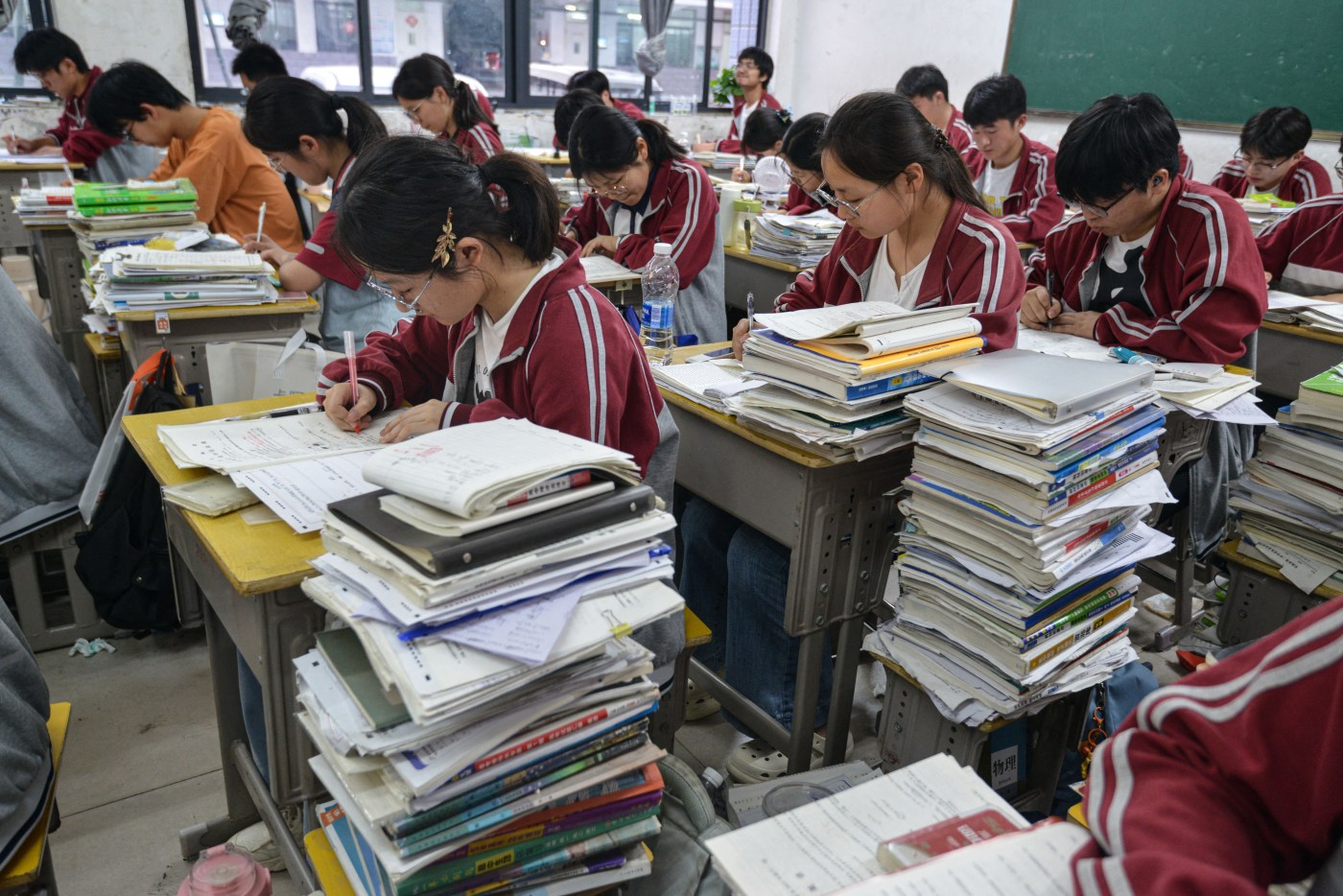
The educational model in China illustrates the stark differences in commitment to education. In 2005, during a visit to Fudan University in Shanghai, it was common to see elementary students attending school on Saturday mornings. Chinese educational leaders recognize the importance of rigorous academic preparation, a priority that supports their aim to surpass the United States as a global leader. Under the leadership of Xi Jinping, China’s focus on education has resulted in significant advancements, including surpassing the U.S. in four-year university enrollment and becoming the largest producer of peer-reviewed scientific articles.
The urgency for the U.S. to reassess its educational priorities has never been more critical. Education leaders must avoid lulling parents into a false sense of security regarding educational achievement. There needs to be a push for transparency in reporting school performance, enabling parents and communities to understand the true state of education.
Furthermore, the current landscape offers opportunities to strengthen the teaching profession in the U.S. Attracting high-achieving college students into teaching roles remains a challenge. The shift in the job market towards service-oriented careers presents a unique chance to promote teaching as a respected and stable profession. Policymakers should collaborate with educators to enhance the appeal of teaching, drawing inspiration from models in countries like Finland and Japan.
In summary, while Illinois schools may celebrate commendable ratings, it is essential to critically evaluate what these ratings mean for actual student performance. The educational community must strive for excellence rather than settle for unwarranted self-congratulation. Acknowledging the shortcomings in education will allow for meaningful reform and better outcomes for future generations.