









































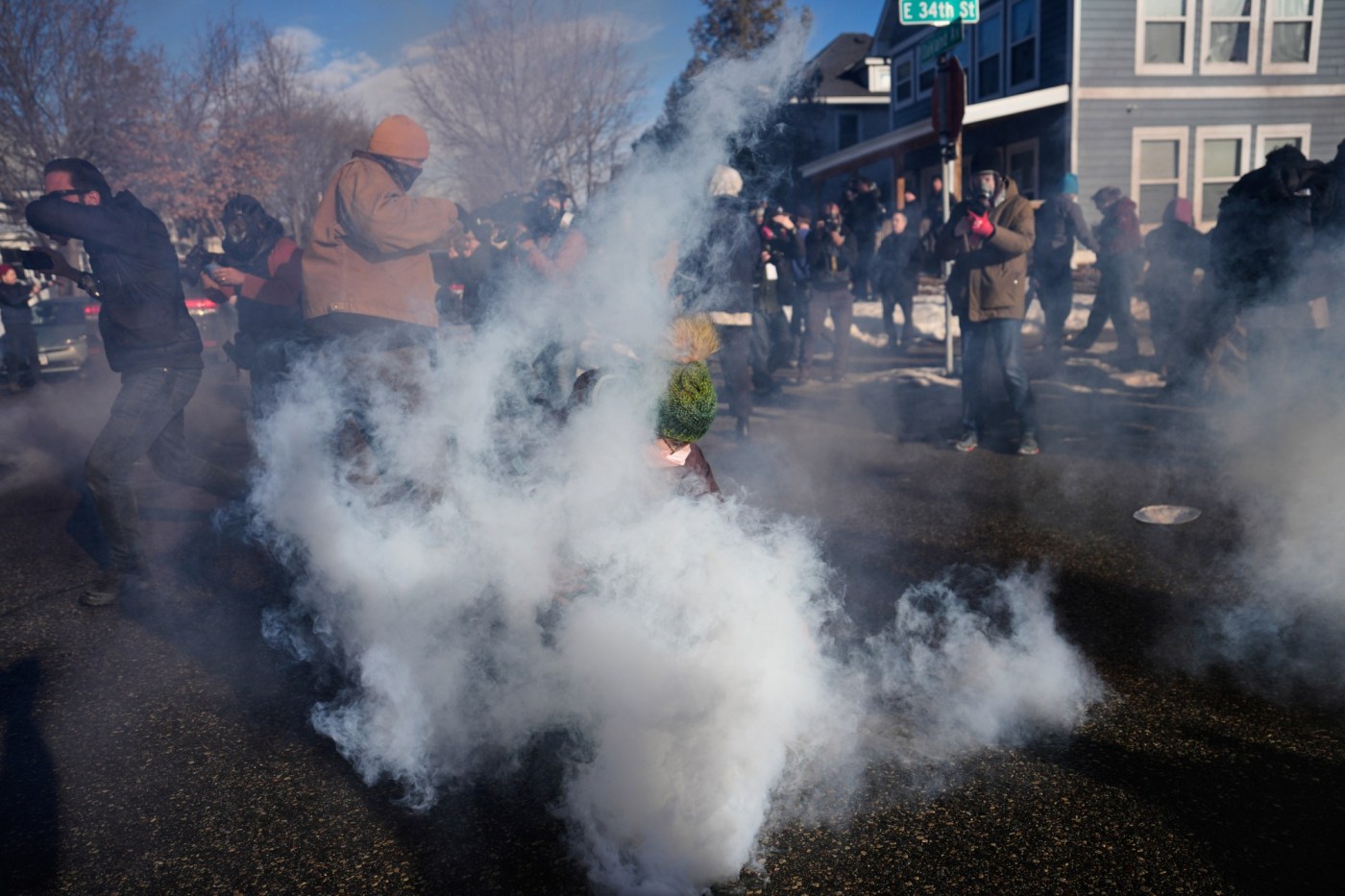
The recent deployment of hundreds of federal immigration agents in Minneapolis has resulted in significant community unrest and tragic outcomes, including the fatal shooting of a 37-year-old mother of three by an ICE agent. This incident has exacerbated mistrust between law enforcement and residents, sparking protests that at times have turned confrontational. In response, President Donald Trump has ordered the addition of hundreds more federal agents to the area and has threatened to invoke the Insurrection Act, which would permit military intervention to manage protests.
The situation highlights a critical issue in crisis management: the need for effective de-escalation techniques. Rick Pozniak, a veteran in public and crisis communications and the creator of the first crisis communications course at Middlesex Community College, emphasizes that de-escalation is vital in high-tension environments, such as during mass protests or when dealing with violent incidents.
The presence of heavily armed federal agents can heighten fear and anger rather than restore order. In light of the current climate in Minnesota, Pozniak advocates for a temporary withdrawal of ICE enforcement teams. This strategy could create a necessary cooling-off period, allowing the community to mourn the loss of the deceased woman and facilitating an unbiased independent investigation into the shooting.
During this period, federal immigration responsibilities could be managed through open dialogue with local law enforcement and community oversight bodies. This approach would prioritize transparency, respect, and accountability, while focusing on the civil liberties of all residents.
When ICE agents return, they must do so with a clear commitment to professional conduct. Pozniak suggests that agents should avoid combat uniforms, face masks, and heavy weaponry, instead opting for attire that fosters community trust. Their focus should shift to ensuring community safety and maintaining accountability, employing best practices in communication and detainment that local police departments use.
Prioritizing de-escalation not only protects lives on all sides but is also essential for rebuilding public trust. Current opinion polls indicate that a majority of Americans oppose the tactics employed by ICE in recent months. The need for effective policing that respects community dynamics is more pressing than ever, as the tragic events in Minneapolis serve as a stark reminder of the consequences when law enforcement fails to engage thoughtfully with the communities they serve.
By implementing these strategies, law enforcement can work towards restoring trust and ensuring that similar tragedies do not occur in the future.
















