









































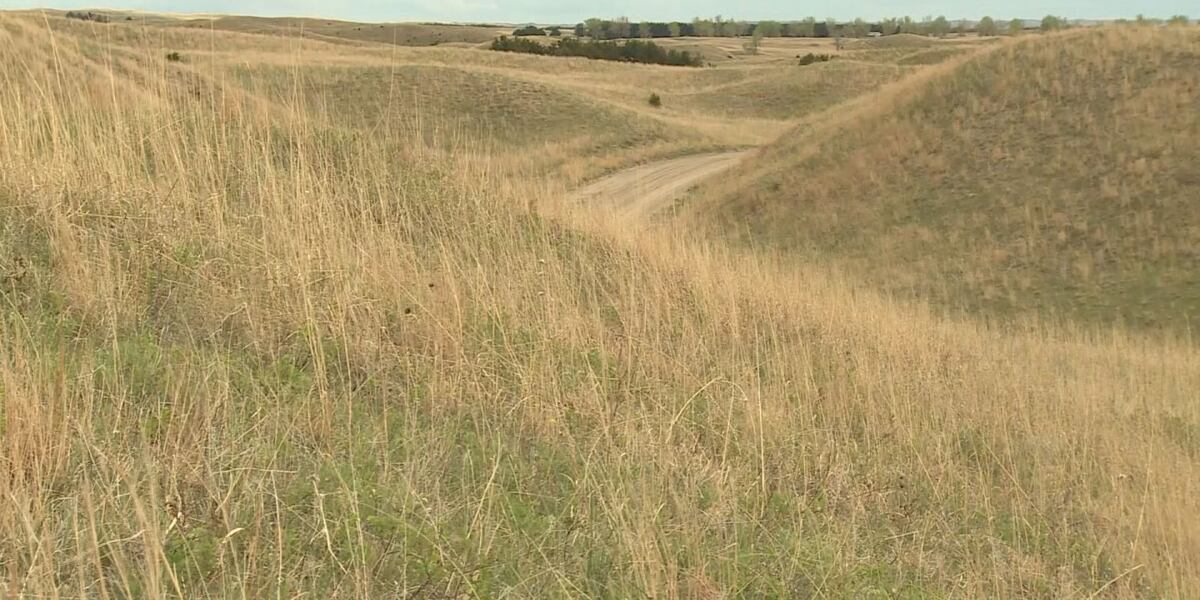
A new educational kiosk at the State Capitol in Lincoln, Nebraska, is shining a spotlight on the vital role of rangelands in the state. The display, which will be available until February 20, 2026, emphasizes the ecological and economic significance of these landscapes, which cover over 50% of Nebraska’s land area.
Walter Schacht, a retired professor from the University of Nebraska-Lincoln who specialized in rangeland ecology and management, notes that Nebraska’s rangelands are primarily composed of native grasses, wildflowers, and shrubs. The Nebraska Sandhills, making up approximately a quarter of the state, are recognized as the largest contiguous grassland in North America.
The display comes in light of the United Nations General Assembly declaring 2026 as the International Year of Rangelands and Pastoralists. A committee within the Nebraska section of the Society for Range Management is working to celebrate these essential ecosystems and educate the public on their importance.
The kiosk is part of a collaborative effort across states in the Central and Western United States, spearheaded by Washington State University. It details what rangelands are and their significance both locally and globally. Schacht emphasizes that rangelands are crucial to Nebraska’s economy, particularly through the beef cattle industry, as most cattle rely on forage produced in these areas.
In addition to supporting agricultural activities, rangelands also play a significant role in conservation. They provide habitat for various native wildlife species and contribute to the recharge of the Ogallala Aquifer through rainwater infiltration.
The committee aims to engage policymakers and the public during the International Year of Rangelands and Pastoralists. Schacht stated, “Our mission really is to inspire Nebraskans to appreciate rangelands.”
Following its time at the State Capitol, the kiosk will be on display at Morrill Hall from February 13 through May 1, 2026. For those interested in learning more about Nebraska’s rangelands, additional information is available at nebraskagrasslands.org/iyrp/.
















