









































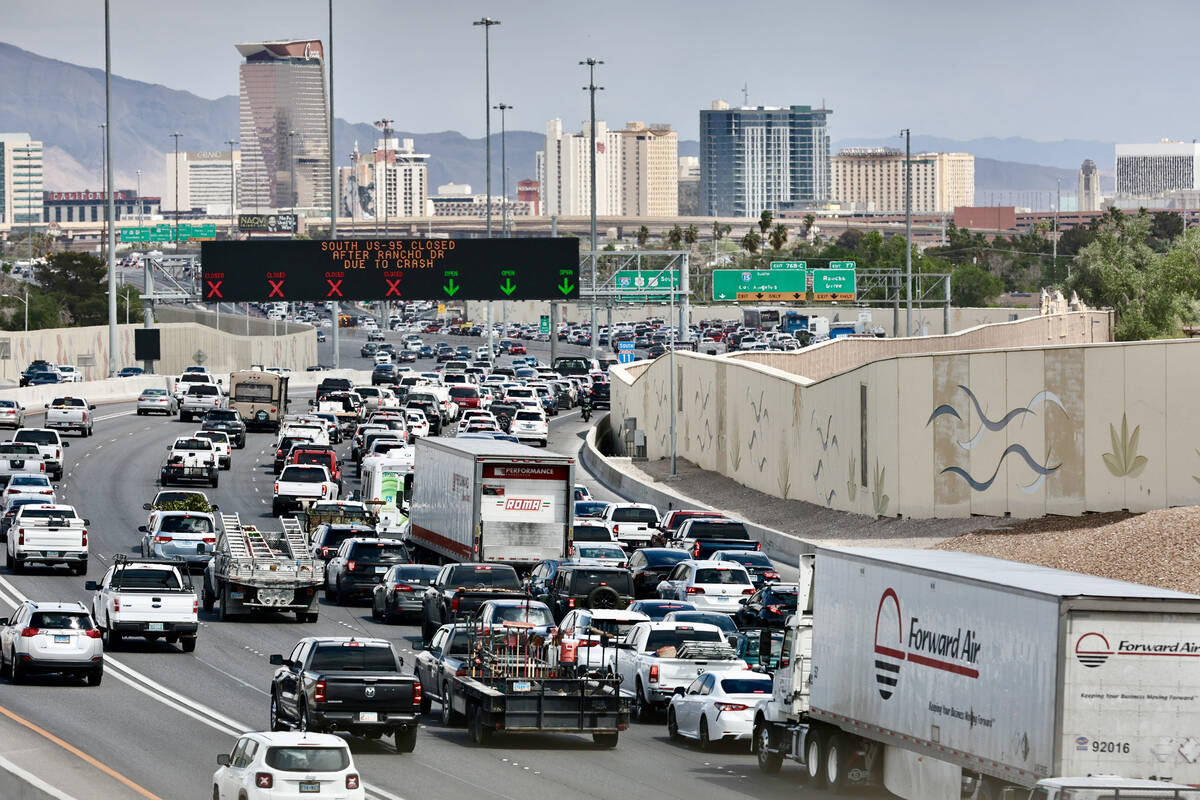
Concerns about driving safety in Las Vegas have intensified following a series of alarming incidents involving reckless drivers. In a recent letter to the editor, local resident Bill Minarik highlighted the urgent need for enhanced driver’s education and training programs, recalling a dangerous encounter with a driver who repeatedly demonstrated unsafe behavior.
Unsafe Driving Practices Raise Alarms
Minarik recounted an incident where he narrowly avoided a collision with a driver in a black truck who made an unsafe lane change while exiting a traffic circle on Town Center, heading towards the TPC Summerlin Golf Course. This near-miss was not an isolated event. A few days later, Minarik found himself behind the same truck at the same location, witnessing the driver collide with another vehicle. This crash resulted in both cars rolling over and sent the offending driver to the hospital.
Minarik filed a police report at the scene, reflecting the seriousness of the situation. He expressed his frustration at the frequency of such incidents, stating, “I wake up each morning to hear similar stories on the early news reports.” His observations underscore a broader issue regarding driver safety in Las Vegas.
Call for Comprehensive Driver Education
Minarik drew comparisons to his experiences in Los Angeles, where obtaining a driver’s license before the age of 18 requires both classroom instruction and behind-the-wheel training. He advocates for similar requirements in Las Vegas, particularly for drivers with frequent violations. “All lives matter when it comes to driving,” he emphasized, pointing to the critical importance of responsible driving practices.
The call for a “traffic czar” to oversee and regulate driving standards in the city reflects growing public concern. Such a position could potentially enforce stricter penalties for reckless driving and ensure that all drivers have access to the necessary training to navigate the roads safely.
As the debate continues, it remains clear that Las Vegas must address its driving culture to prevent further accidents and protect the community. The need for improved education and oversight is more pressing than ever, as residents seek solutions to ensure safer streets.
















