







































Learning a musical instrument often leads to the inevitable question: how much practice is necessary to see progress? This query resonates with students eager to understand the time commitment required to master their craft. While the answer varies, it is essential to recognize that effective practice is less about a strict regimen and more about finding what works for the individual.
Musicians frequently discuss their practice routines, and experiences can differ widely. Some find that dedicating just 20 minutes daily can yield better results than longer sessions, while others thrive with a more substantial commitment of up to 1 hour. In fact, during earlier stages of development, intensive practice of 8-12 hours was not unusual for many, including renowned musicians like Jack Bruce of the band Cream.
As life circumstances change, so too may a musician’s approach to practice. One individual reflects on their journey, noting that while an hour of practice felt manageable during periods of touring and recording, responsibilities such as parenting made even 20 minutes a challenge. This highlights a crucial aspect of practice: consistency and adaptability based on personal circumstances.
Defining Realistic Goals
Establishing achievable goals is vital for anyone looking to improve their musical skills. Setting a target that aligns with your lifestyle and commitments can significantly enhance your relationship with your instrument. Much like dietary changes, where one may find success reducing sugar intake through gradual adjustments, a similar philosophy applies to music practice.
Consider your current routine and determine what is realistically sustainable. Whether it’s committing to a clean diet six days a week with a cheat day or practicing for a dedicated timeframe each day, the key is to find a rhythm that you can maintain long-term. This approach alleviates pressure, allowing for a more enjoyable and fulfilling practice experience.
The pressure to meet high expectations can be counterproductive, often leading to frustration. When musicians learn to let go of rigid targets, they often discover that their abilities flourish in unexpected ways. Engaging in reflective practices, such as maintaining a practice journal or recording sessions for later review, can provide valuable insights without the burden of constant self-criticism.
Shifting Focus from Technique to Expression
As musicians mature, their goals often evolve. In youth, the desire to emulate technical prowess may dominate. However, as life experiences accumulate, many find that building a strong foundation in musical language allows for deeper self-expression. This shift enables artists to create meaningful work that resonates beyond mere technical exhibition.
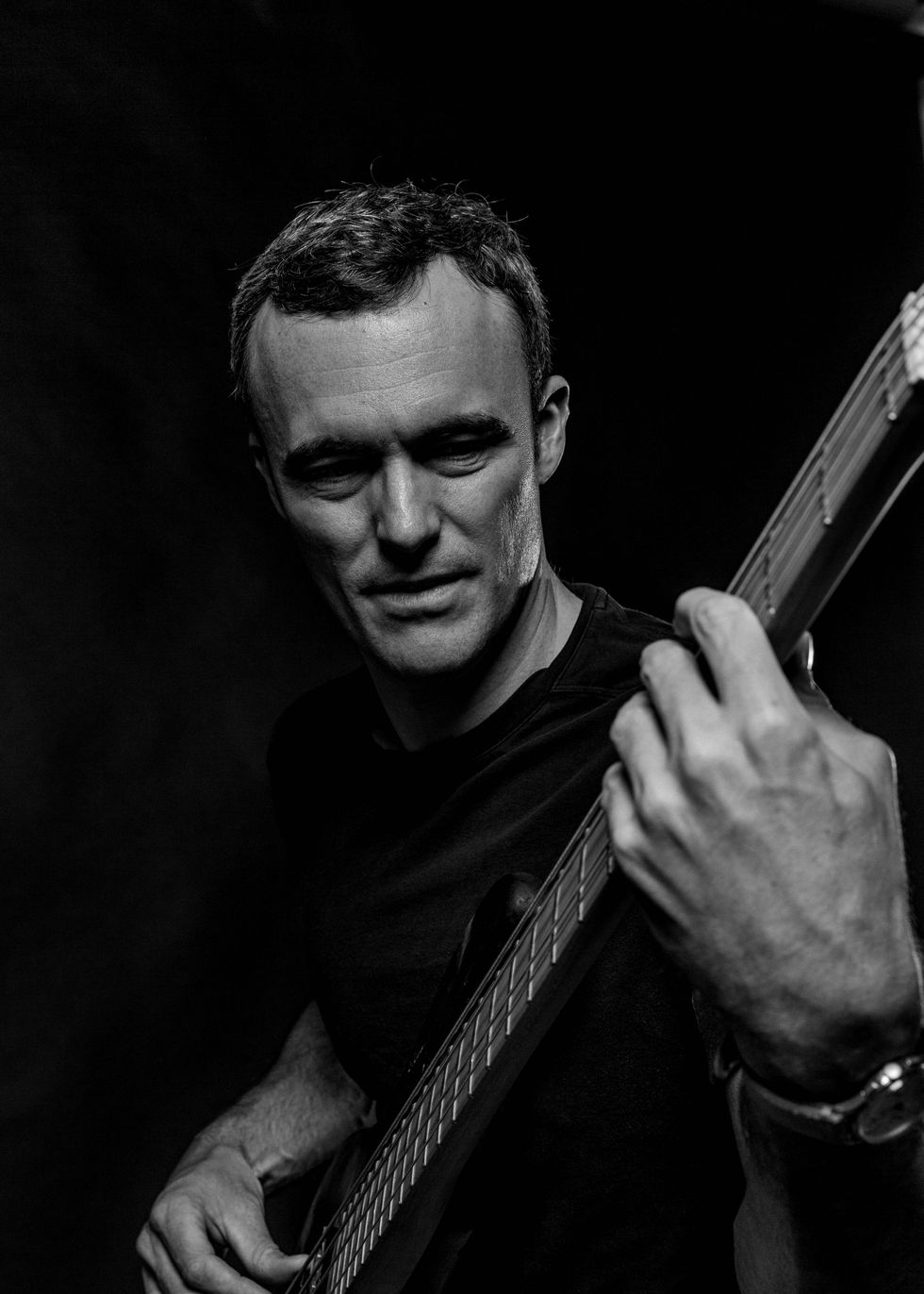
At age 46, one musician reflects on the importance of maintaining not just musical skill but overall well-being. Prioritizing physical health and mental clarity contributes significantly to performance quality. By investing in nutrition and fitness, individuals can mitigate age-related challenges, ensuring they remain agile and mentally sharp.
Ultimately, the journey to musical mastery is personal and unique. Each musician must navigate their path, identifying the practice methods that resonate most with their lifestyle and goals. Embracing the process, rather than fixating on outcomes, can lead to a more enriching and enjoyable experience. As musicians focus on what they can achieve today, they set themselves up for success in their ongoing musical journey.
In conclusion, the age-old question of how long one should practice each day lacks a definitive answer. The essence lies in setting realistic, enjoyable goals that fit within one’s lifestyle. By fostering a love for the process and allowing for flexibility, musicians can cultivate a fulfilling relationship with their instrument, paving the way for growth and expression.