

























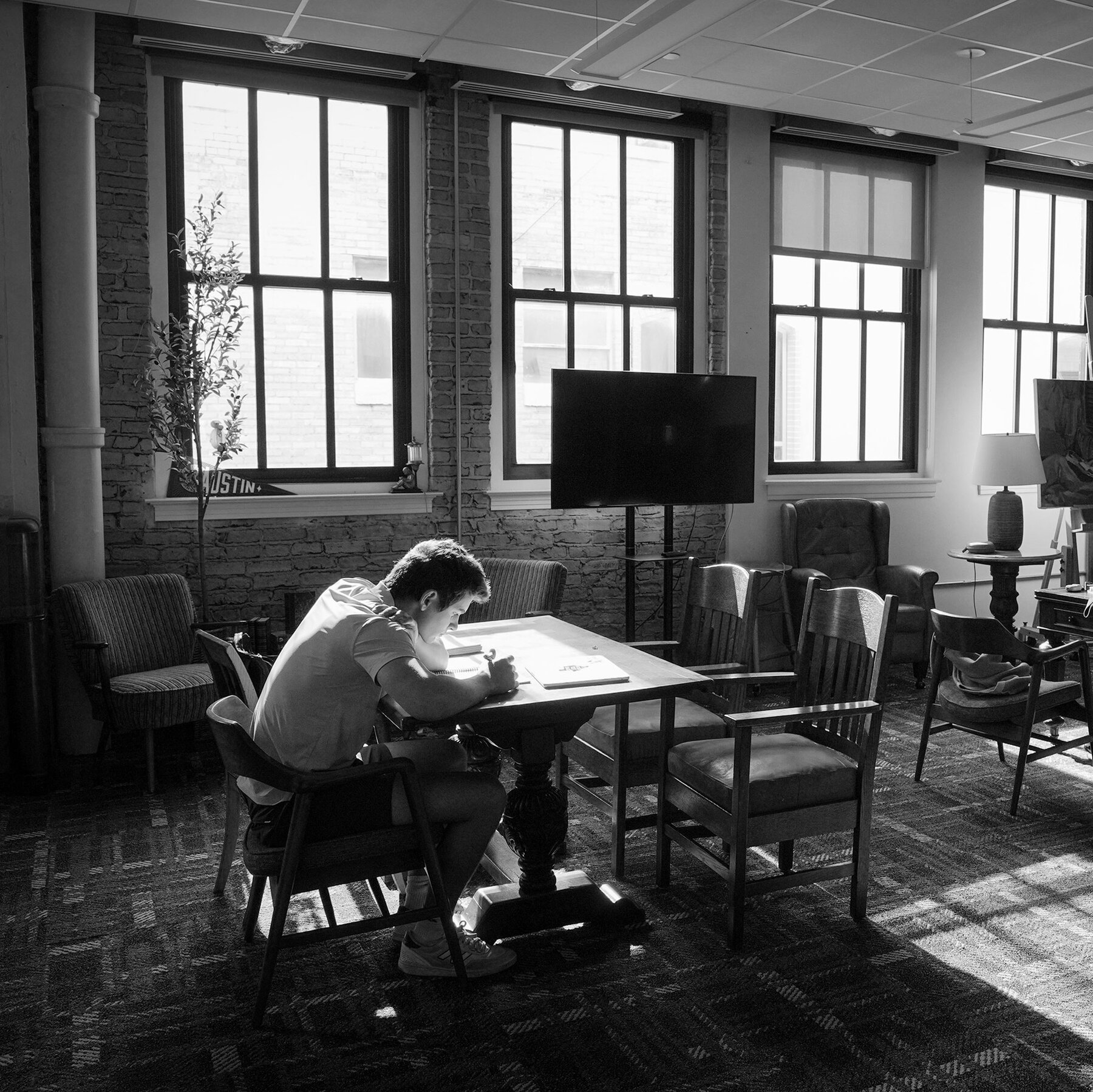
Concerns about the rise of illiberalism on college campuses have sparked debates among educators, students, and policymakers regarding the future of academic freedom. Recent discussions emphasize the need for effective solutions to address growing divisions within academic environments. Various stakeholders are exploring strategies to foster unity and promote open discourse among students.
Illiberalism, a term often used to describe a decline in democratic values and a rise in authoritarian practices, has been cited as a significant challenge in higher education. According to a study conducted by the American Council on Education, approximately 60% of college students reported feeling uncomfortable expressing their views in classroom settings. This atmosphere of fear has raised alarms about the health of free speech on campuses.
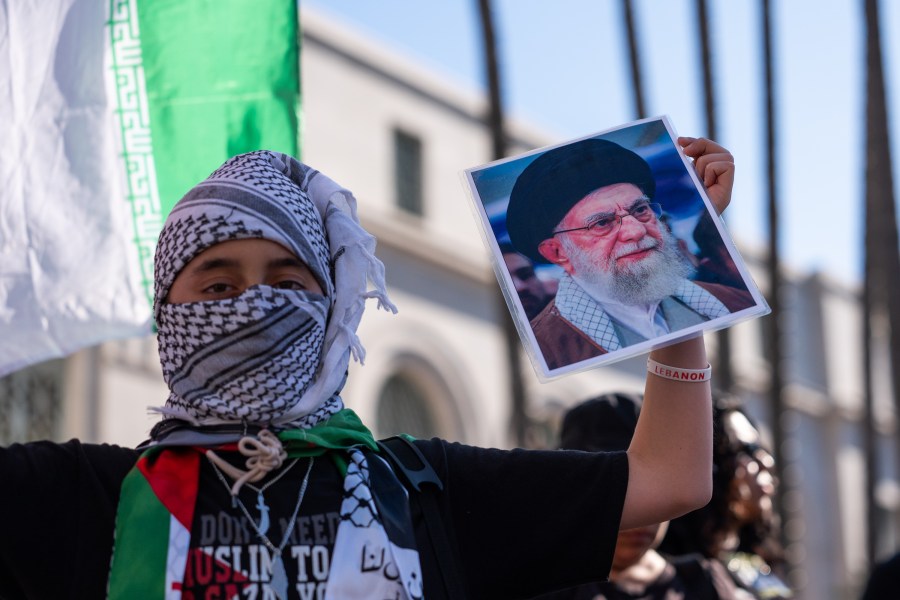
One of the key issues contributing to this illiberal climate is the perceived polarization of student organizations. Many groups find themselves entrenched in ideological battles, often at the expense of constructive dialogue. In a recent forum, university administrators highlighted the importance of creating spaces where differing opinions can be shared without hostility. This approach aims not only to protect free speech but also to cultivate a culture of respect and understanding.
Strategies for Change
Educational institutions are now tasked with developing actionable strategies to counteract the negative effects of illiberalism. Some universities are implementing programs designed to encourage civil discourse among students. These initiatives include workshops on effective communication and conflict resolution, which aim to equip students with the tools necessary to engage in meaningful conversations.
Furthermore, universities are urged to review their policies related to free speech. A report from the Foundation for Individual Rights in Education (FIRE) indicates that only 30% of university policies adequately protect students’ rights to express their opinions. Reforming these policies could play a crucial role in creating an environment where all voices are heard.
Another approach being considered is the inclusion of diverse viewpoints within academic curricula. By exposing students to a broader range of perspectives, colleges can challenge prevailing narratives and foster critical thinking skills. This initiative could help dismantle ideological echo chambers that contribute to illiberalism.
The Role of Faculty and Administration
Faculty and administration also play critical roles in addressing the challenges posed by illiberalism. Educators are encouraged to model open-mindedness and respect for differing viewpoints in their classrooms. By fostering an inclusive environment, they can help students feel safe expressing their thoughts and beliefs.
Moreover, university leaders are being called to engage with student organizations proactively. Establishing regular dialogue between administration and students can bridge gaps and build mutual understanding. As Dr. Emily Johnson, a leading educational researcher, stated, “Institutions must prioritize inclusivity and encourage exploration of diverse ideas to combat the forces of illiberalism.”
As colleges navigate this complex landscape, the focus remains on finding effective solutions to promote unity and free expression. The stakes are high, as the health of democratic values on campuses reflects broader societal trends. Addressing illiberalism in higher education will require collaborative efforts among students, faculty, and administrators.
In conclusion, the challenge of illiberalism on college campuses is a multifaceted issue that demands immediate attention. By implementing strategies that promote dialogue, reforming policies, and fostering inclusive academic environments, higher education institutions can work towards countering this trend. The future of academic freedom and democratic values hinges on the ability of colleges to adapt and innovate in the face of these challenges.
















