









































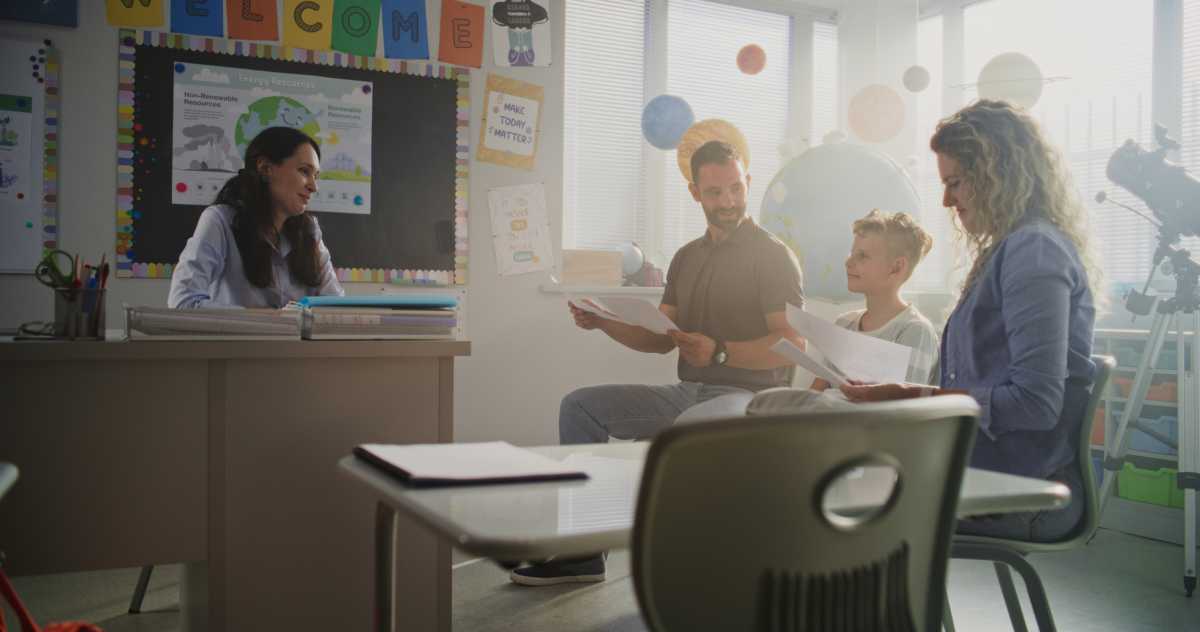
Effective communication between parents and teachers is crucial for a child’s educational success. Establishing a positive rapport early in the school year can set the tone for a collaborative relationship. Parents should approach teachers with respect and openness, ensuring that their interactions are constructive and beneficial.
Many parents may find themselves unsure about how to engage with teachers without coming across as overly demanding or intrusive. For instance, one parent observed a classmate’s mother who frequently approached the teacher at dismissal, raising concerns about homework and classroom management. While the intent may have been to advocate for her child, the ongoing complaints seemed to overwhelm the teacher and likely created a negative impression.
To gain insight into fostering a healthy parent-teacher dynamic, I consulted with Anne Josephson, Psy.D., M.S. Ed., a clinical psychologist and the owner of NYC-based Uptown Psychology. Josephson, who has experience as a special education teacher and school psychologist, shared valuable advice on building effective communication channels.
Establishing a Positive Rapport
According to Josephson, a strong parent-teacher relationship begins with early interactions. Parents should introduce themselves and express genuine interest in the teacher’s approach to education. This initial introduction lays the groundwork for trust, which develops over time.
Josephson emphasized, “Parents can set a positive tone when they assume the teacher is coming from a good place. Trust extends to believing that the school has hired capable, caring educators.” Recognizing that teachers enter the profession out of a genuine desire to support children’s growth is essential in fostering a collaborative atmosphere.
Knowing When to Approach
Timing is critical when approaching teachers. Josephson advises parents to recognize when teachers are available for conversation. While drop-off and pick-up times may seem convenient, these periods are often busy for educators as they manage transitions and ensure student safety. Instead, Josephson recommends briefly informing the teacher during these times that you would like to schedule a more meaningful discussion later.
For example, a parent might say, “I’m going to send you an email to discuss strategies for transitioning to school.” This approach not only respects the teacher’s time but also prepares the groundwork for a more productive conversation. Following up with an email outlining key discussion points and availability can facilitate scheduling a meeting.
When concerns arise, such as issues within the classroom, Josephson encourages parents to address them directly with the teacher first. “Speaking to the teacher allows them to provide context and answer any questions you may have,” she explained. This direct communication fosters an environment of trust and reduces defensiveness.
Josephson’s insights underscore that teachers take their responsibilities seriously and that approaching them with openness typically leads to better outcomes. “During the school year, your child’s teacher is spending more time with them than you. They are, in many ways, an extension of your family for that period of time,” she noted.
Parents should also remember the importance of clear communication. When sharing concerns, it helps to be honest about what is happening at home and to recognize the teacher’s expertise in child development.
Josephson outlines key dos and don’ts for effective communication with teachers:
Do:
– Ask questions instead of making assumptions.
– Communicate trust and respect for teachers as experts.
– Advocate for your child while maintaining respect.
– Recognize teachers as valuable partners in your child’s education.
Don’t:
– Undermine the teacher’s authority in front of your child.
– Assume you know what happened without asking.
– Immediately escalate concerns to higher authorities without first speaking to the teacher.
Through thoughtful communication and mutual respect, parents can build strong, supportive relationships with educators, ultimately benefiting their children. By following these guidelines, parents can avoid being perceived as overly demanding while ensuring that their concerns are addressed in a constructive manner.
















