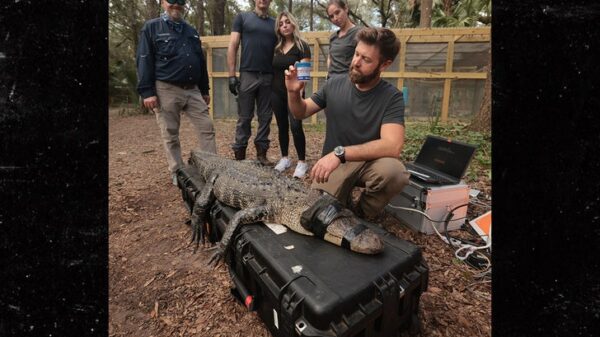



































Arkansas State University (A-State) has been awarded a significant grant of $605,140 from the Institute of Museum and Library Services. This funding is part of the 2025 National Leadership Grants program, aimed at advancing research into the immunology of reptiles. The study will utilize the extensive living animal collections available at various zoos across the United States.
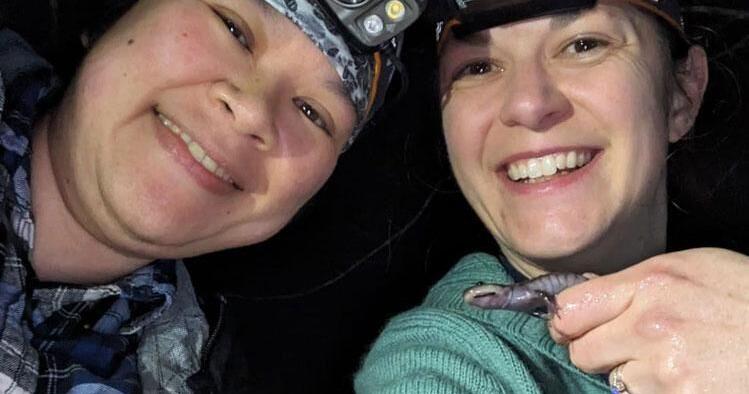
The principal investigator for this project is Dr. Lori Neuman-Lee, an associate professor of physiology in the Department of Biological Sciences at A-State. This research initiative aims to deepen the understanding of reptilian immune systems, potentially leading to better health management practices for these animals in captivity.
Collaborative Research Across Zoos
Dr. Neuman-Lee emphasized the collaborative nature of this research, noting that they are partnering with several zoos nationwide. One notable collaborator is the Memphis Zoo, where Dr. Sinlan Poo serves as the curator of research and is a co-principal investigator for the project. The partnership with these institutions is expected to enhance the research by providing access to a diverse range of reptile species and their habitats.
According to Dr. Neuman-Lee, understanding the immunology of reptiles is crucial, especially for species that are often vulnerable due to environmental changes and habitat loss. By studying the immune responses of these animals in a controlled setting, the research team hopes to uncover insights that can inform conservation efforts and improve the overall health of reptiles in zoological care.
Implications for Conservation and Animal Care
The grant from the Institute of Museum and Library Services not only supports academic research but also highlights the importance of zoos as centers for scientific discovery and conservation. The findings of this study could have far-reaching implications, not only for the management of zoo populations but also for wild reptile populations facing increasing threats from climate change and human encroachment.
This funding represents a significant investment in the future of reptilian research and conservation. As the study progresses, it is anticipated that results will contribute to a broader understanding of reptile health and resilience, ultimately benefiting species conservation efforts globally.