









































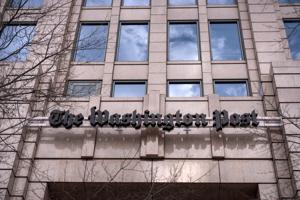
The Washington Post is laying off approximately one-third of its staff across all departments, including those outside the newsroom. This significant reduction was announced during a Zoom meeting held on Wednesday by Matt Murray, the executive editor of the publication. The decision marks a substantial shift in the organization’s operational strategy as it faces ongoing financial challenges.
During the meeting, Murray provided details about the layoffs, emphasizing the necessity of the cuts to ensure the newspaper’s sustainability in a rapidly changing media landscape. The executive editor noted that the decision was tough but essential for the future of the publication. It reflects broader trends in the industry, which have seen many traditional media outlets struggling to adapt to digital transformation and shifting readership habits.
The layoffs will impact various departments, indicating that the changes are not limited to editorial staff. Such widespread cuts suggest an urgent need for the organization to streamline operations in an effort to reduce costs.
As the media landscape continues to evolve, many newspapers are grappling with declining advertising revenues and subscription numbers. The Washington Post has previously reported on these challenges, and the latest announcement underscores the urgency for re-evaluation of business strategies within the organization.
While specific numbers regarding the total workforce affected by the layoffs have not been disclosed, the decision to cut one-third of staff signifies a major downsizing effort. This could lead to significant changes in the newspaper’s coverage and operational capacity moving forward.
The announcement has sparked concern among employees and industry observers regarding the future of journalism at the publication. With fewer staff members, questions arise about the ability to maintain comprehensive reporting and in-depth analysis, which readers have come to expect.
In light of these developments, it remains crucial for the Washington Post to not only navigate its internal restructuring but also to address the evolving needs of its audience. The effectiveness of these changes will likely be closely monitored by both industry analysts and loyal readers in the coming months.
















