


































President Donald Trump announced new agreements with major drug manufacturers to reduce prescription drug costs for Americans. These deals, unveiled on January 5, 2024, include significant commitments to domestic manufacturing and research, alongside participation in the administration’s most-favored-nation pricing initiative.
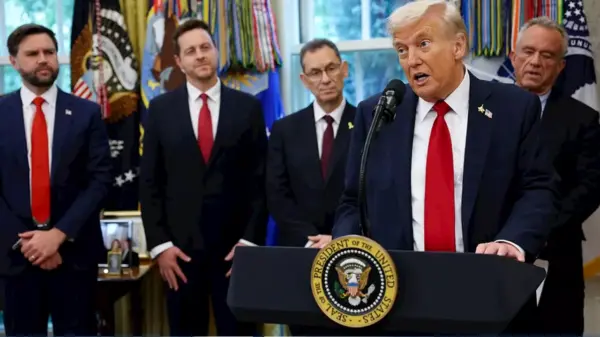
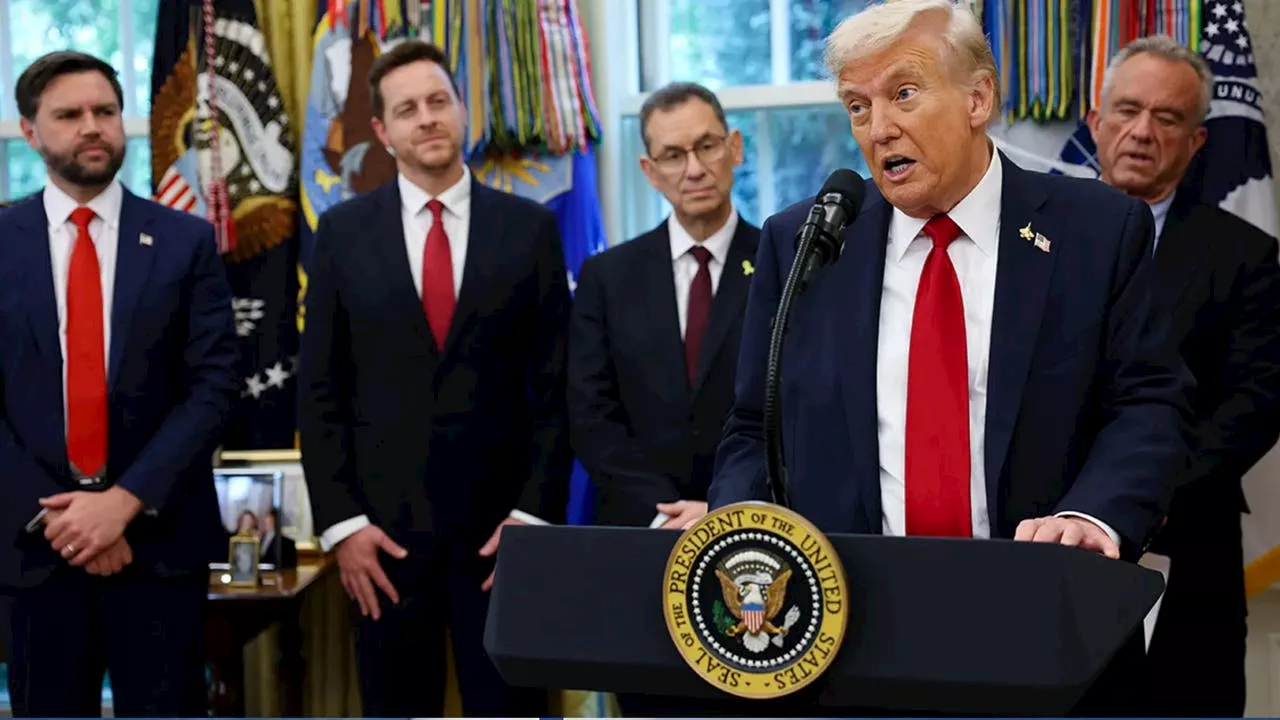
In a speech from the Roosevelt Room, Trump emphasized the addition of nine pharmaceutical companies to the pricing initiative, raising the total to fourteen out of the seventeen largest global drug manufacturers. This expansion marks a notable step forward in ongoing negotiations aimed at making medications more affordable for U.S. citizens.
The agreements involve a collective investment of $150 billion directed at enhancing domestic production and advancing research and development within the pharmaceutical industry. Participating companies include prominent names such as Amgen, Boehringer Ingelheim, Bristol-Myers Squibb, Genentech, Gilead, GSK, Merck, Novartis, and Sanofi. This collaboration reflects a successful negotiation process aimed at aligning drug prices with those in other high-income countries.
The core objective of these negotiations, initiated in July 2023, was to ensure that drug prices for individuals enrolled in the government’s Medicaid program are comparable to those in other affluent nations. The administration’s focus remains on making healthcare accessible, regardless of socioeconomic status. The inclusion of additional manufacturers signals growing momentum behind this initiative, with the potential to significantly impact prescription drug costs across the country.
Beyond pricing adjustments, the agreements also stipulate provisions for the donation of active pharmaceutical ingredients to the Strategic Active Pharmaceutical Ingredients Reserve (SAPIR). This reserve is intended to bolster the nation’s preparedness for public health emergencies, including pandemics and natural disasters. Several manufacturers that previously entered into agreements with the Trump administration, including Pfizer and AstraZeneca, have also committed to these terms, underscoring the importance of public-private partnerships in tackling complex healthcare issues.
The administration plans to launch a dedicated website, TrumpRX.gov, in early 2024 to provide further details about these initiatives. The focus on lowering drug costs has been a central theme of Trump’s healthcare policy, highlighting efforts to align U.S. medication prices with those of other countries.
As the administration moves forward with these agreements, it aims to create a more accessible and affordable healthcare system for all Americans. The ongoing efforts reflect a broader commitment to addressing the high costs of medications and improving overall public health outcomes in the United States.