










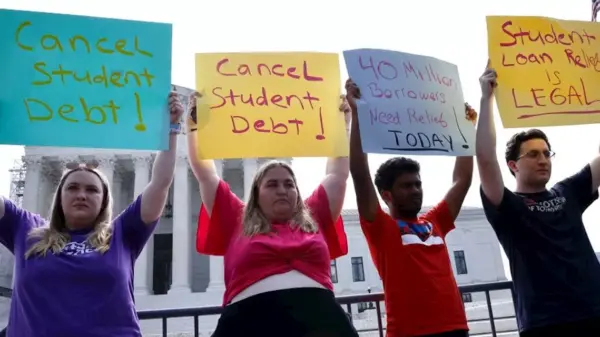























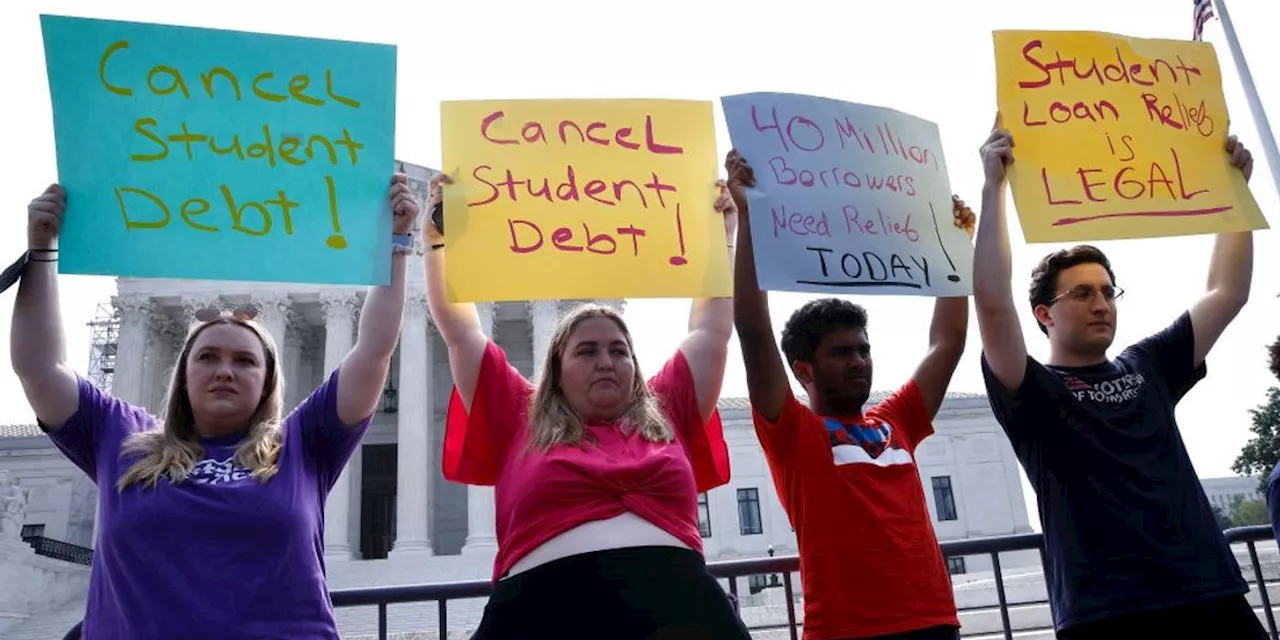
The Supreme Court has invalidated the Biden administration’s student debt cancellation program, which aimed to provide relief of up to $20,000 to millions of borrowers. This decision leaves the ongoing $2 trillion student loan crisis unresolved, affecting approximately 43 million Americans and their families. With interest and loan payments set to resume on September 1 and October 1 respectively, many borrowers are facing renewed financial pressures after a three-and-a-half-year pause due to the pandemic.
In its ruling, the court stated that the Secretary’s power under the Higher Education Relief Opportunities for Students Act does not extend to implementing fundamental changes to the loan program as designed by Congress. This decision effectively restricts the Biden administration from addressing previous policy missteps, perpetuating what critics describe as inadequate educational policy for years to come.
Dr. Alí R. Bustamante, deputy director of the Roosevelt Institute’s Worker Power and Economic Security program, criticized the ruling, asserting it exacerbates existing economic disparities. He emphasized that the burdens of student debt stem from past administrative failures, leading to a situation where millions of Americans are trapped in debt that could have been alleviated.
Before the pause, student loan payments consumed an average of $393 from borrowers’ budgets each month. This significant financial drain reduced household disposable income, complicating the ability of families to save or invest in their futures. The pandemic-related pause allowed borrowers to maintain their income during a critical time, contributing to broader economic stability.
As the burden of student loan servicing returns, many fear the long-term consequences on financial health among borrowers. Without further intervention, the number of student loan borrowers is expected to rise by nearly one million annually. This trend highlights the urgent need for policymakers to revisit student debt cancellation initiatives and to consider implementing a free public college option.
Advocates argue that access to a free college education should be a right, enabling individuals to pursue better life opportunities without the shackles of debt. As the nation grapples with the fallout from this Supreme Court ruling, discussions about equitable solutions for students and families are more critical than ever.